Loading editorial discovery…
Artist
Francisco Goya
Spanish painter and printmaker who bridged the Old Masters and the modern age, documenting war, superstition, and human cruelty with unsparing psychological force.
132 titles across 149 works in the NGA collection
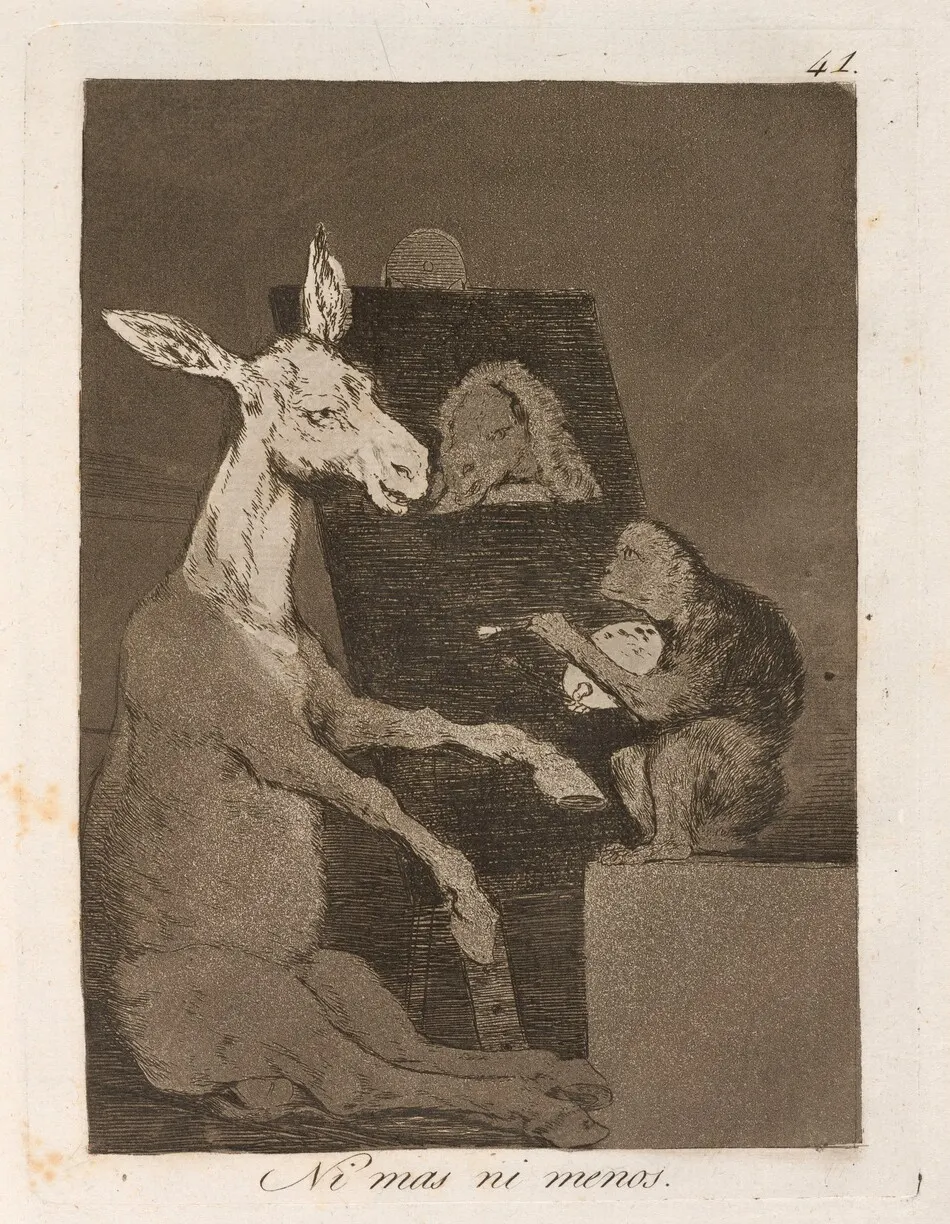
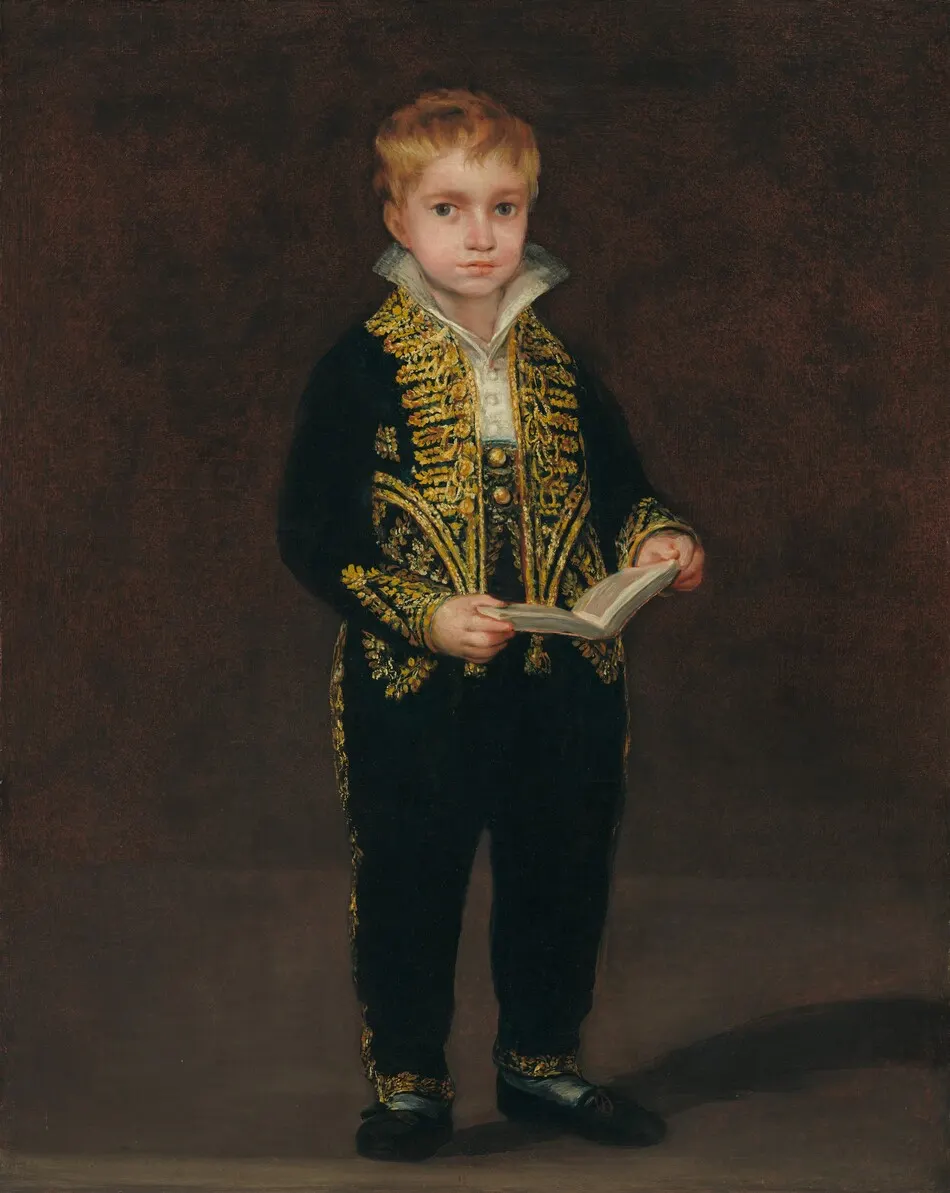
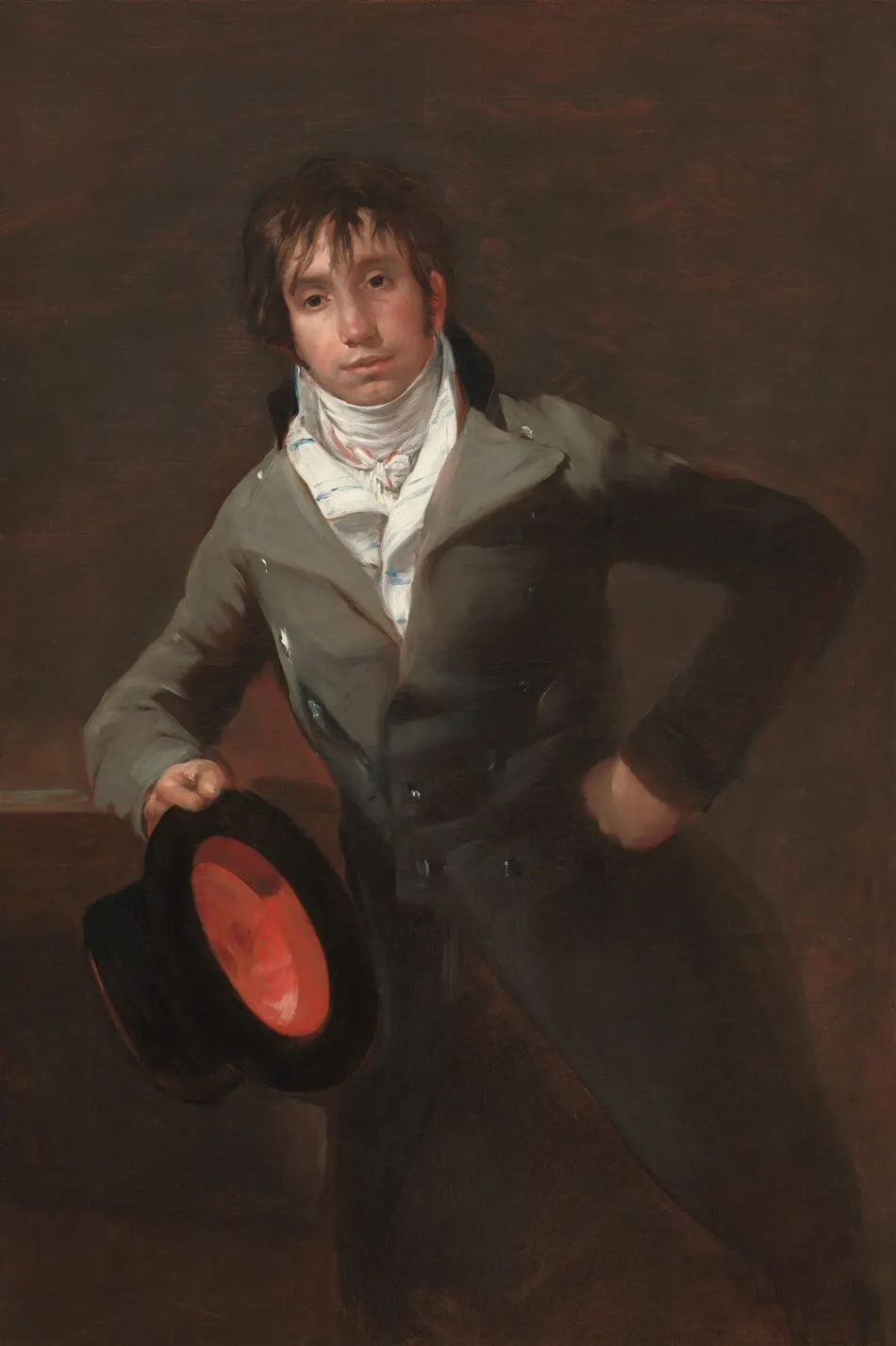
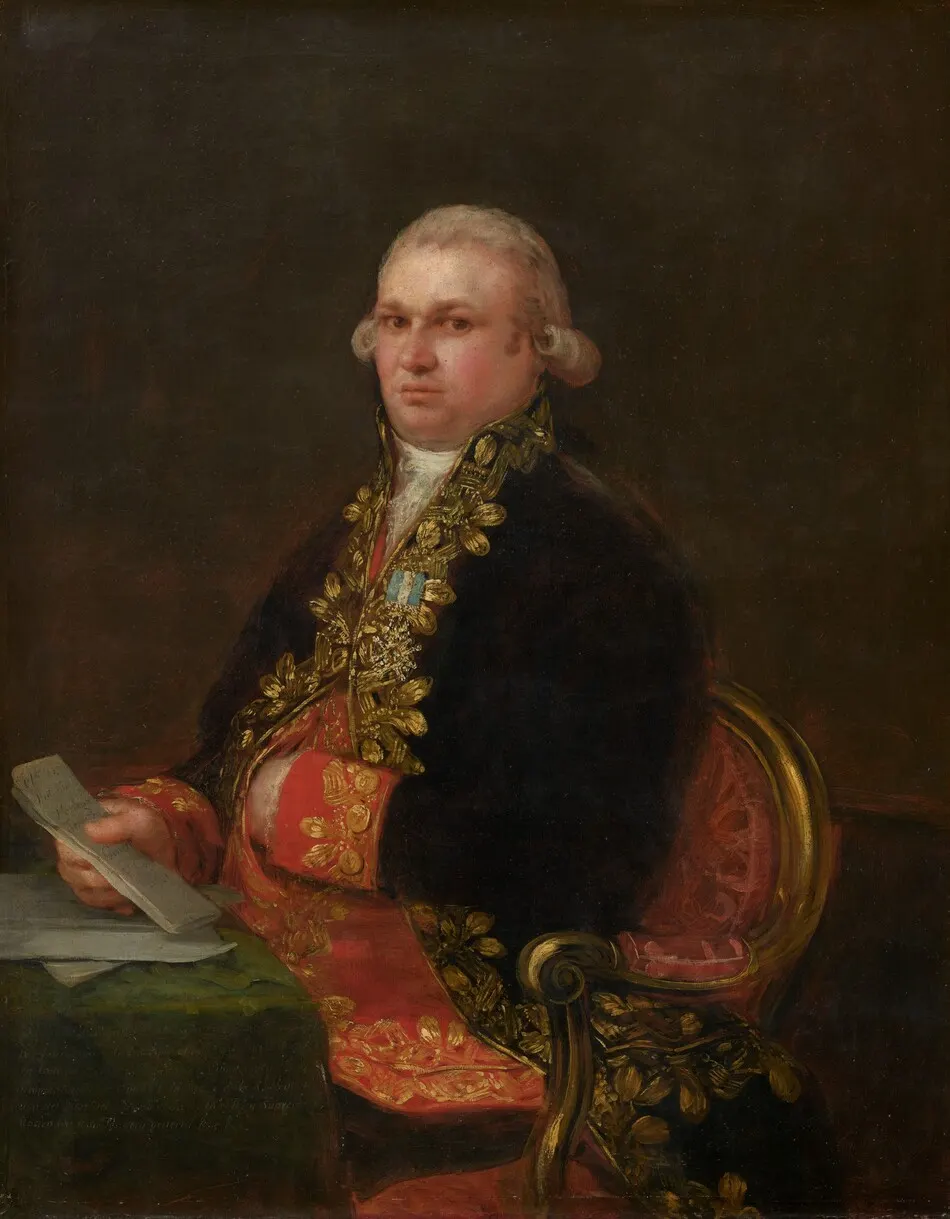
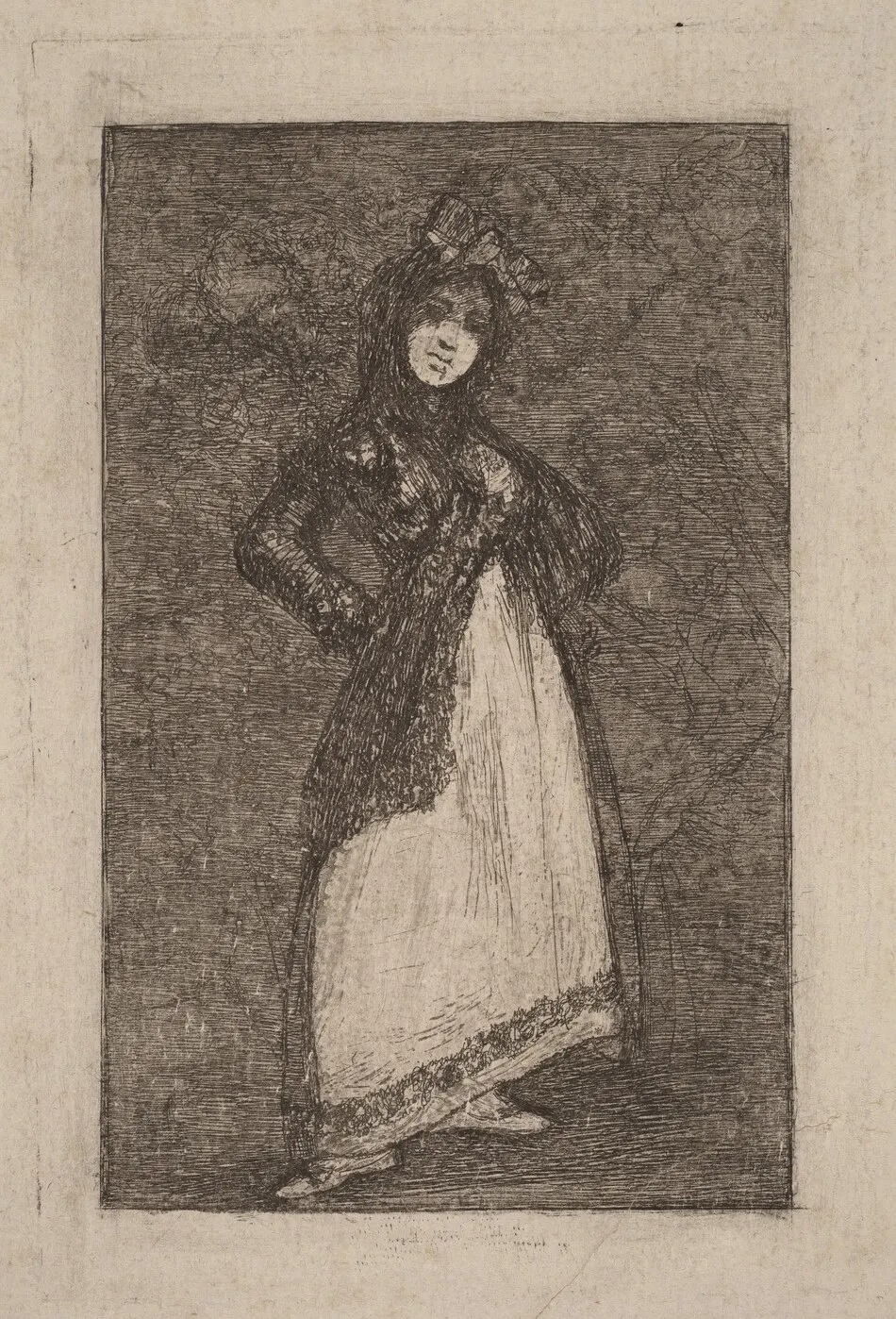
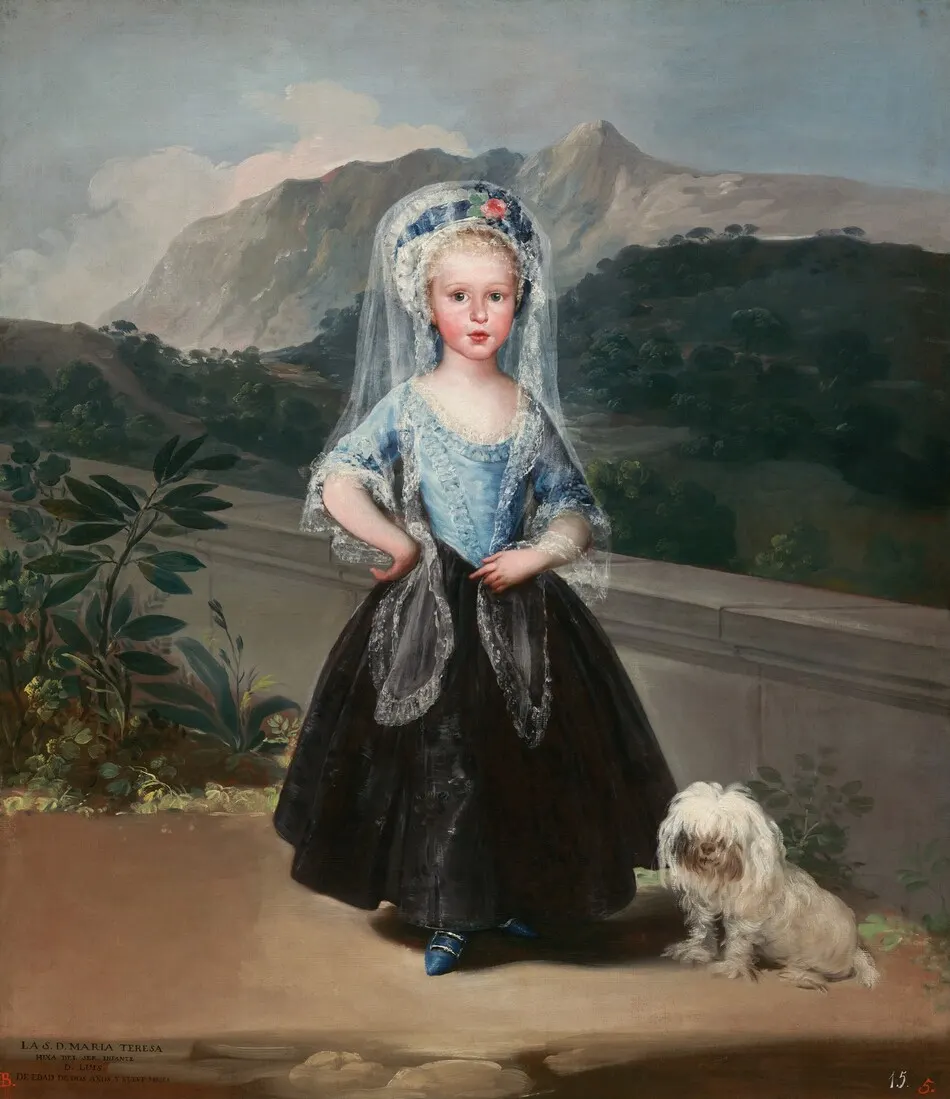
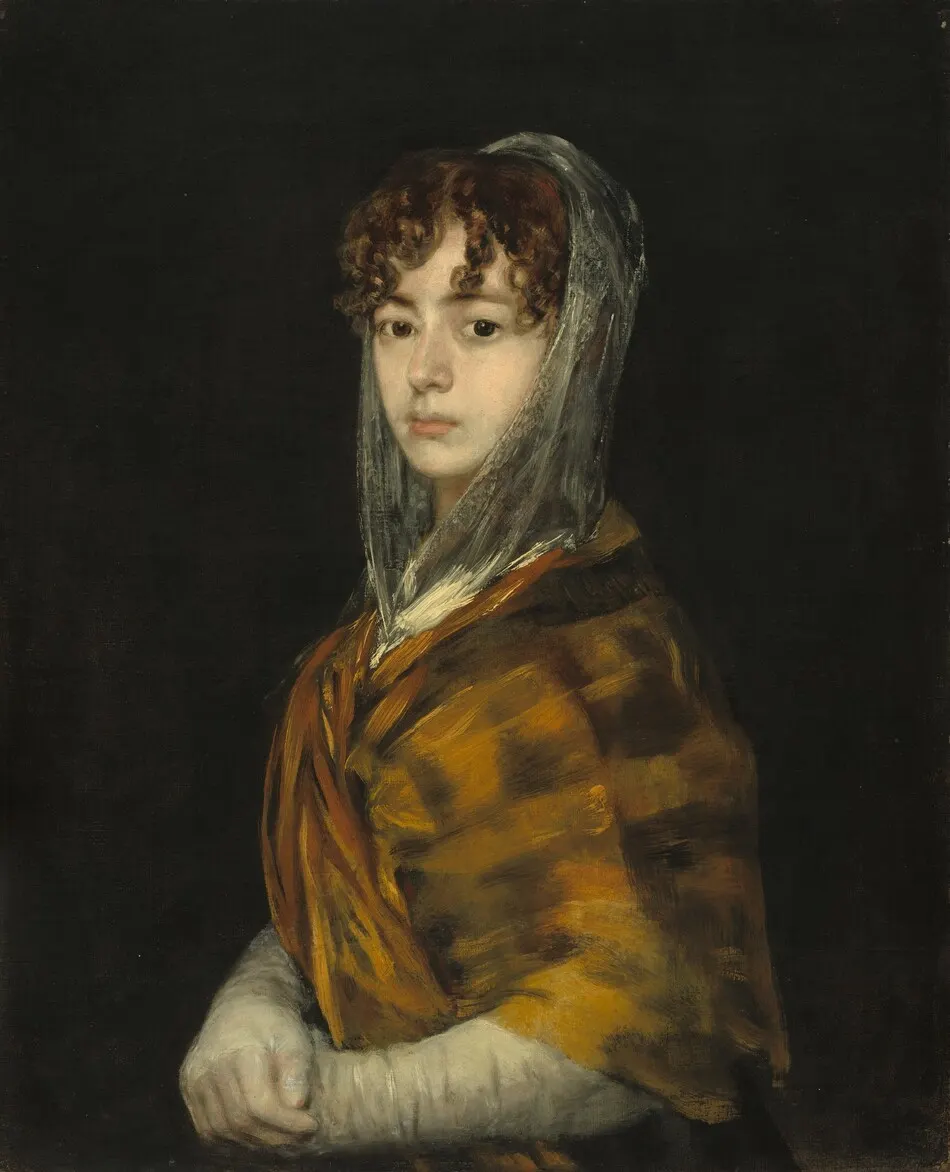
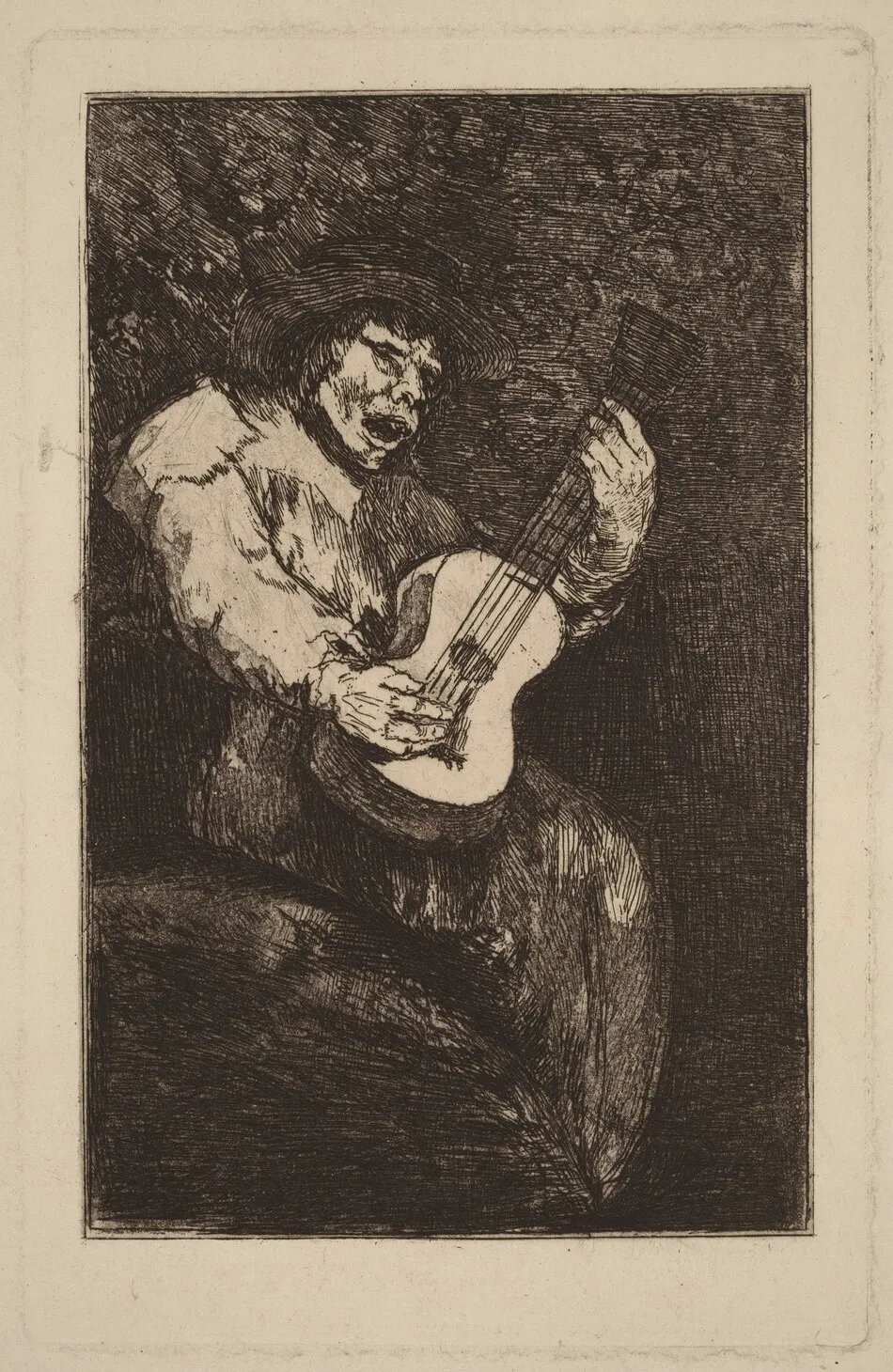
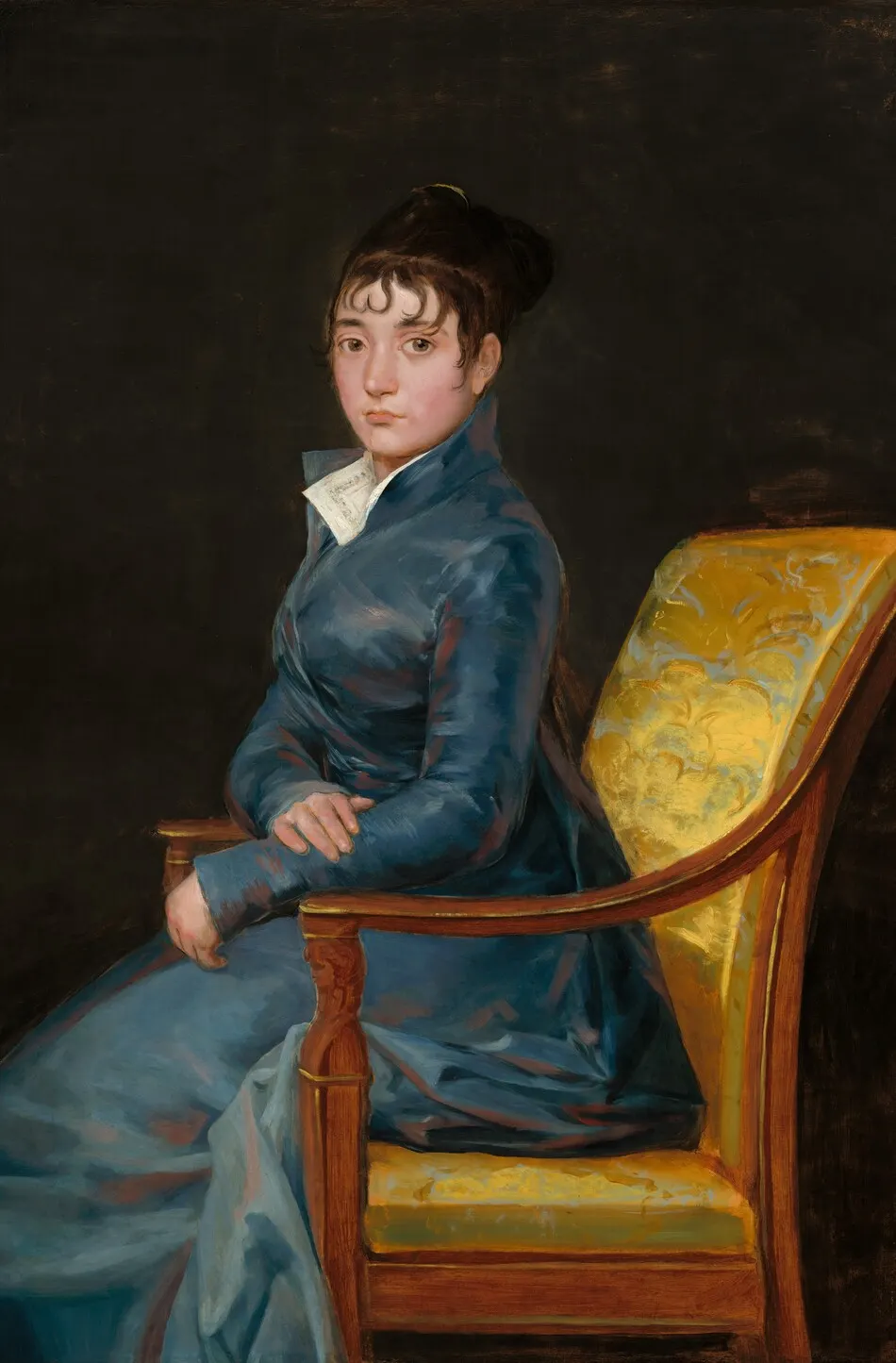
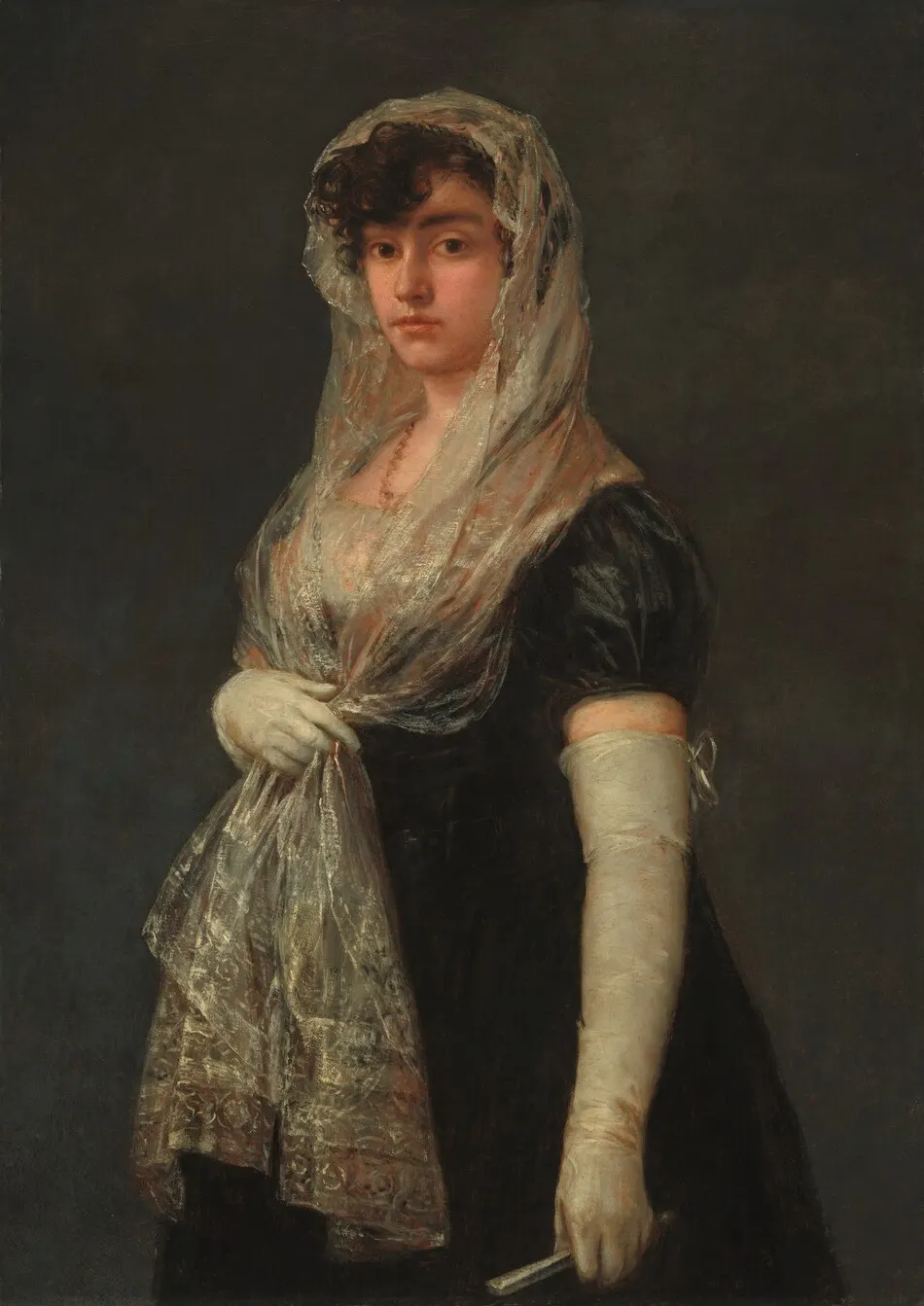
Search Francisco Goya worksFrancisco Goya (1746–1828) held the most establishment job in Spanish art, First Court Painter to Charles IV, while privately producing some of the most subversive images ever printed. The two careers barely acknowledge each other. The portraits are silk, medals, and steady official light. The prints are witches, mutilation, donkeys in scholars' robes, and a firing squad at night.
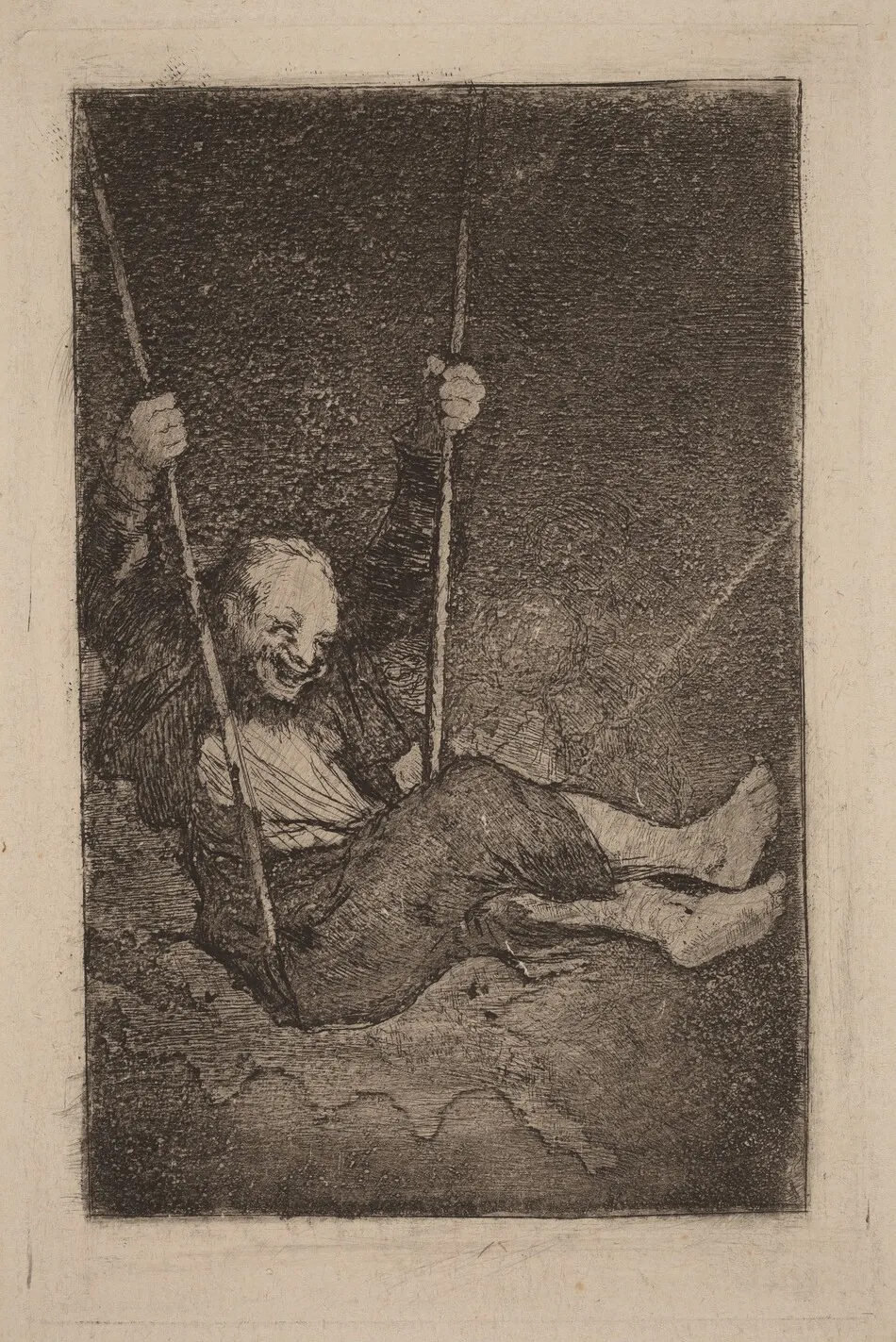
Printmaking is why the second career survived. An etching could be worked in private, editioned, and circulated without a patron's approval, and three of his four great series were withheld from publication in his lifetime because their content was unpublishable in the Spain of the Inquisition and the Peninsular War. The Desastres de la Guerra waited until 1863, thirty-five years after his death.
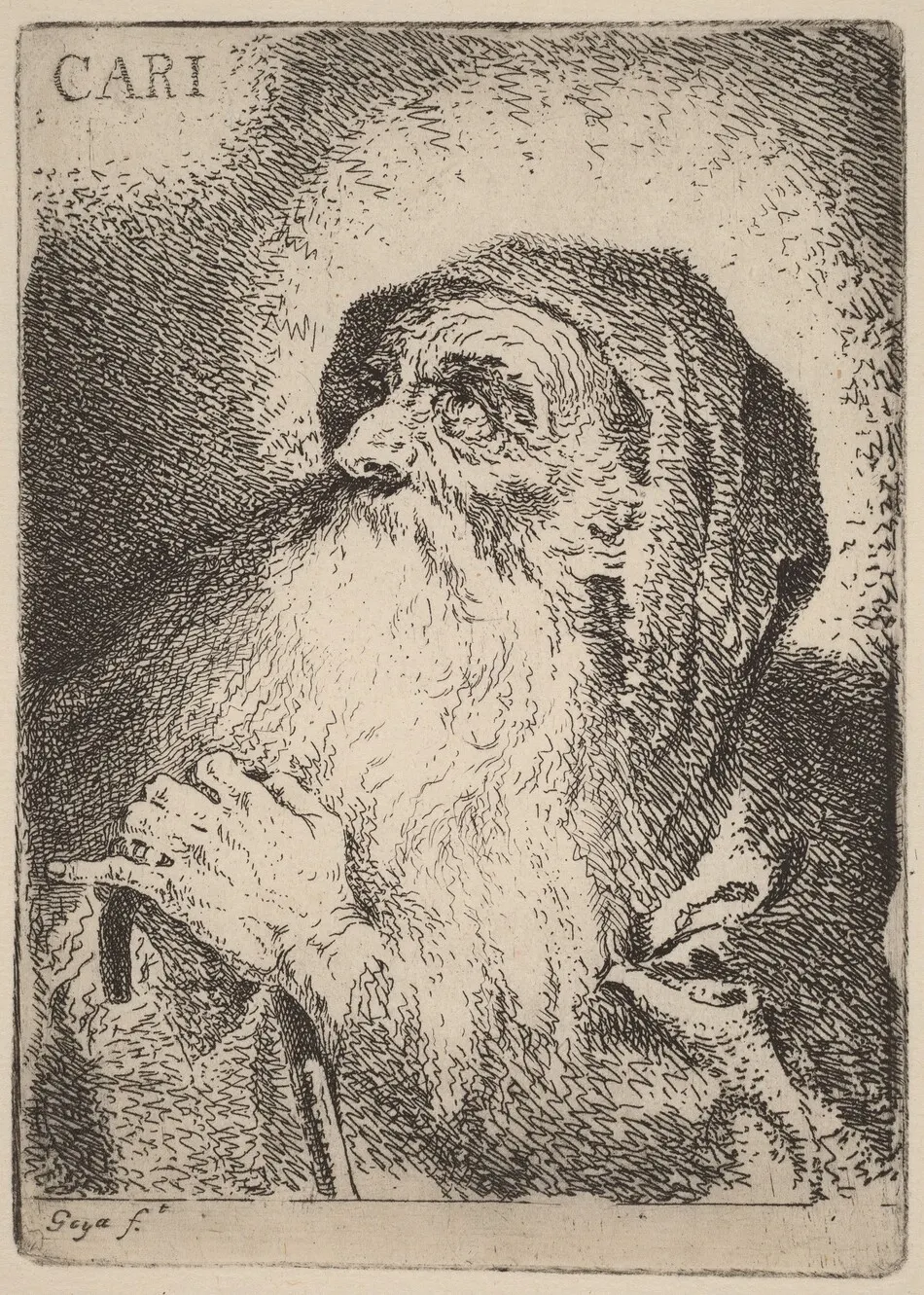
The National Gallery of Art holds 149 Goya works, and the balance is heavily toward those prints. Because he numbered and titled the plates in Spanish, and museums catalogue them under those Spanish titles, they are unusually hard to search for unless you already know the phrase. The sections below group them back into the series they were made as.
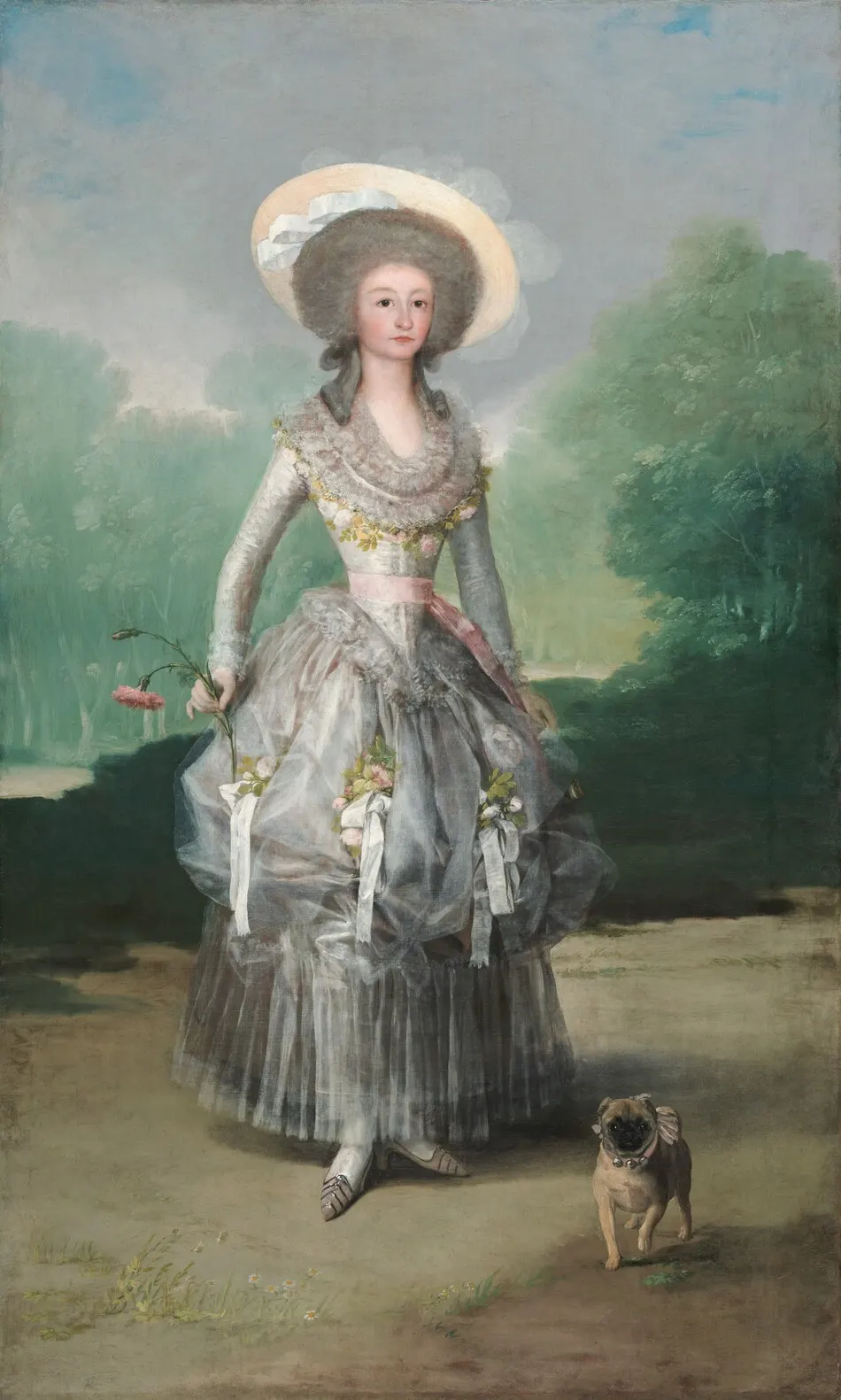
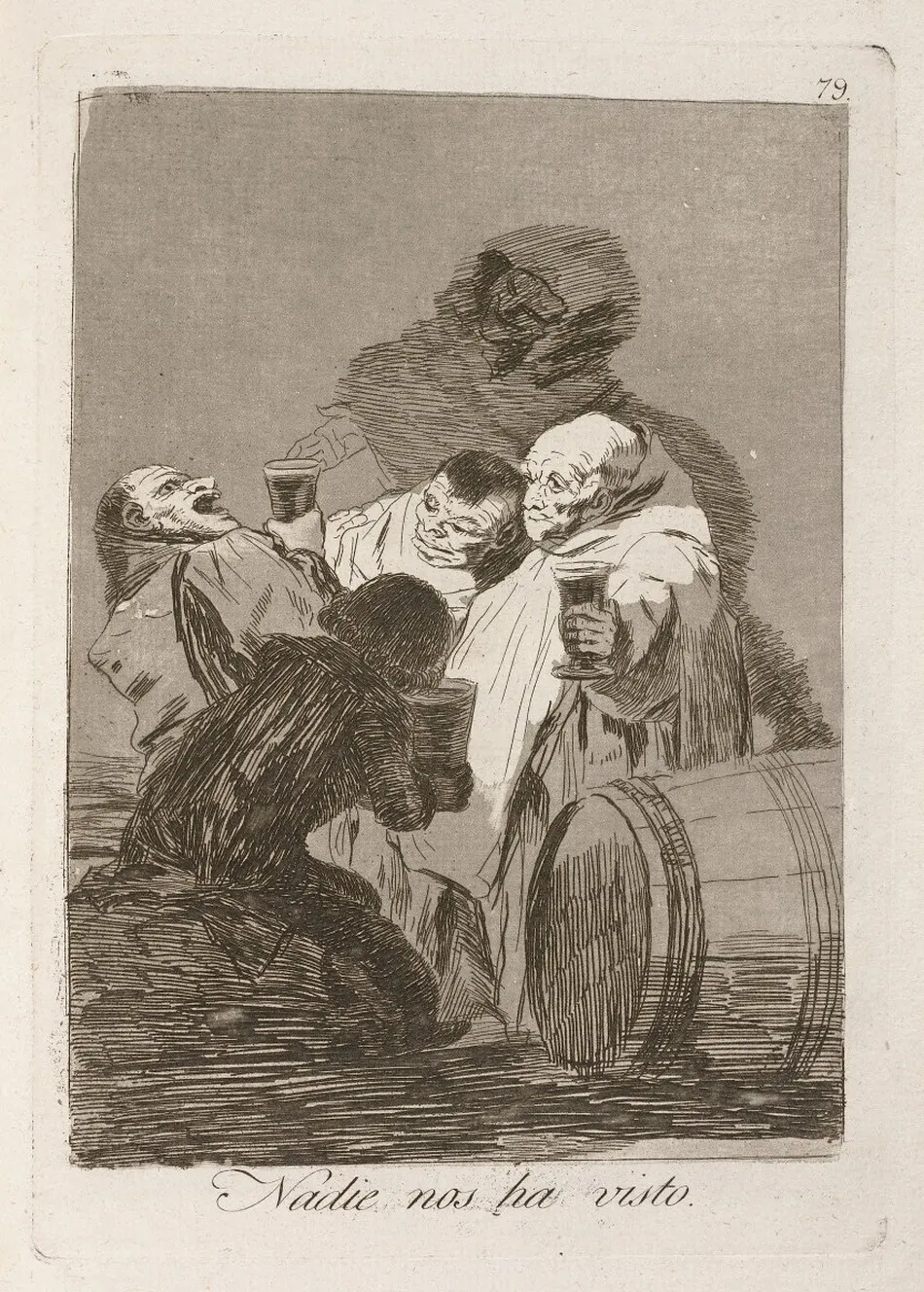
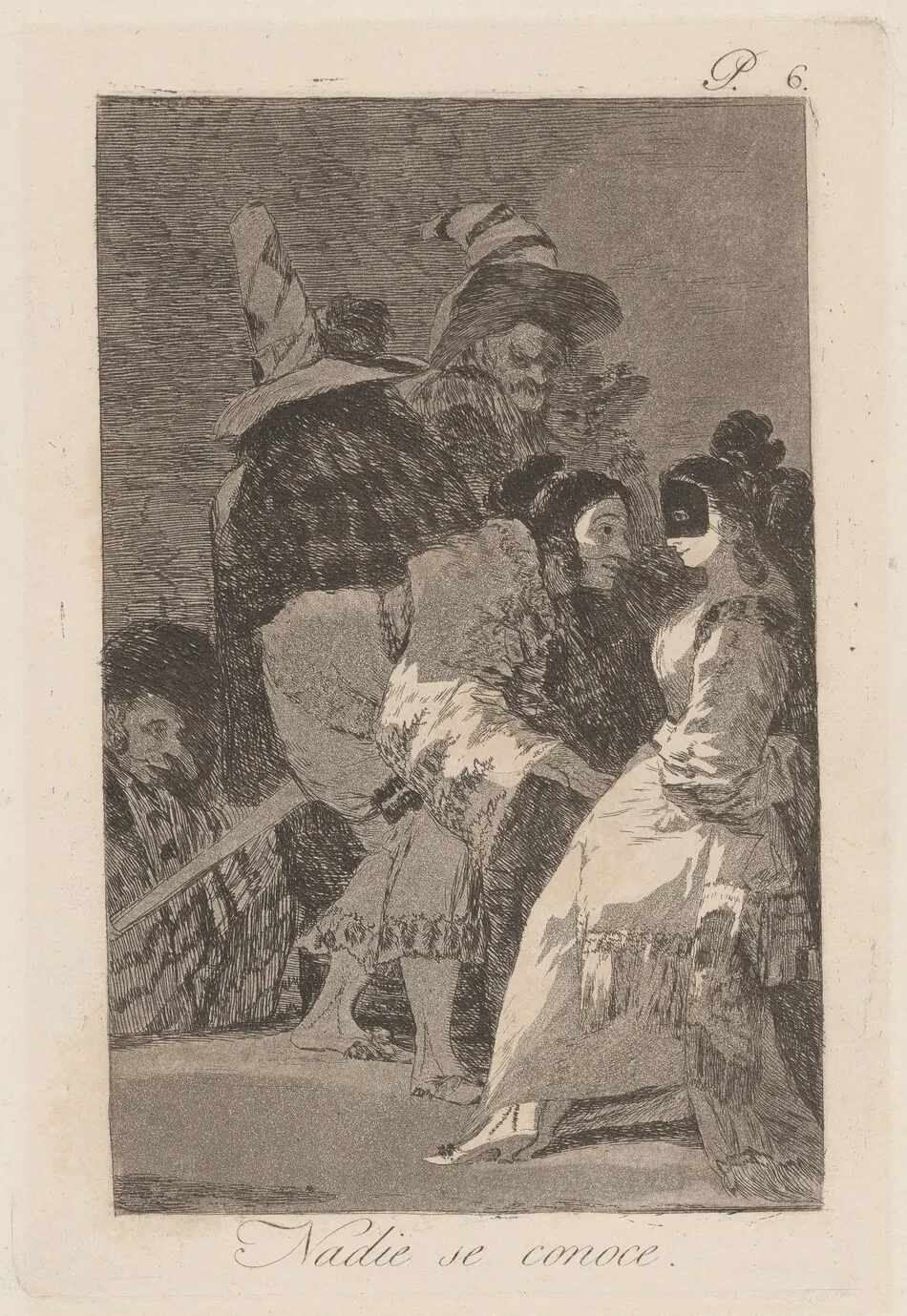
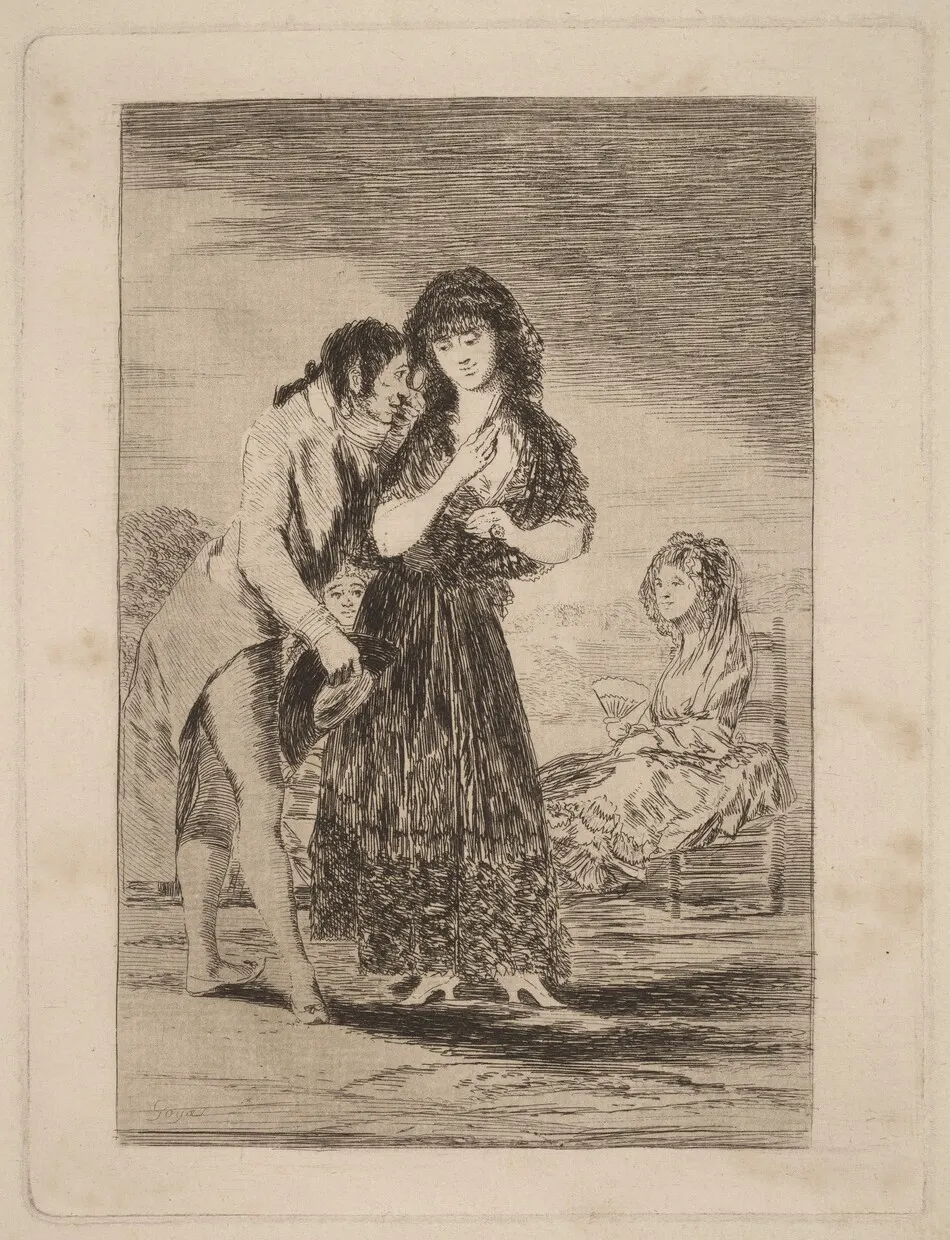
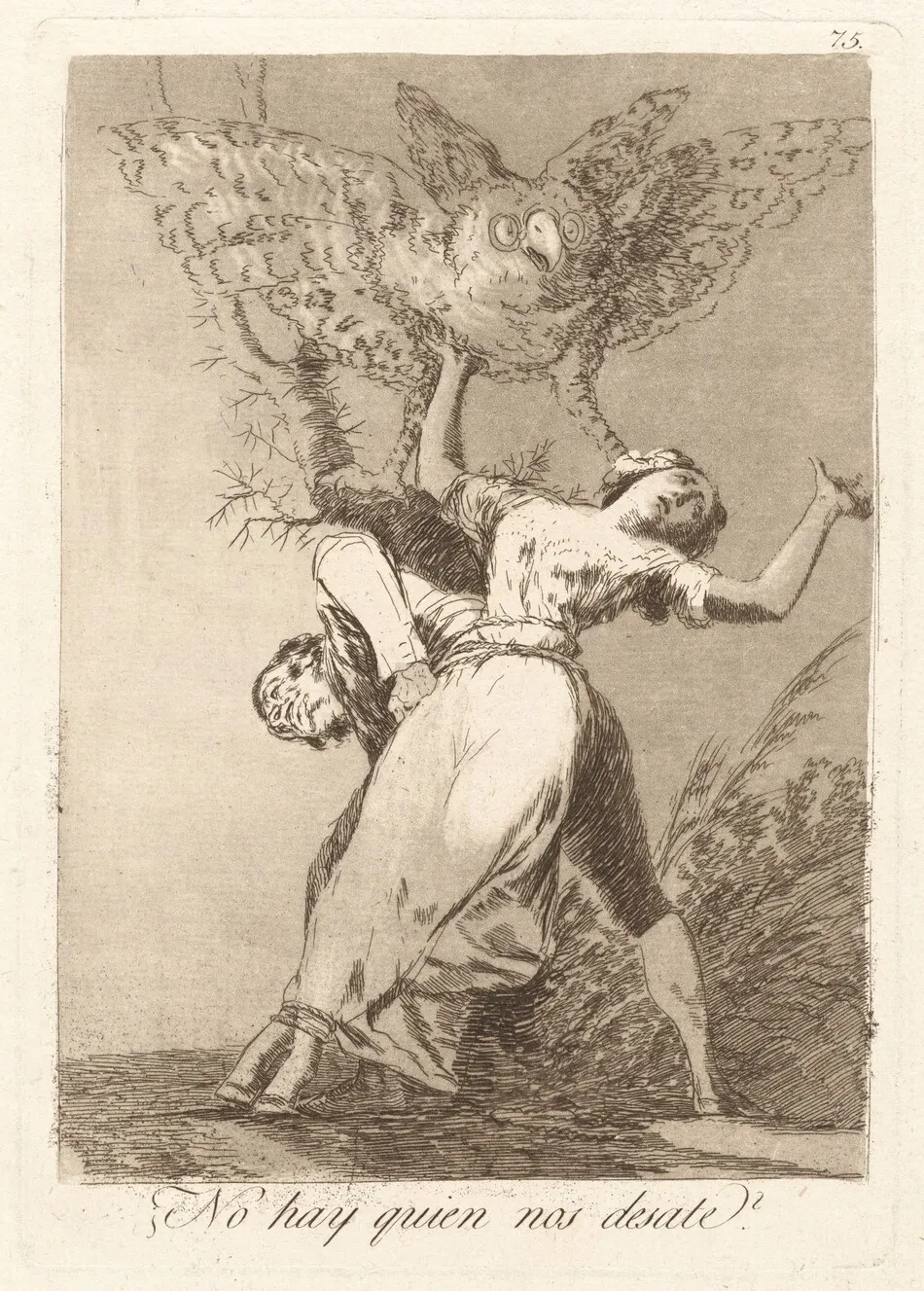
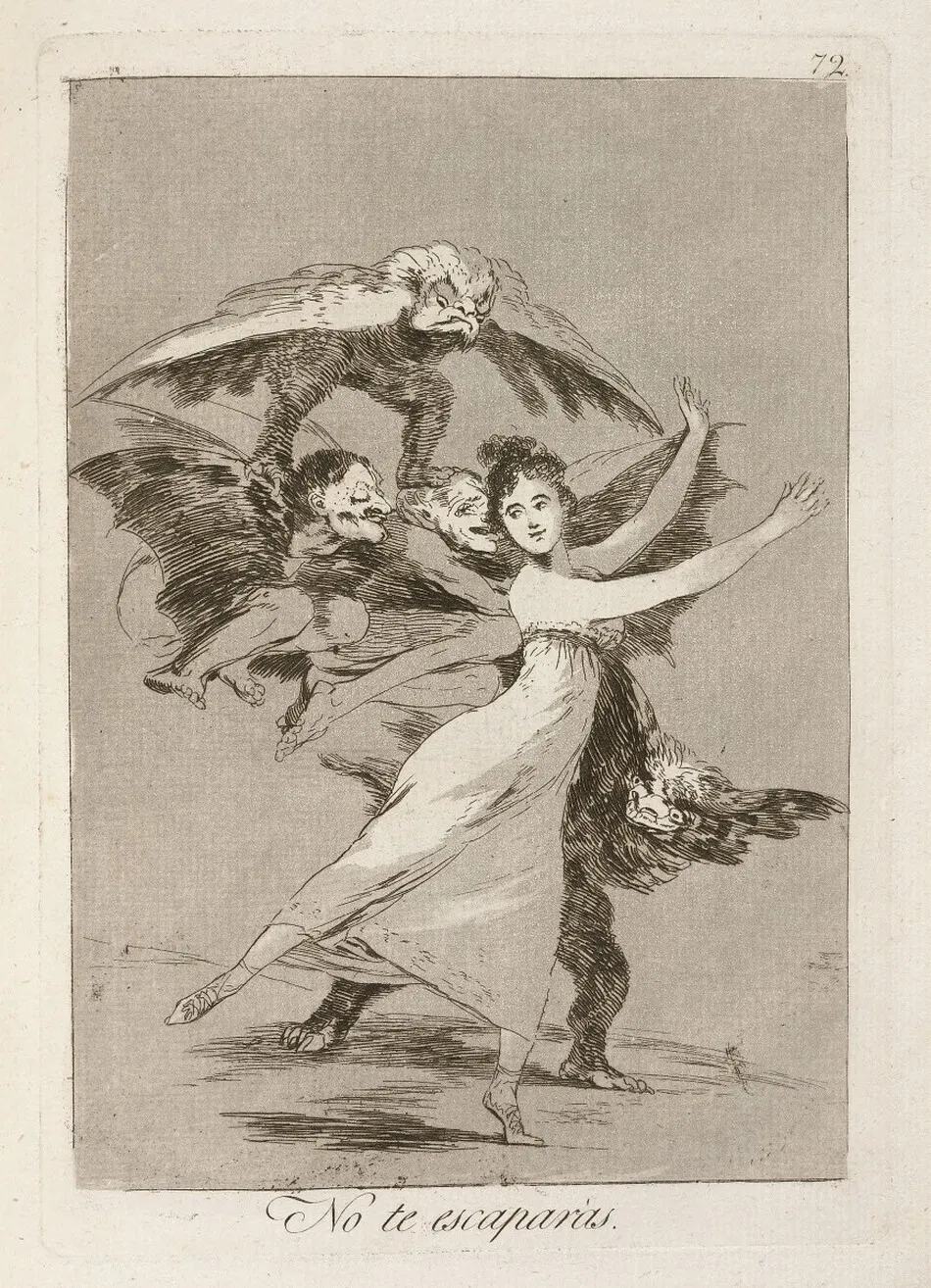
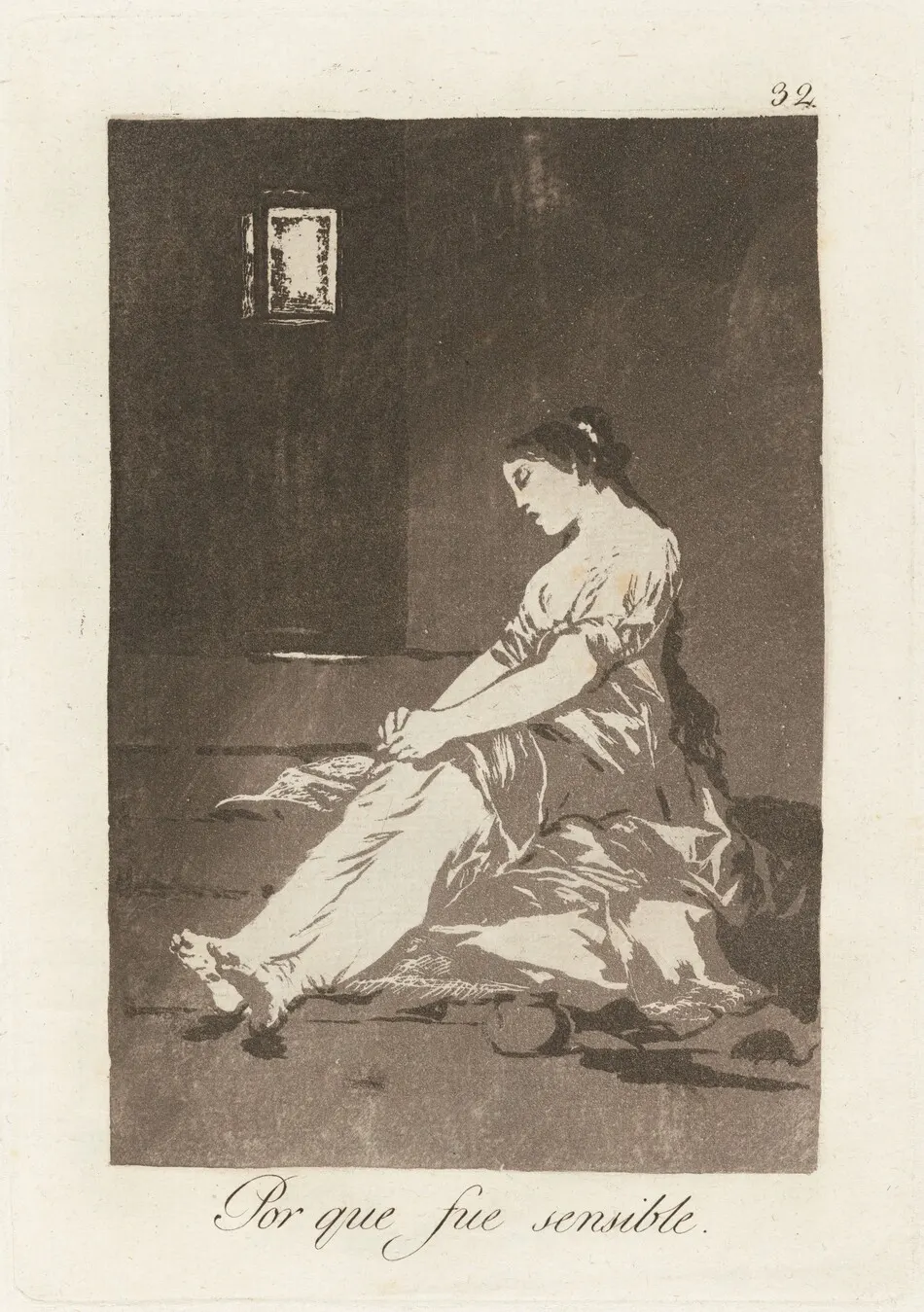
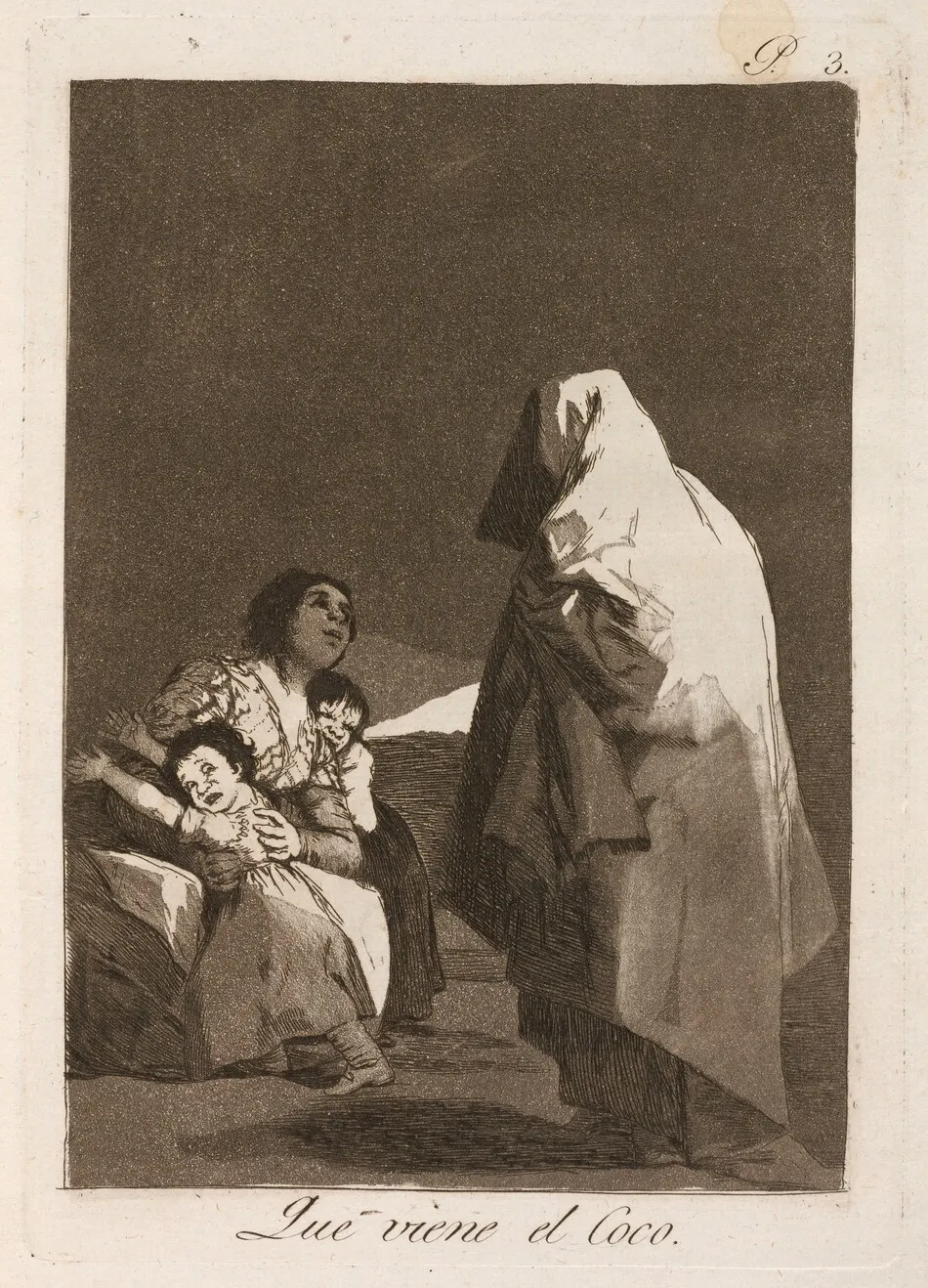
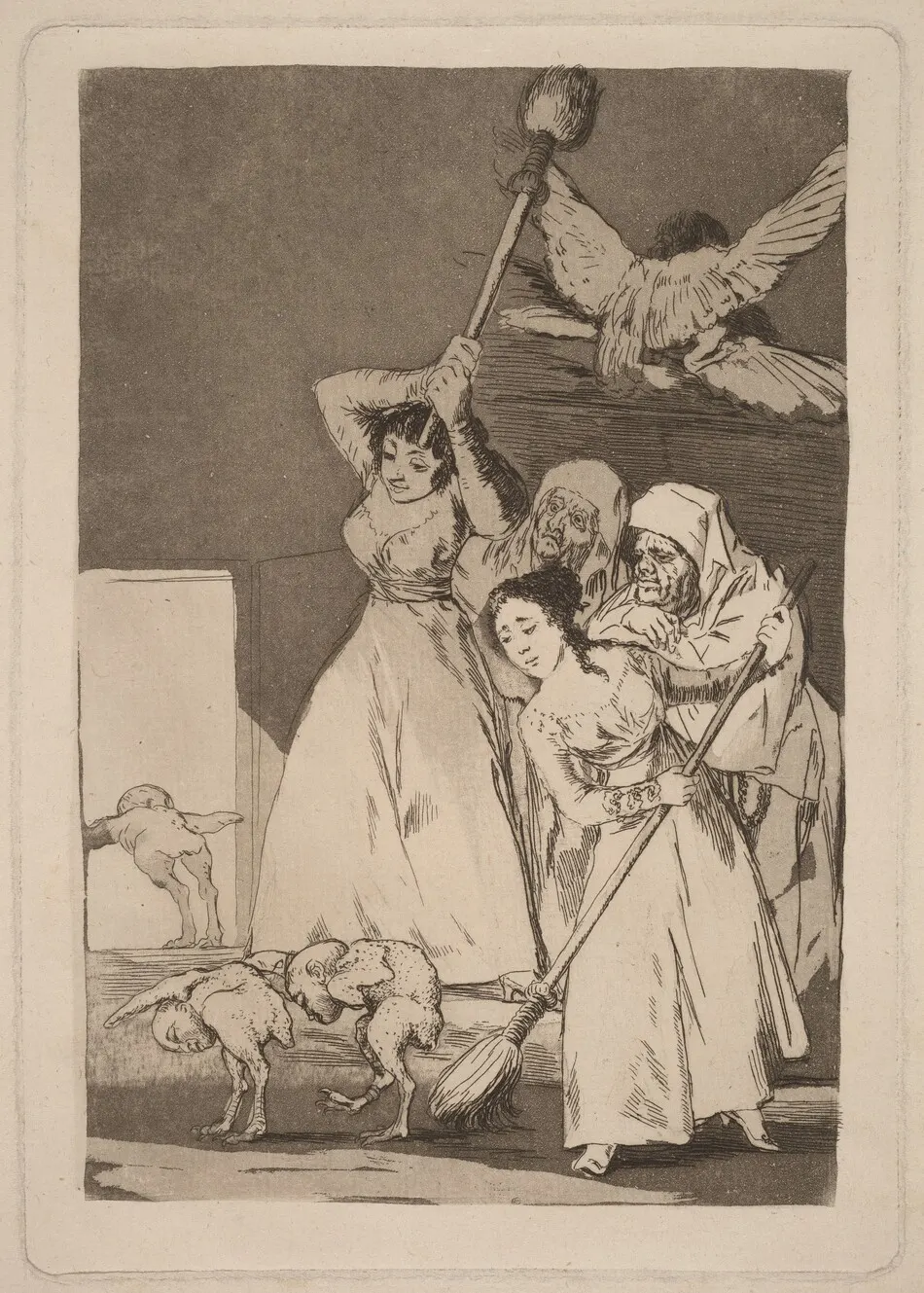
Los Caprichos (1799)
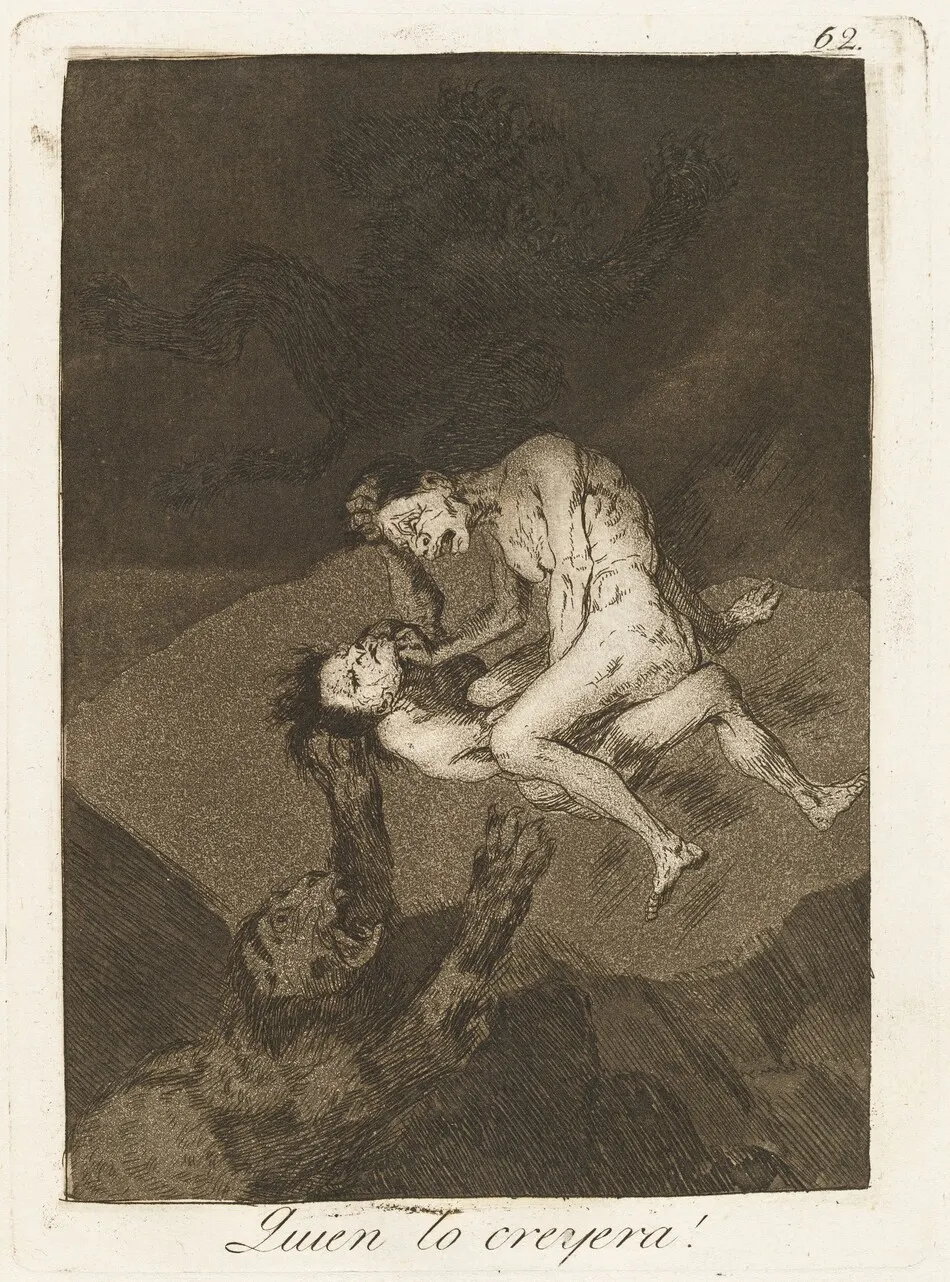
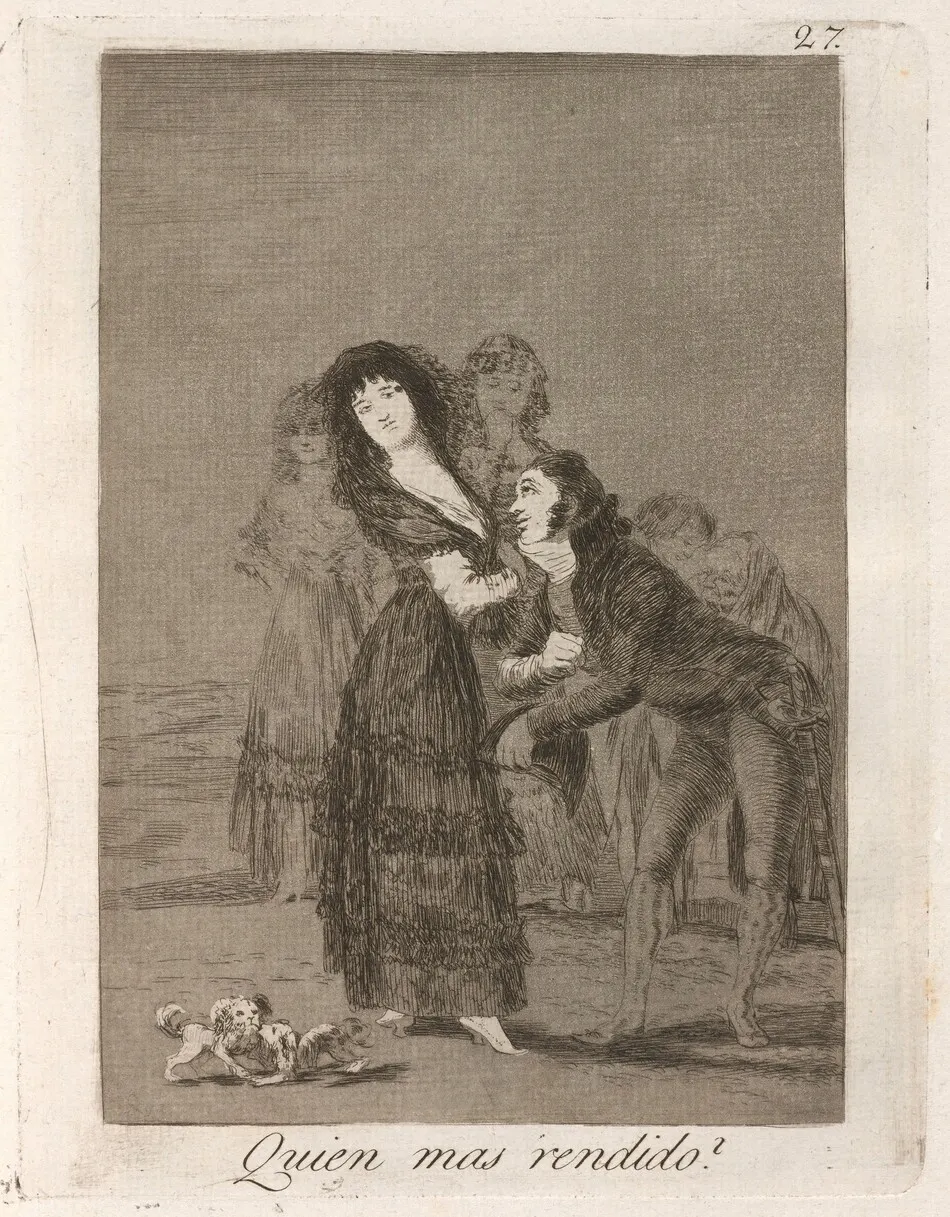
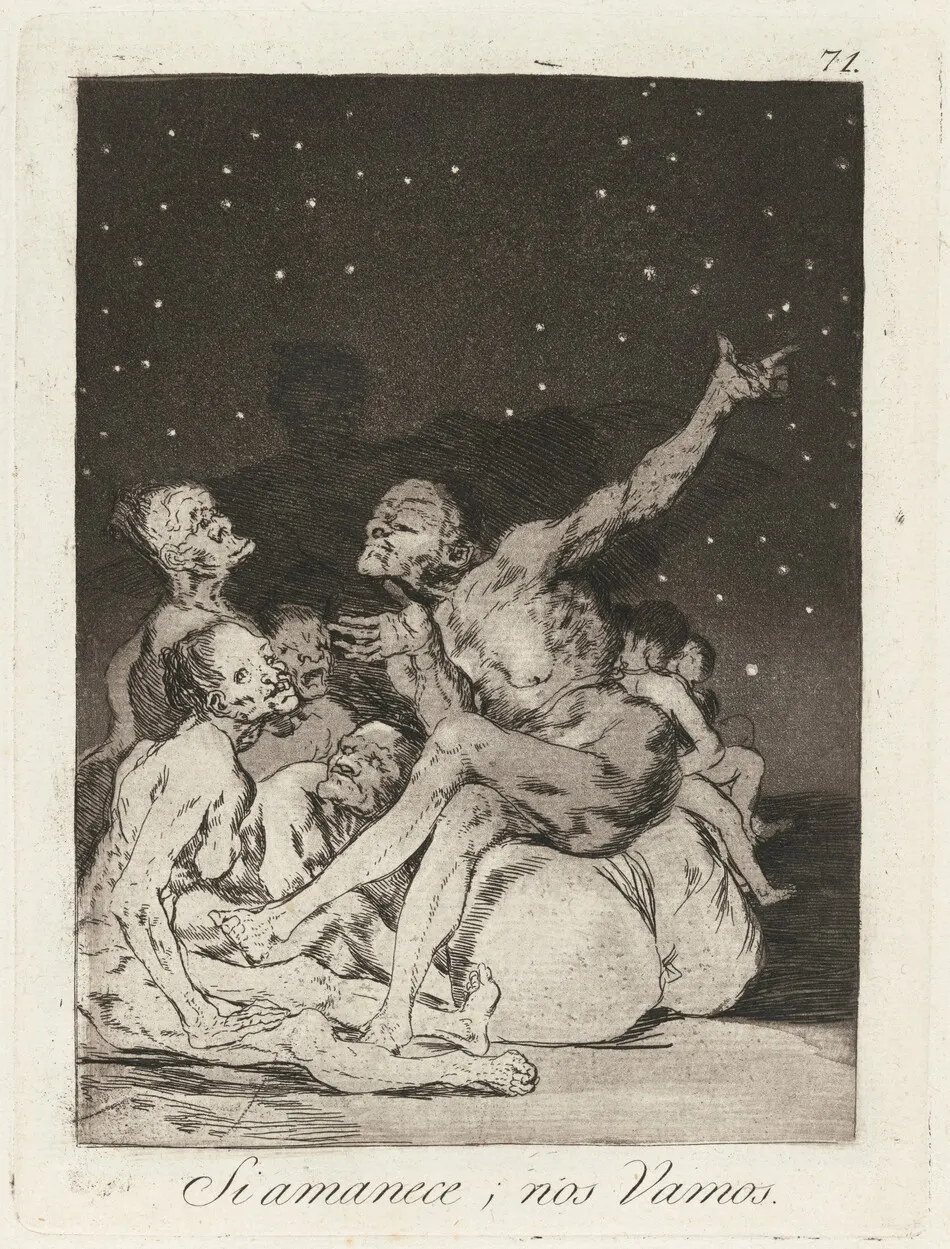
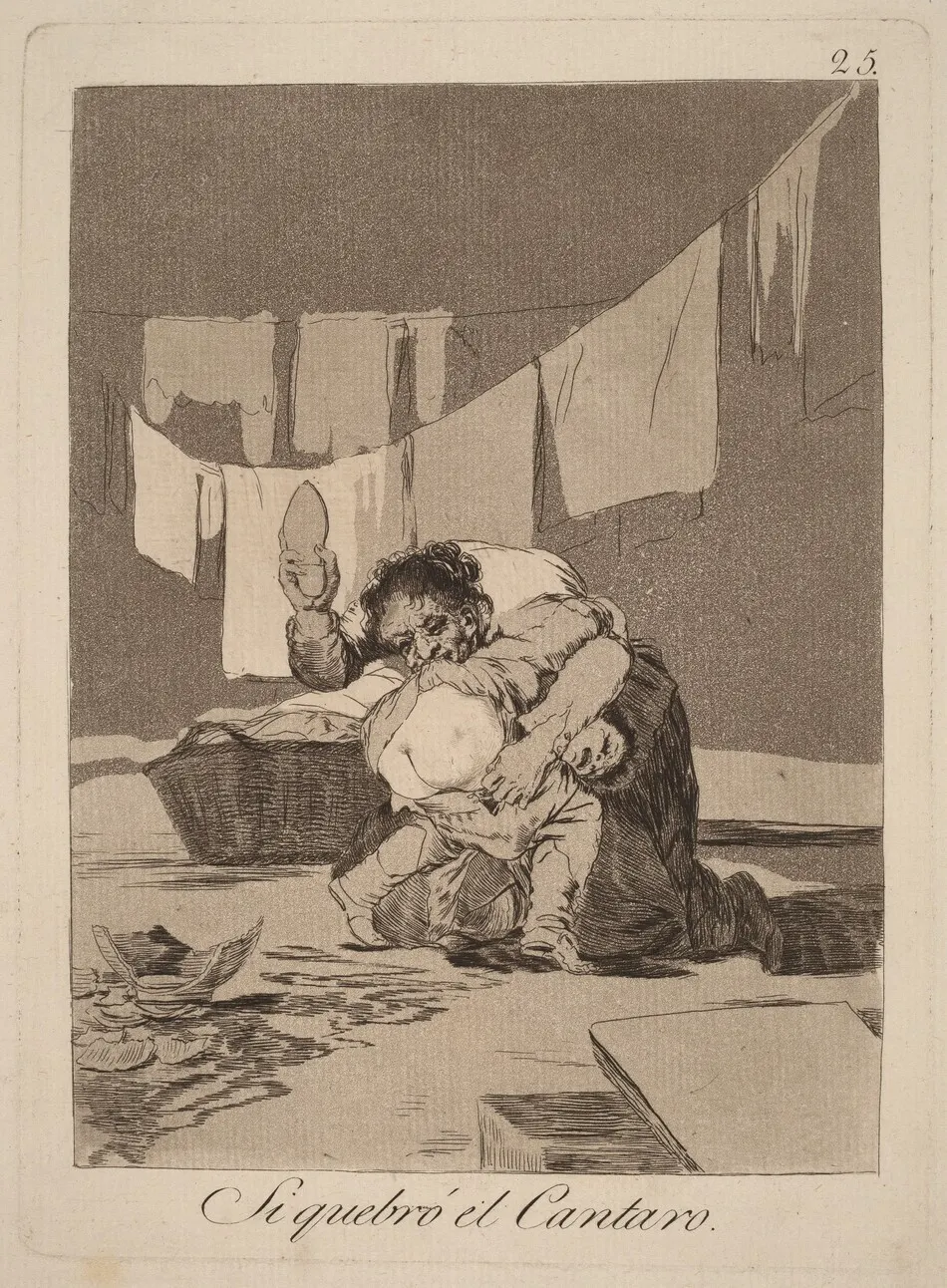
28 worksEighty plates satirising superstition, arranged marriages, clerical greed, and the credulity Goya saw around him. He advertised them in a Madrid perfume shop and withdrew them from sale within days, reportedly under threat from the Inquisition. Plate 43, El sueño de la razon produce monstruos, gives the series its most quoted line: the sleep of reason produces monsters.
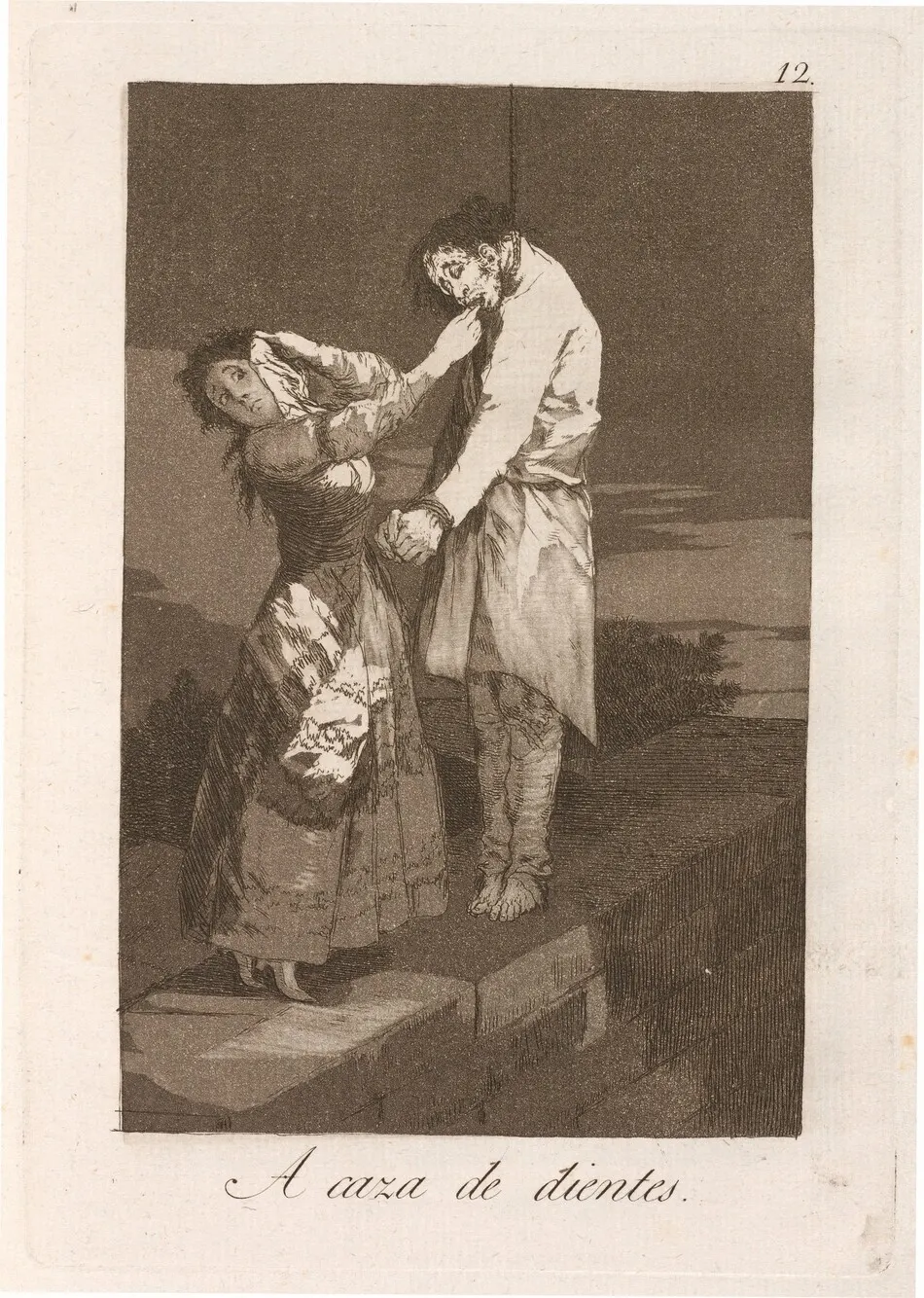
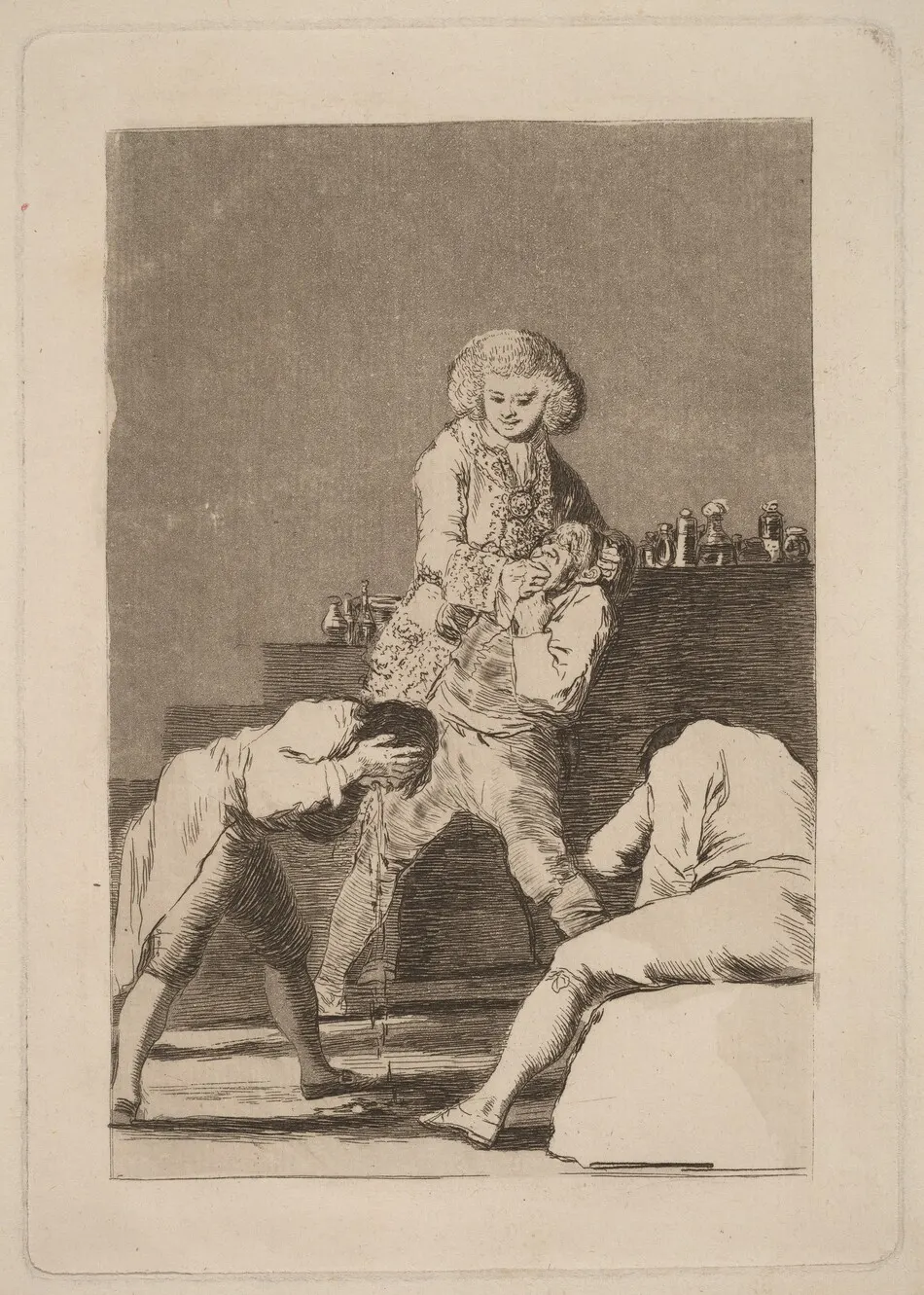
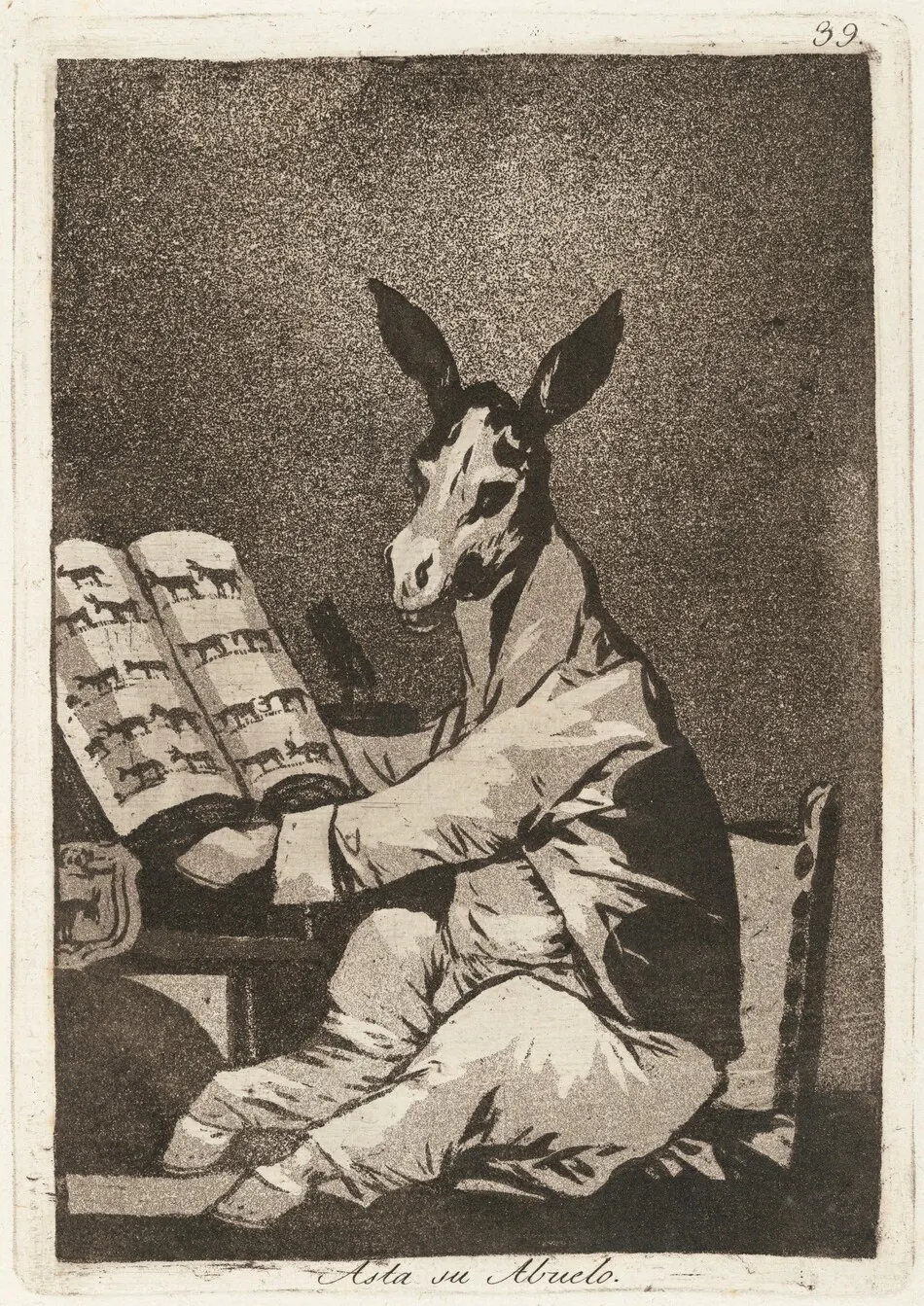
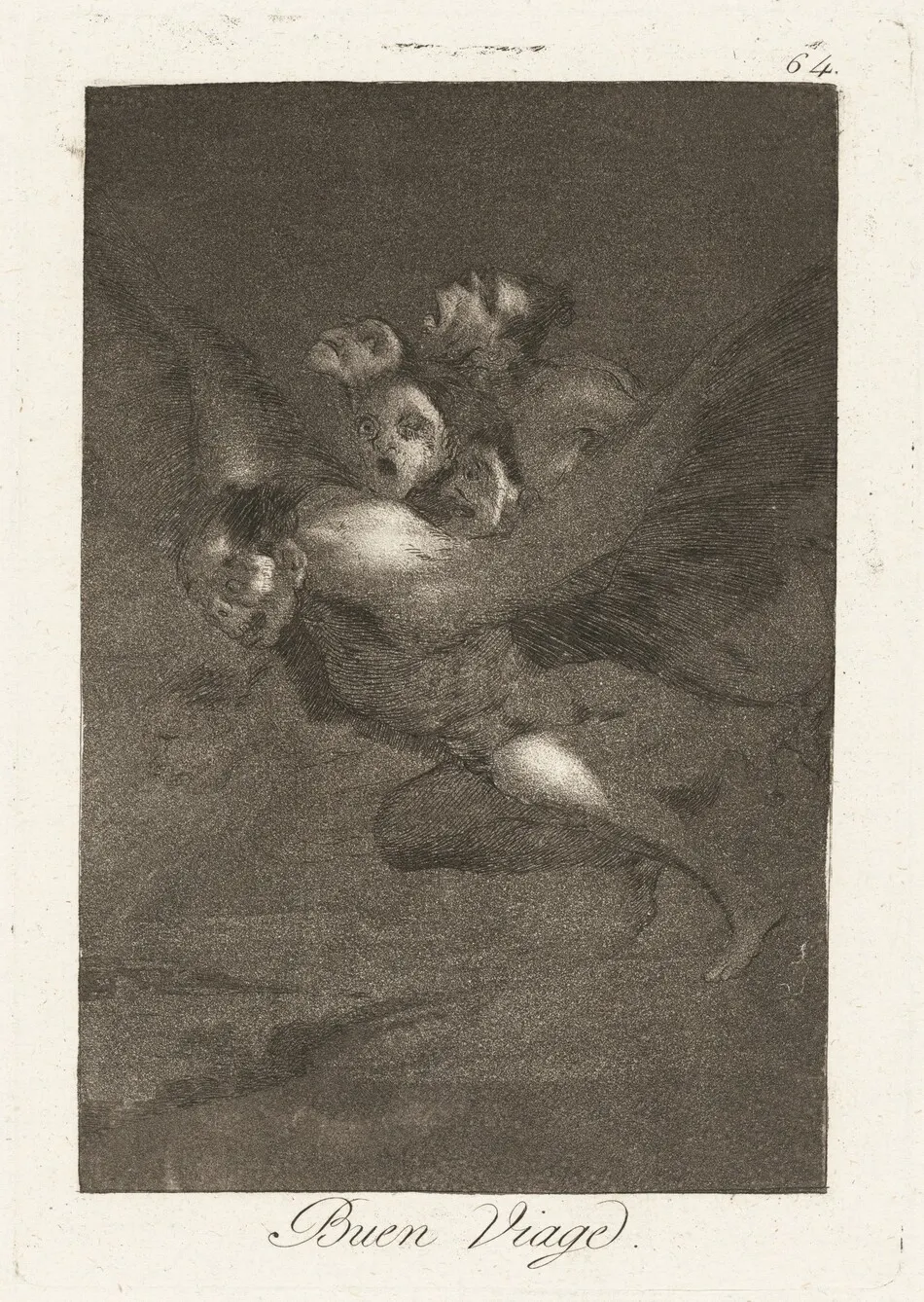
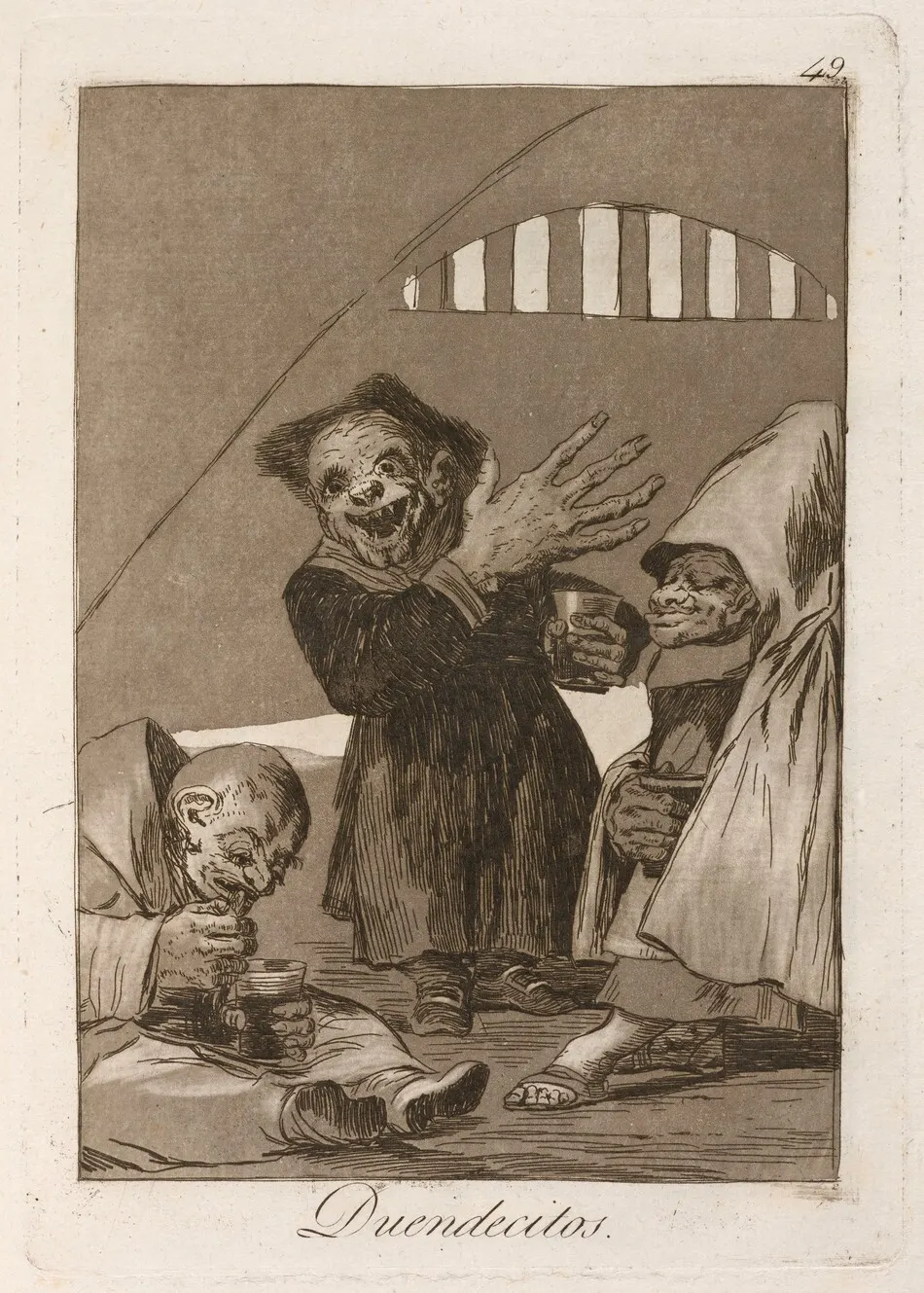
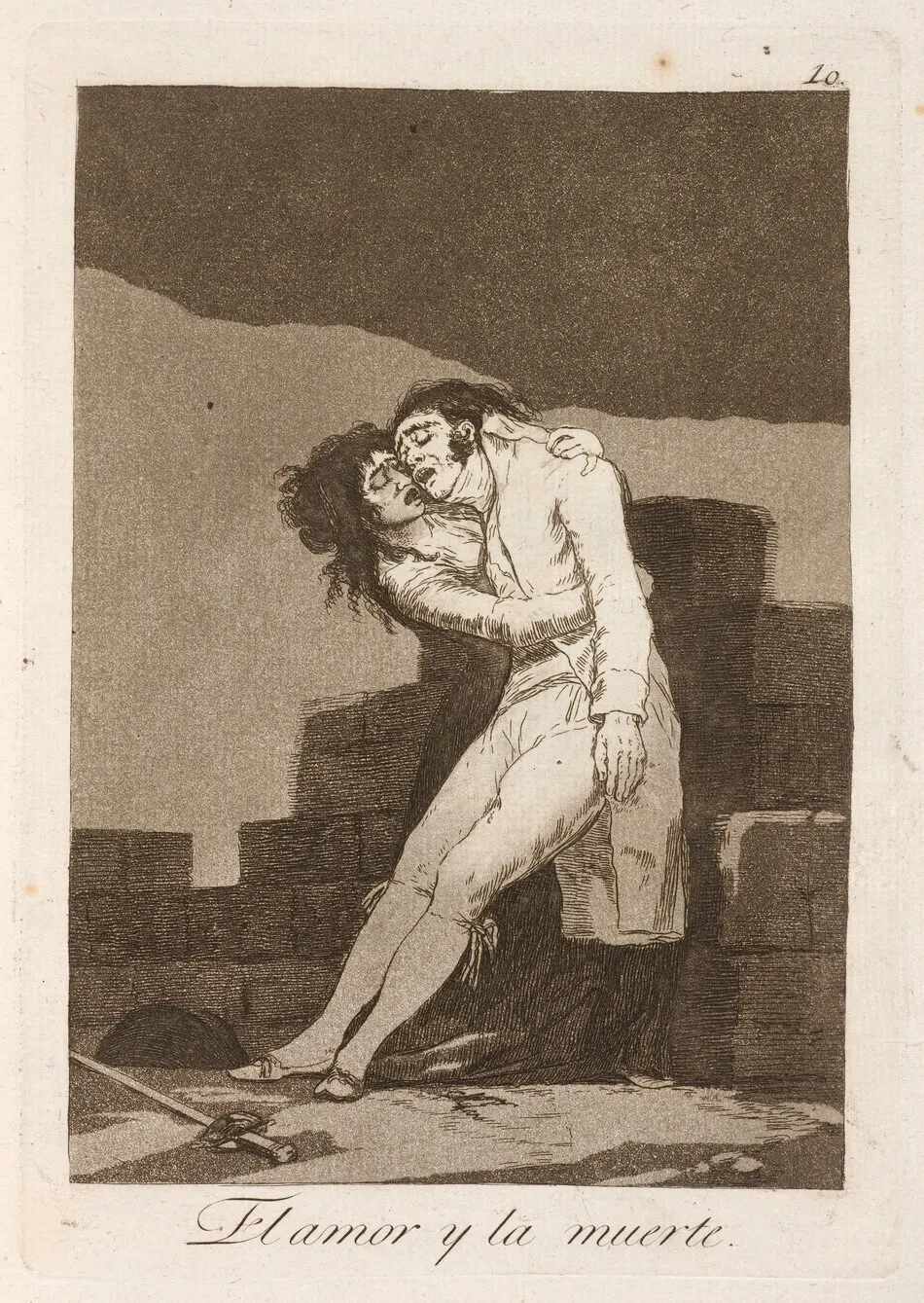
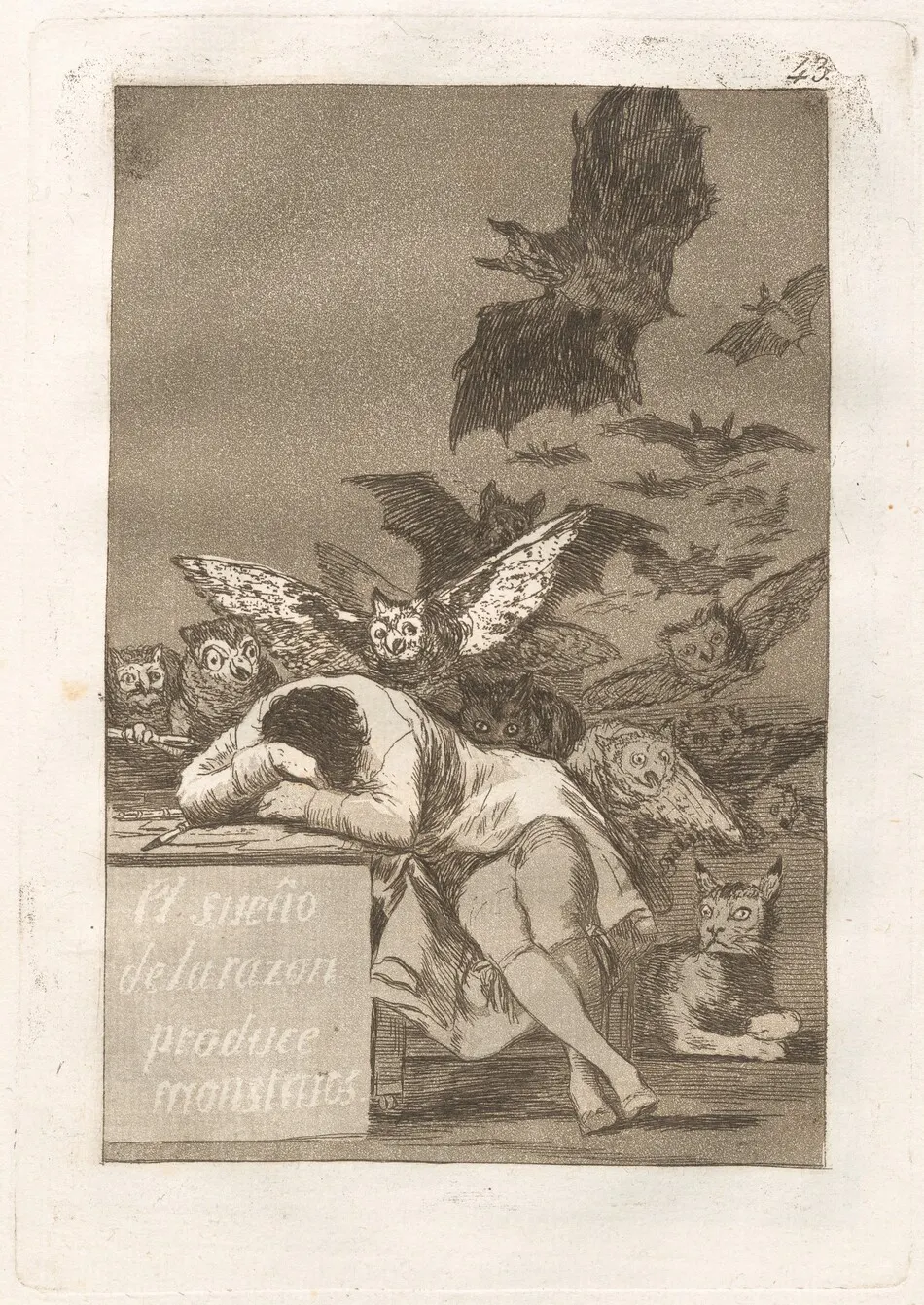
El sueño de la razon produce monstruos (The Sleep of Reason Produces Monsters)
published 1799
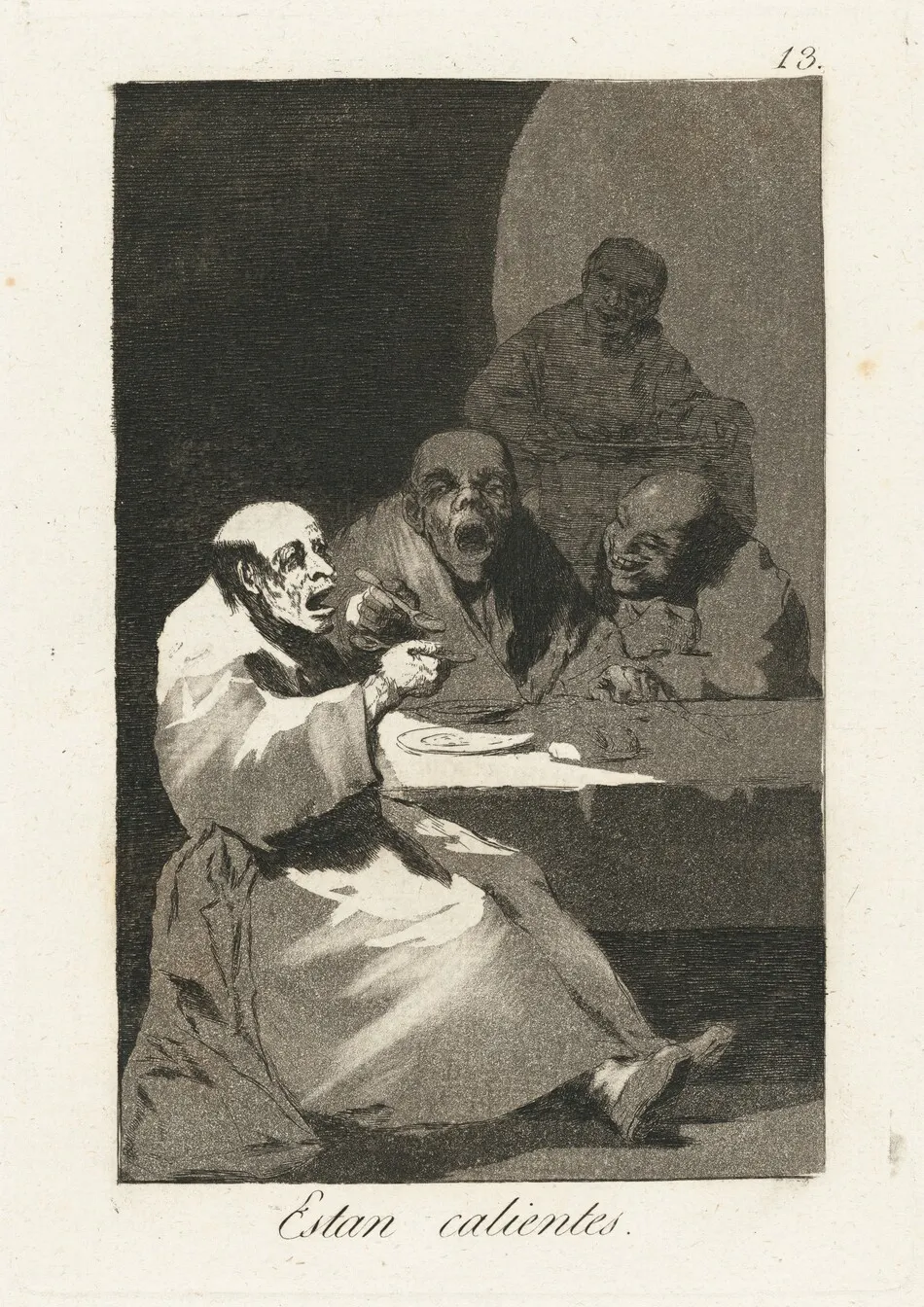
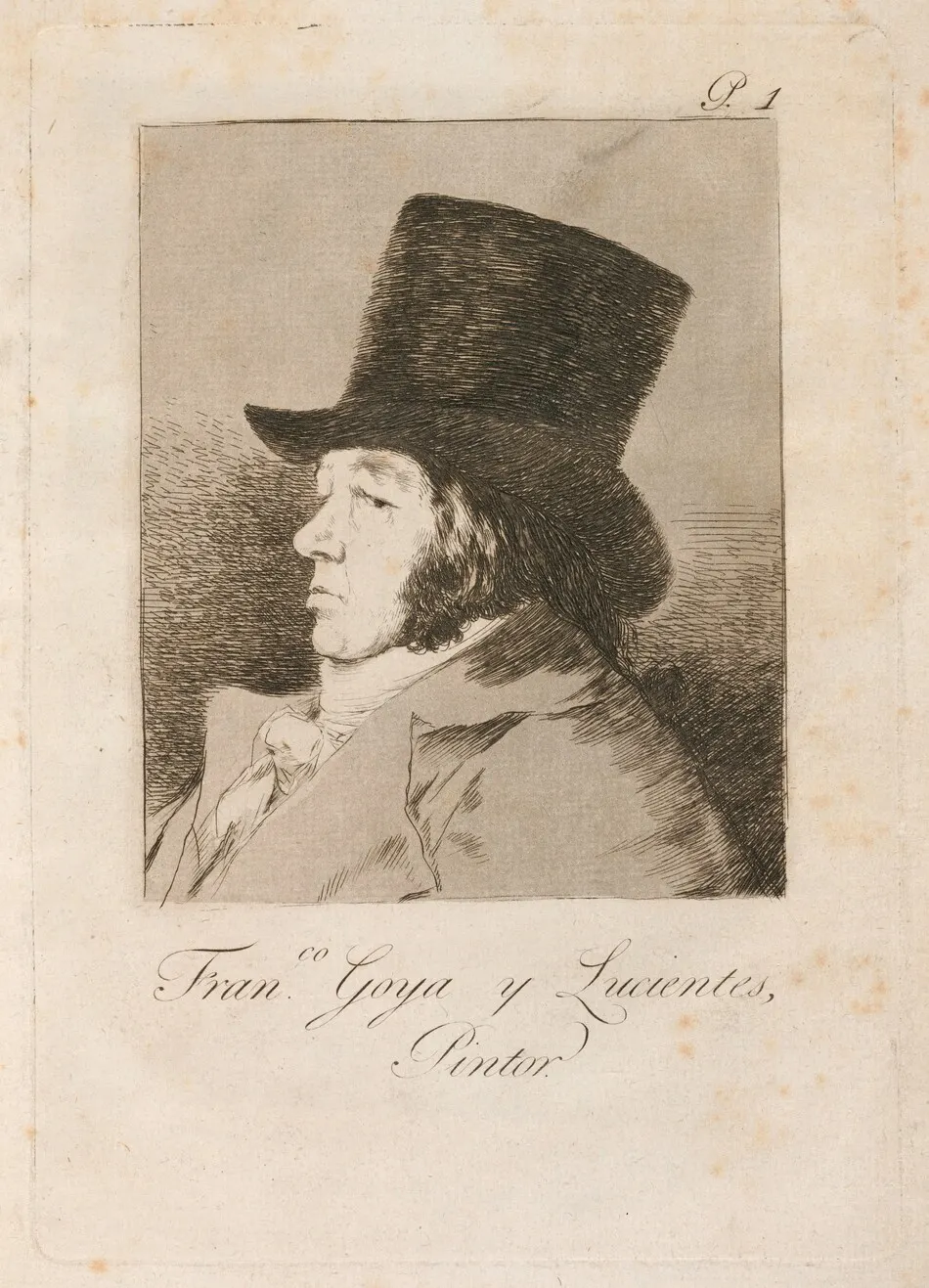
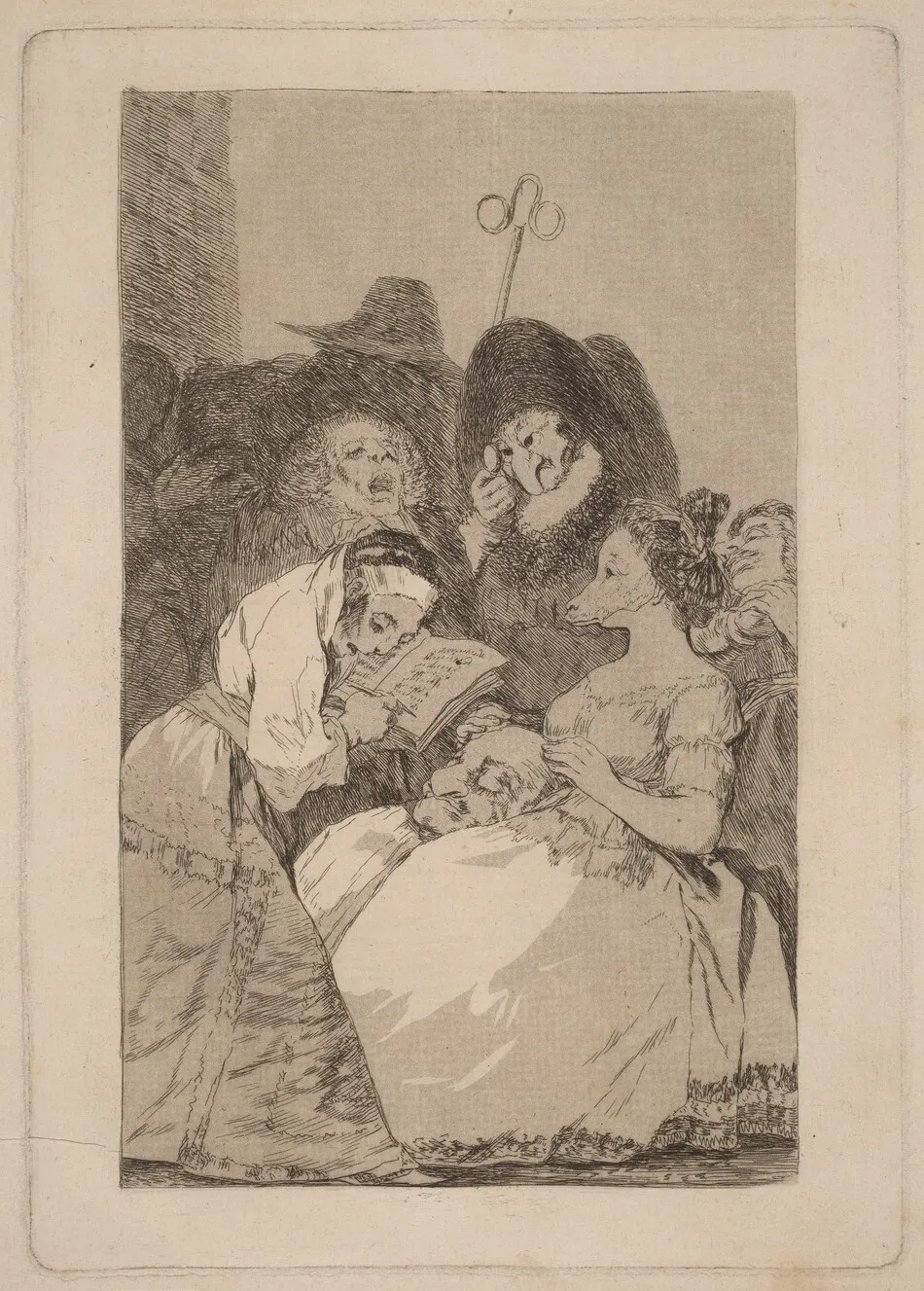
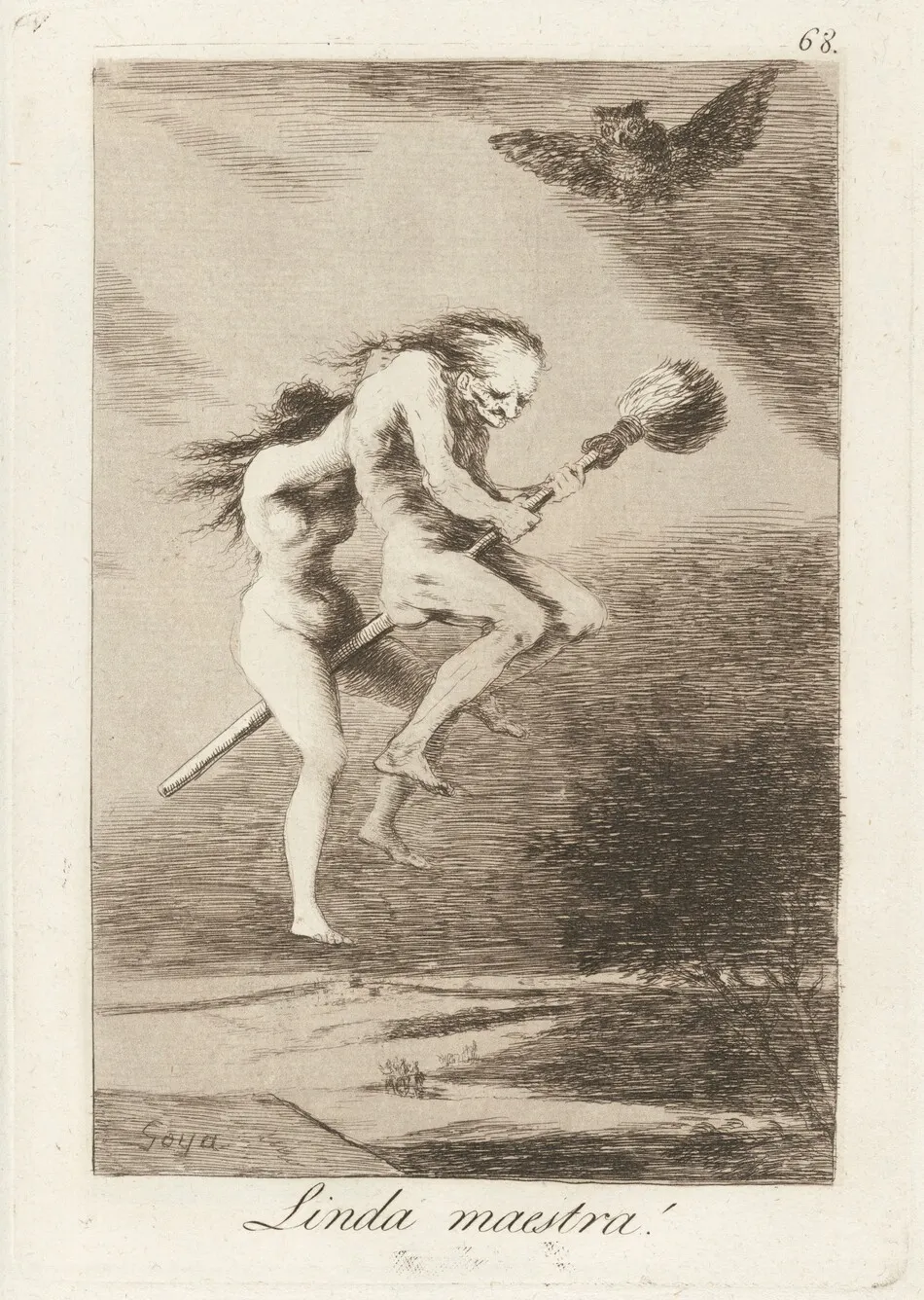
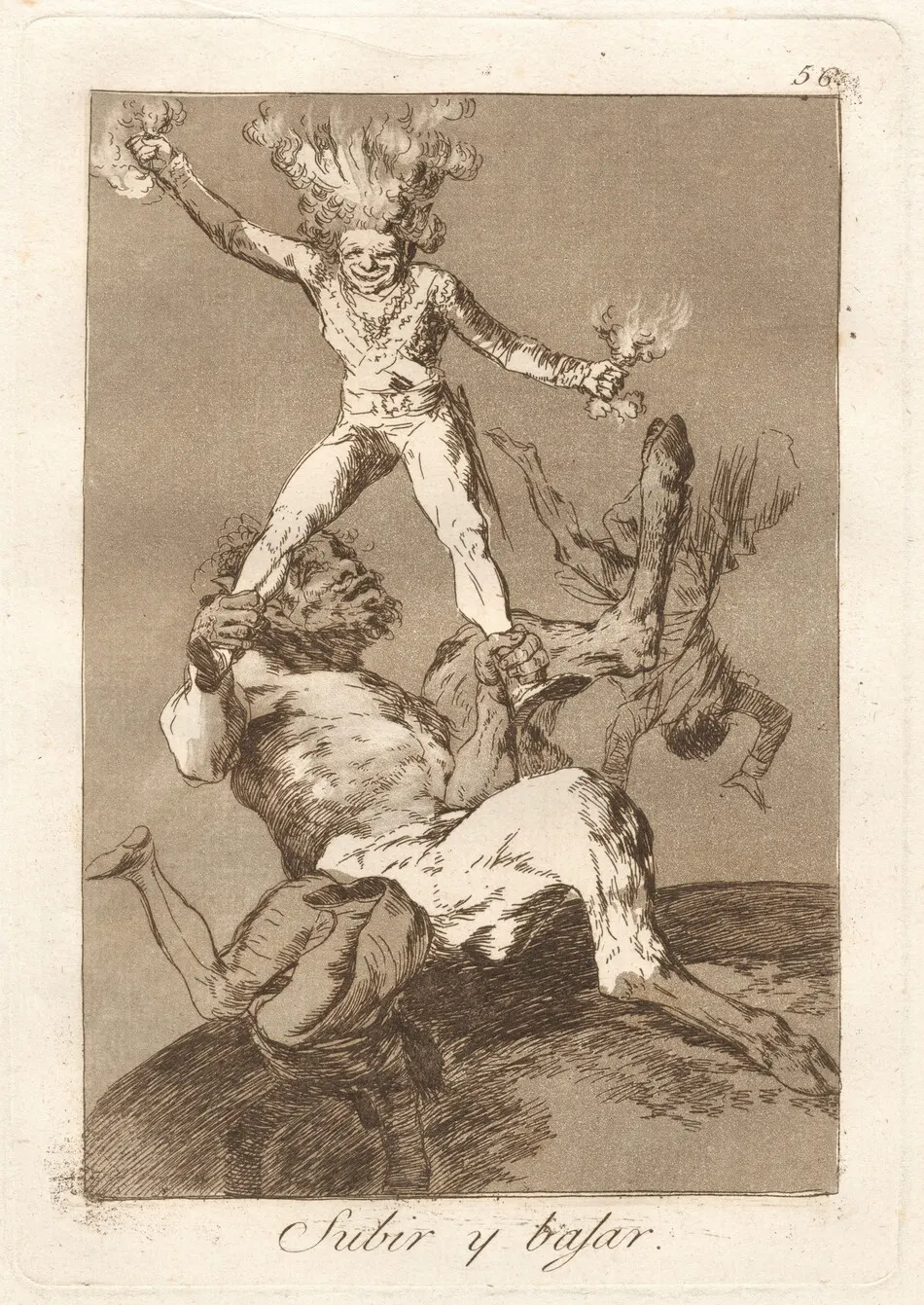
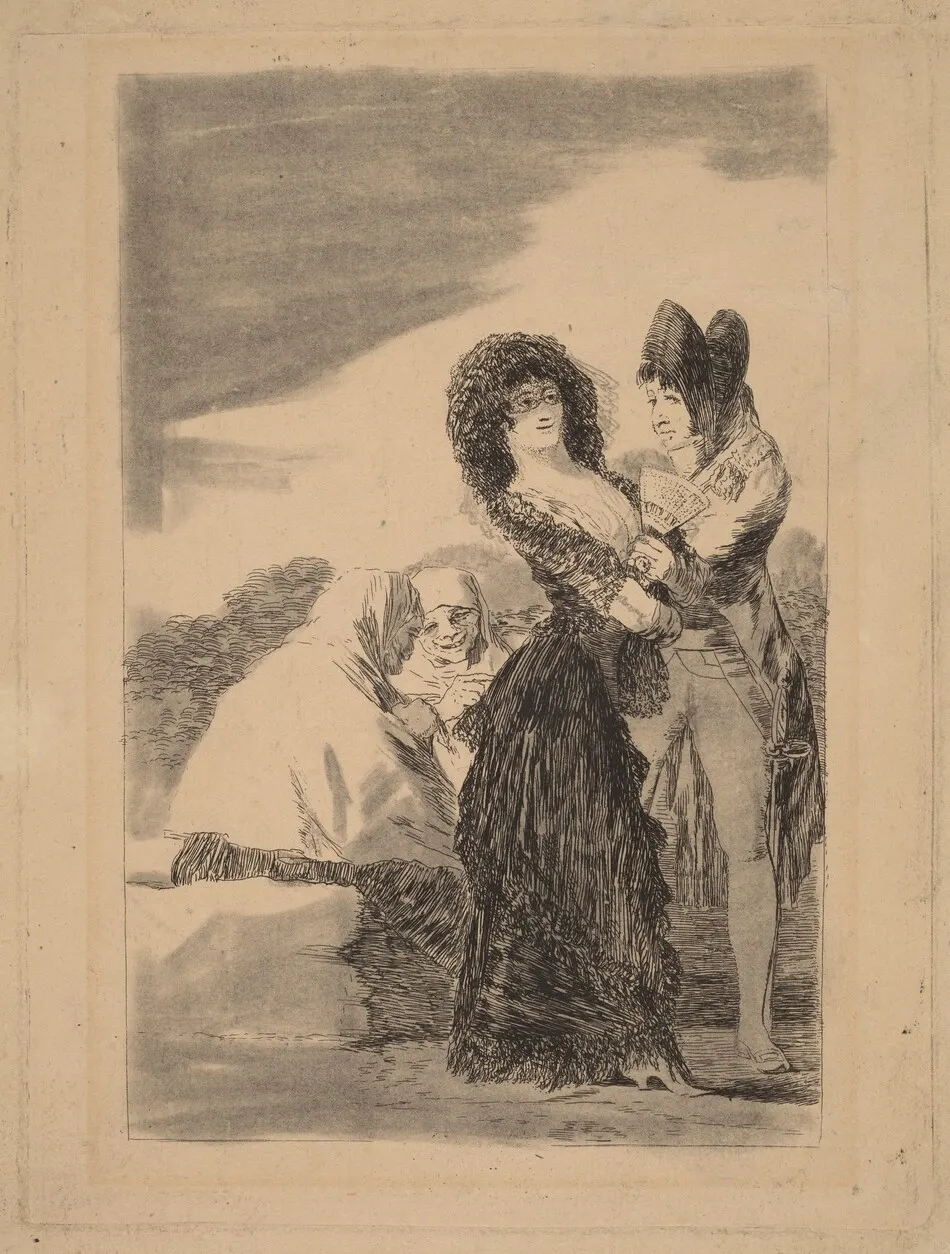
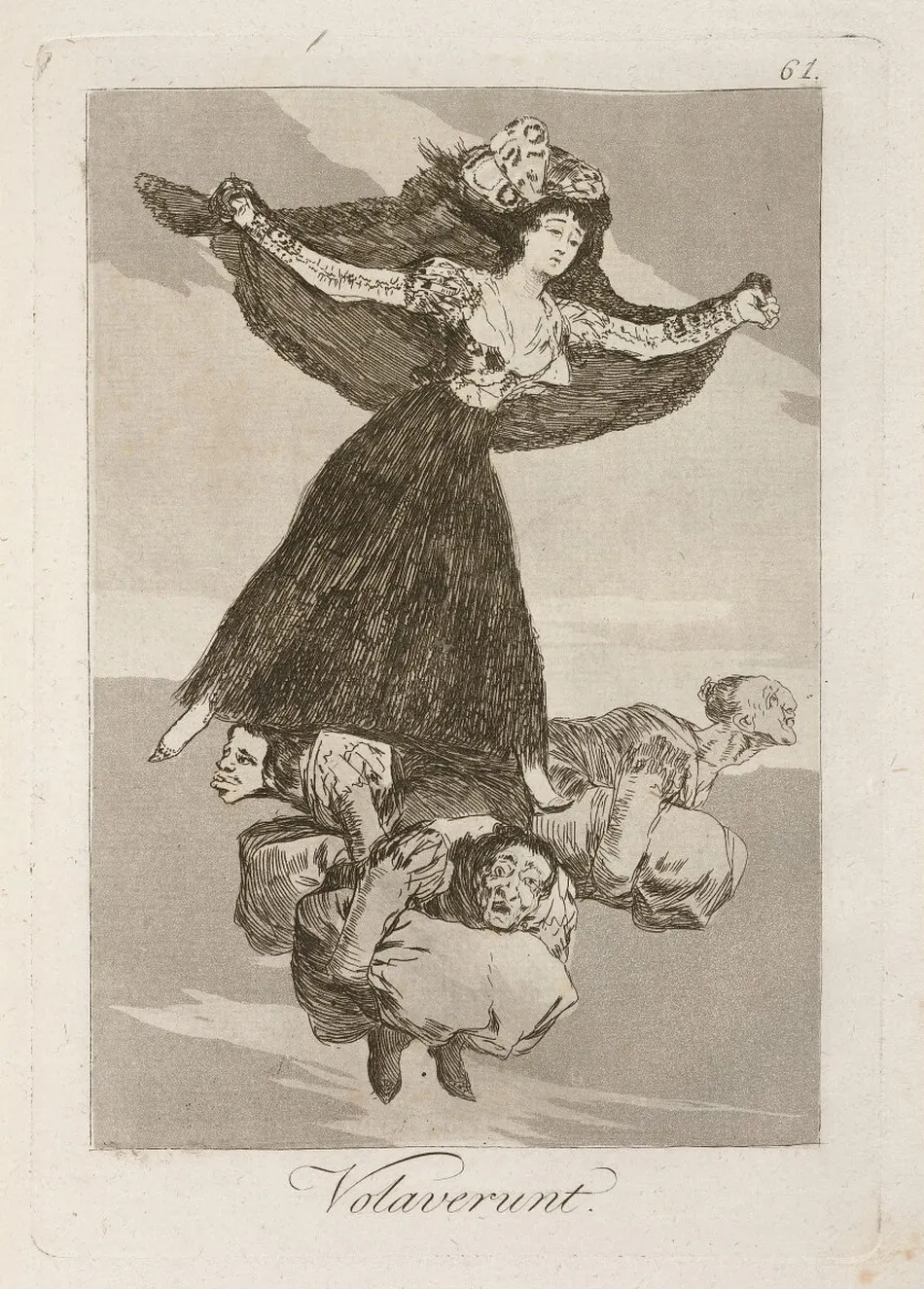
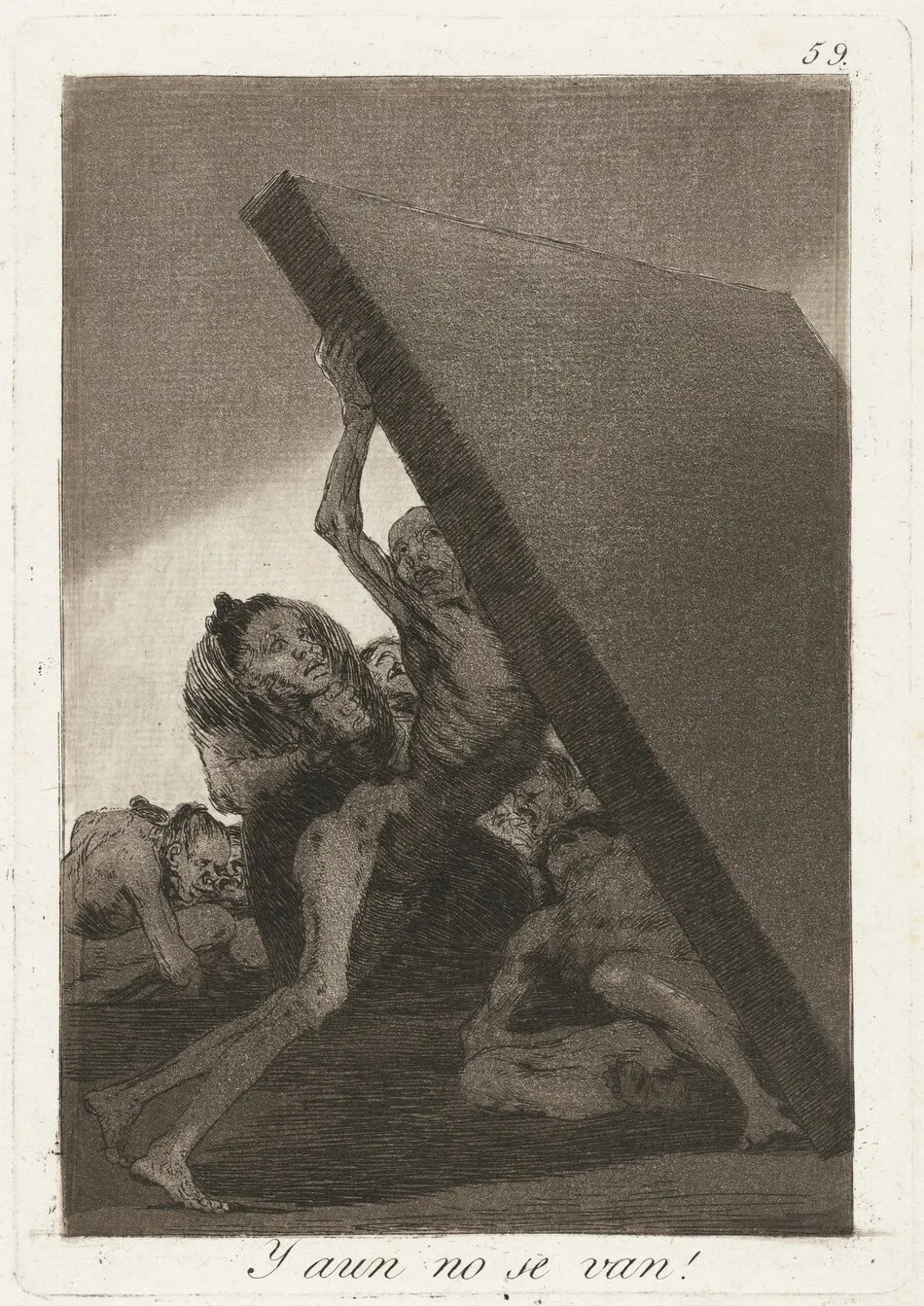
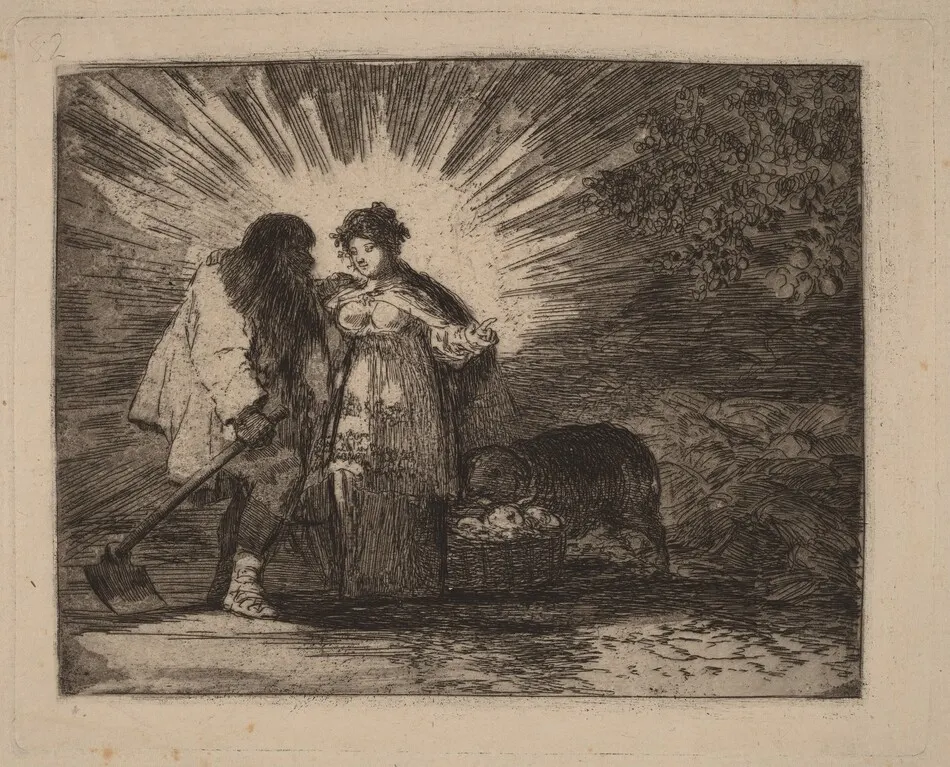
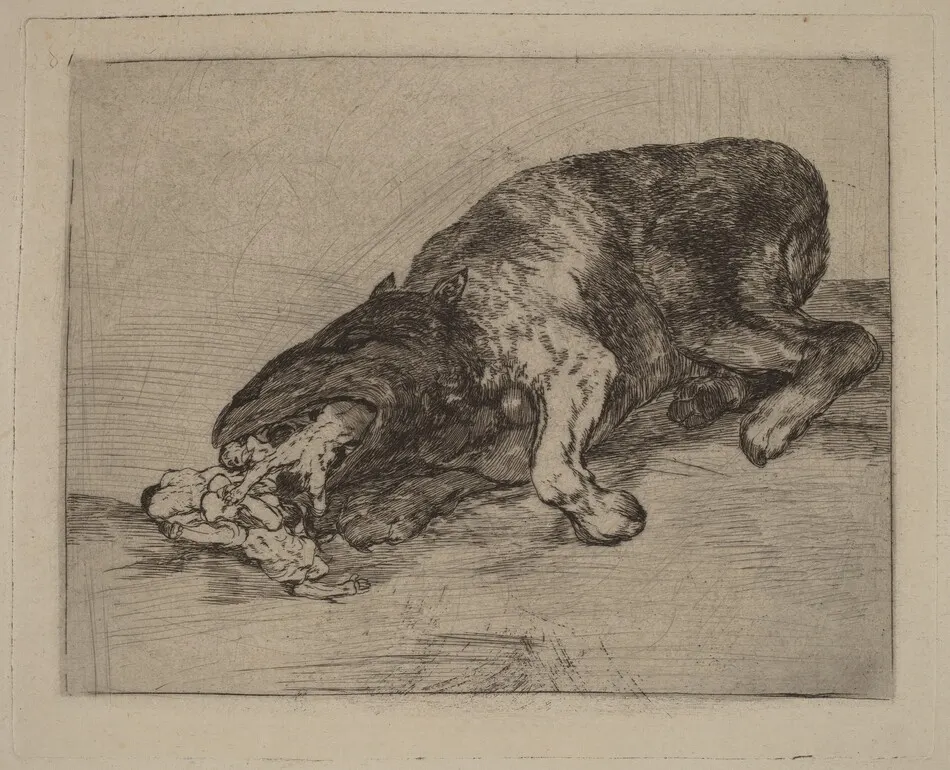
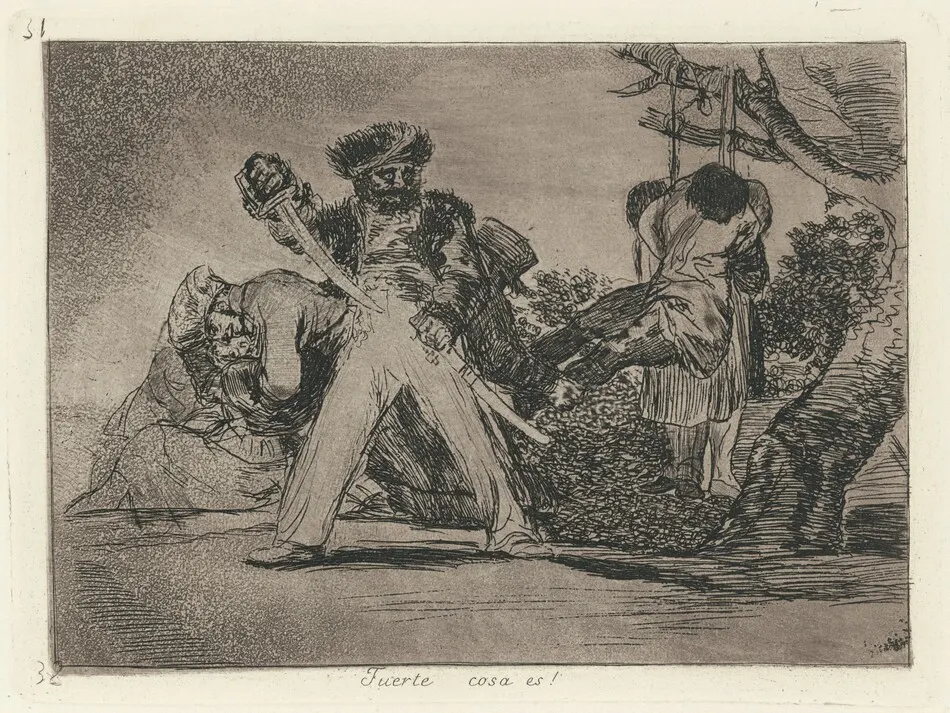
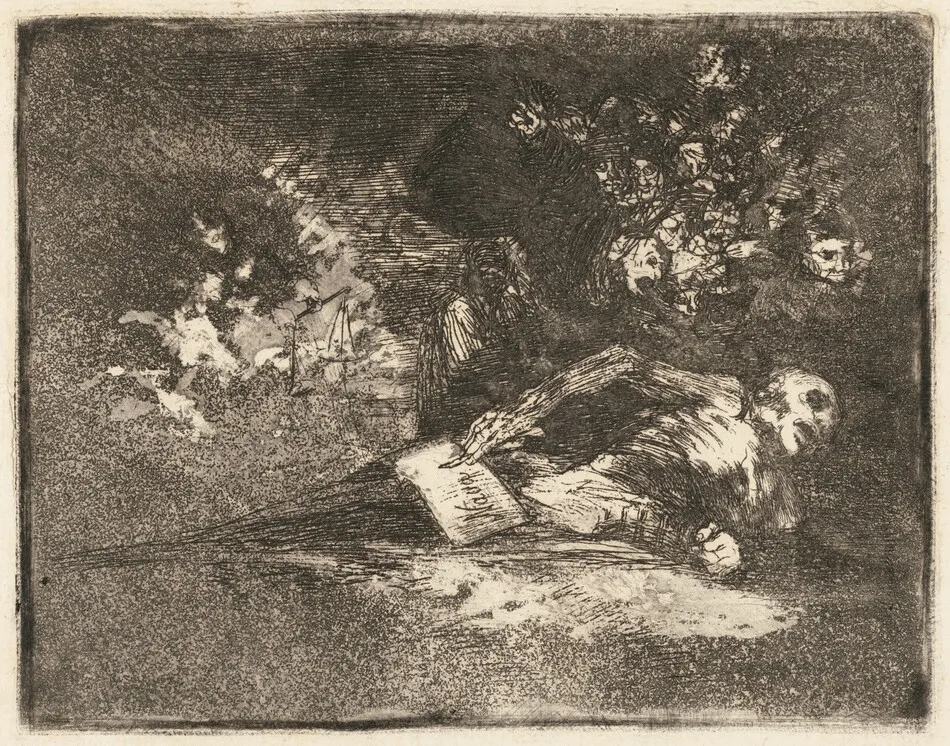
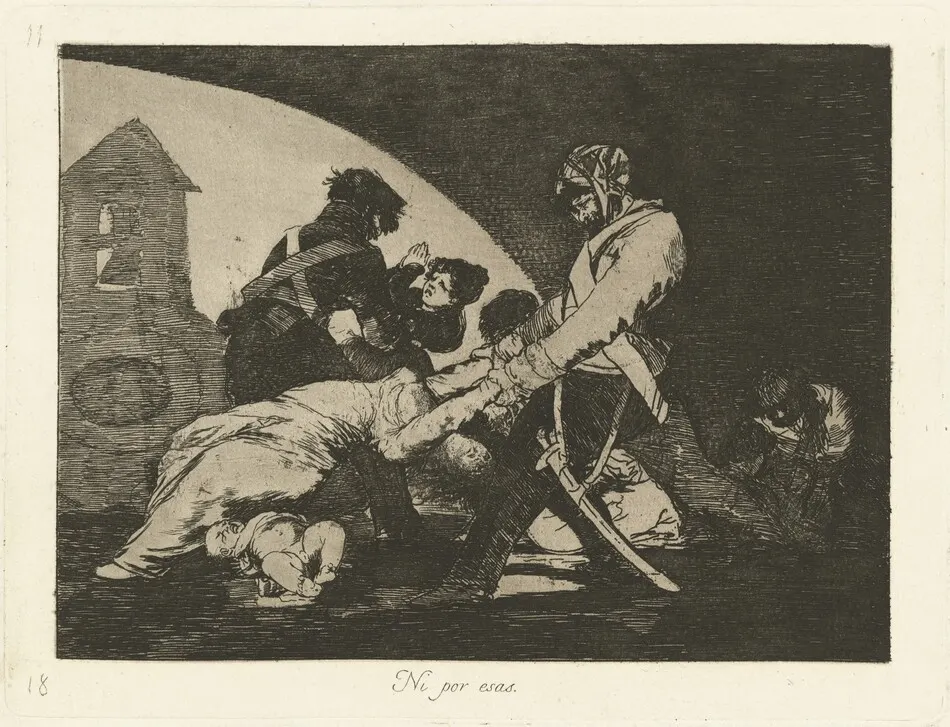
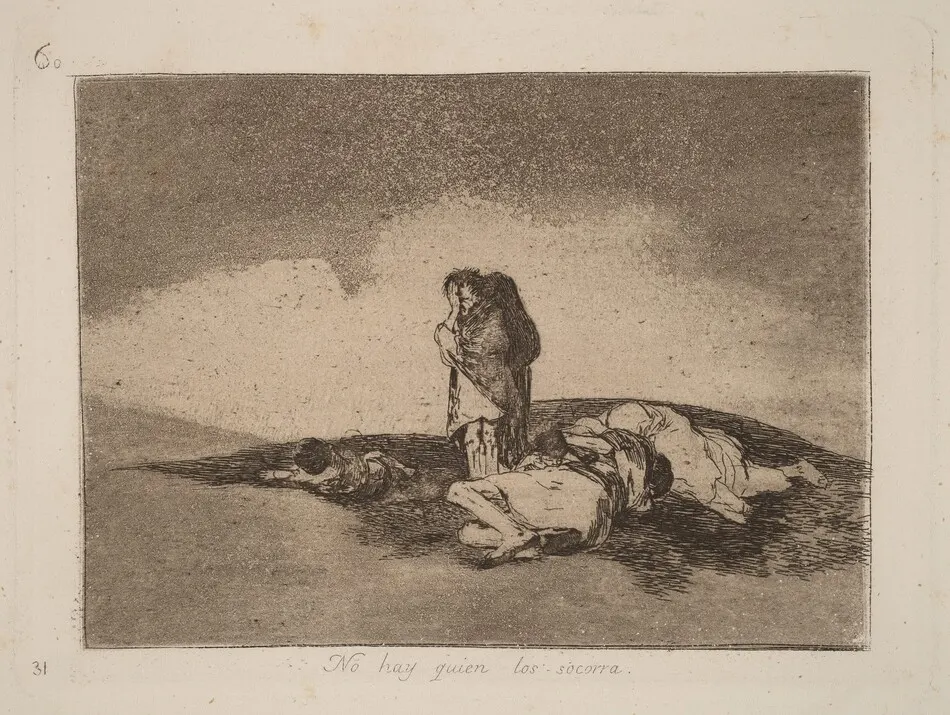
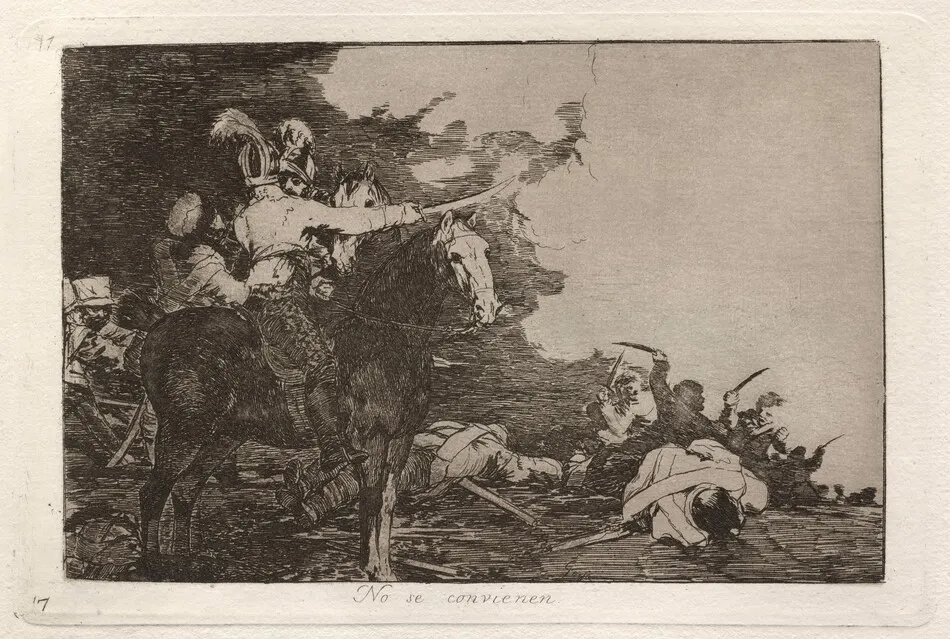
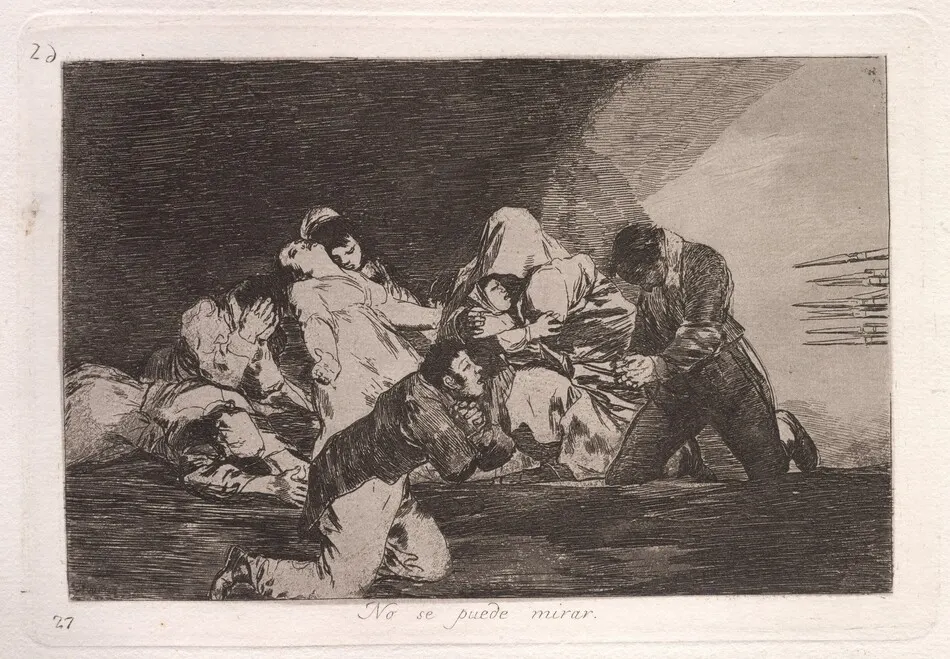
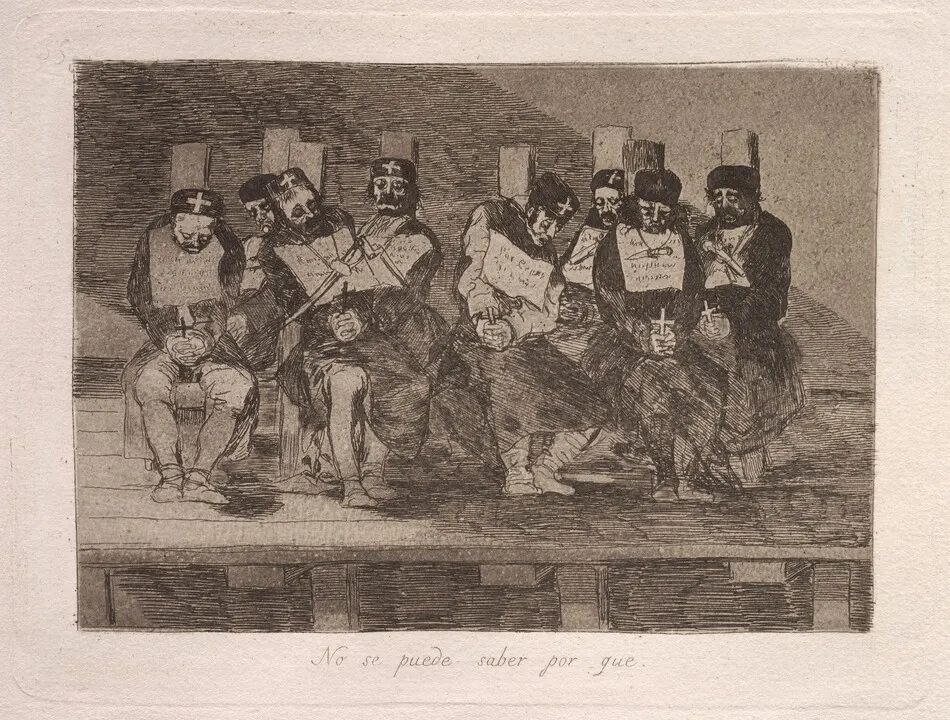
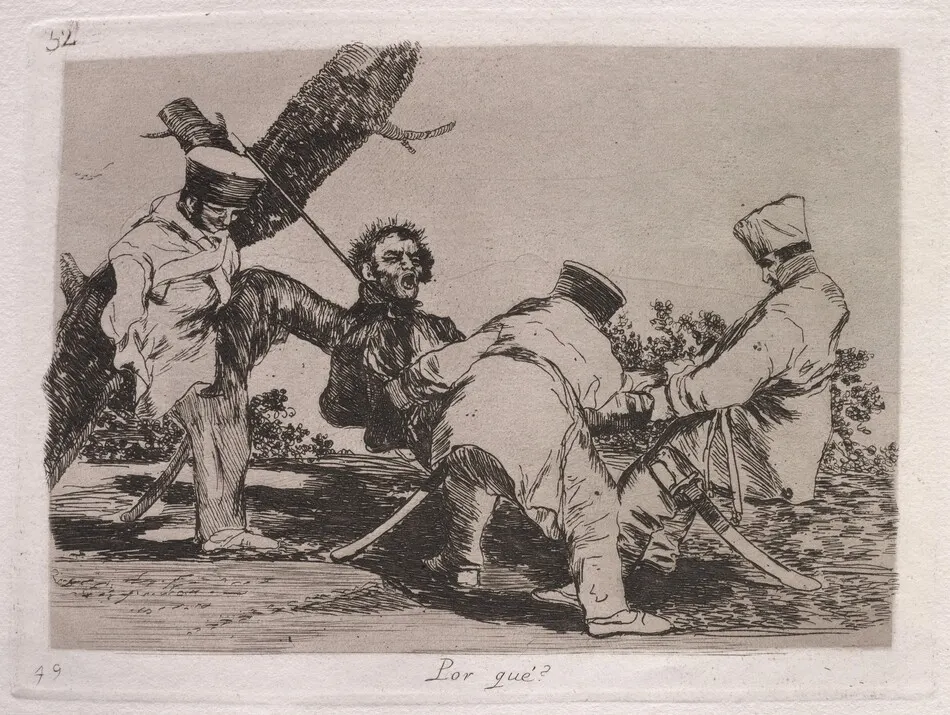
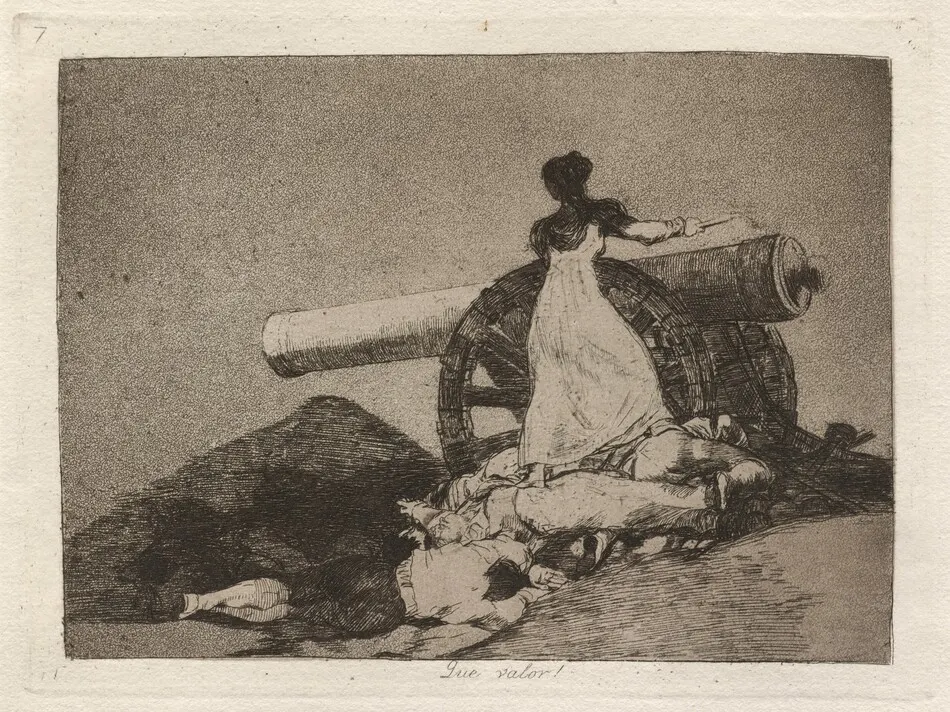
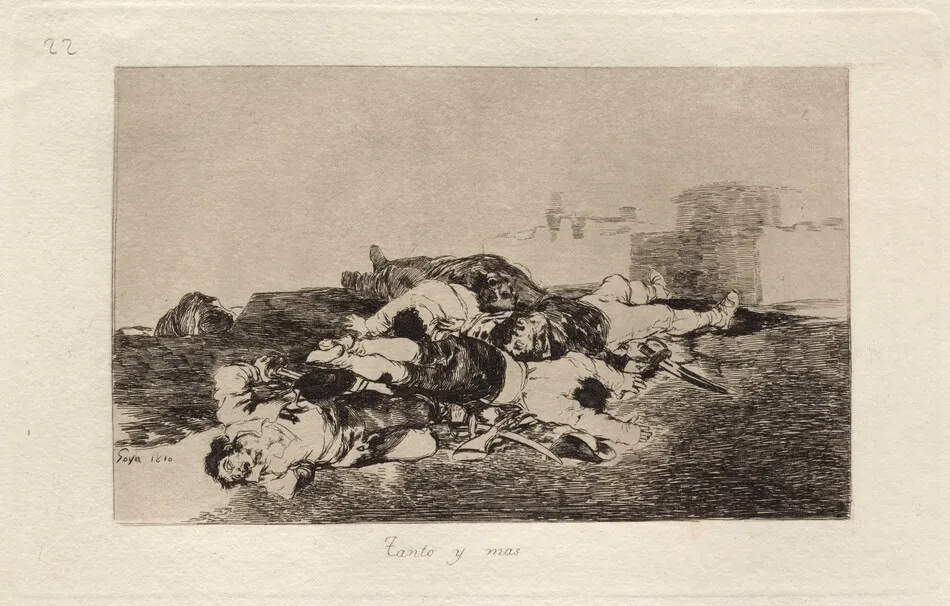
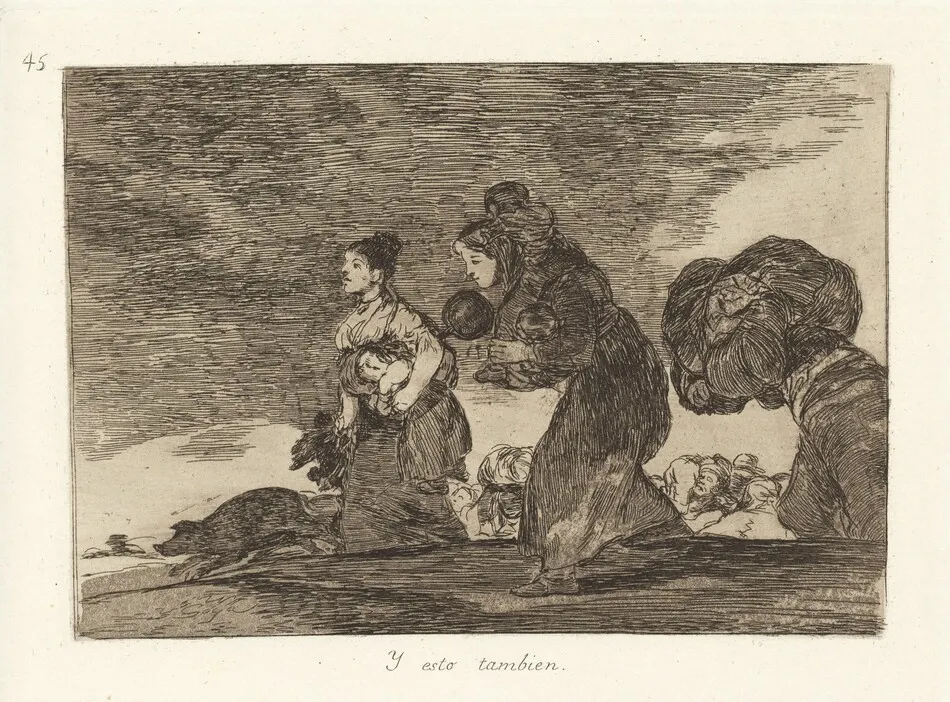
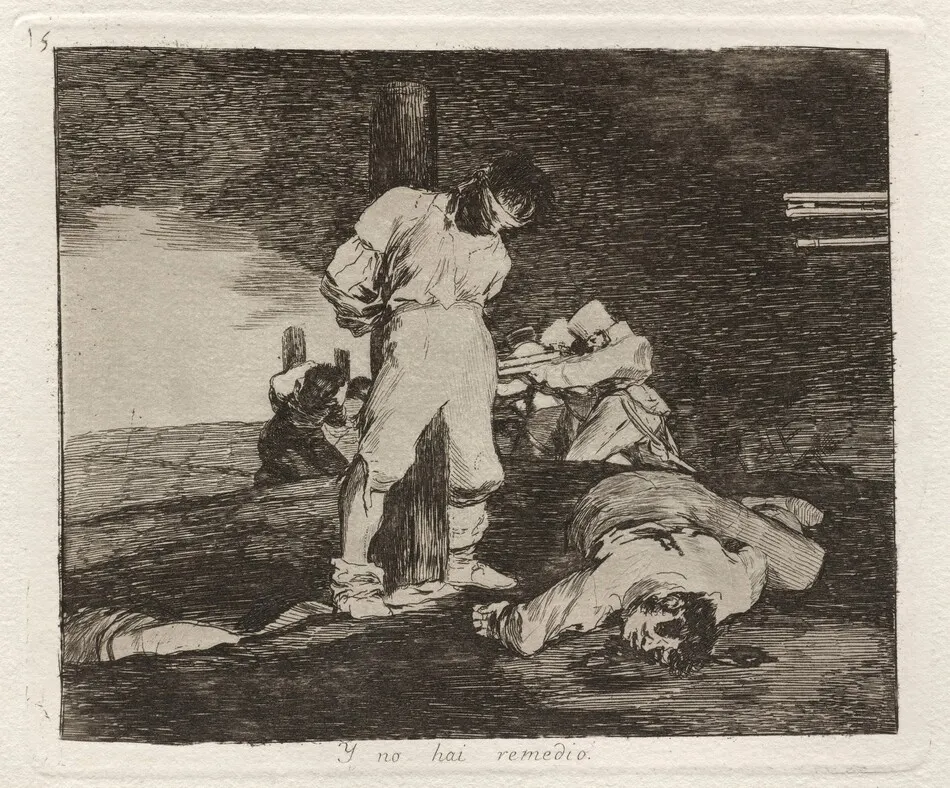
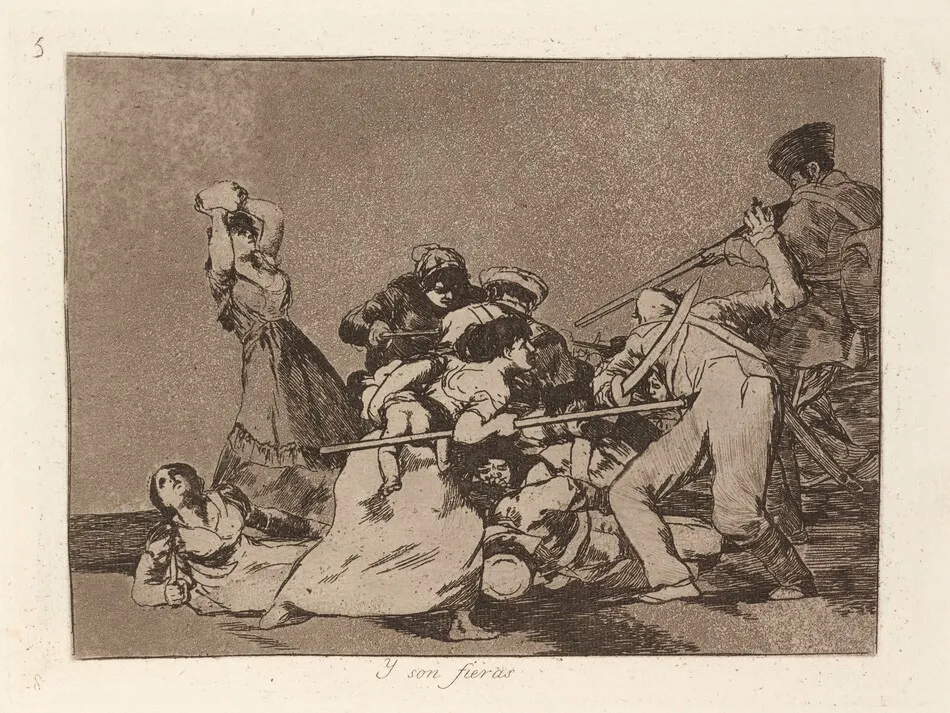
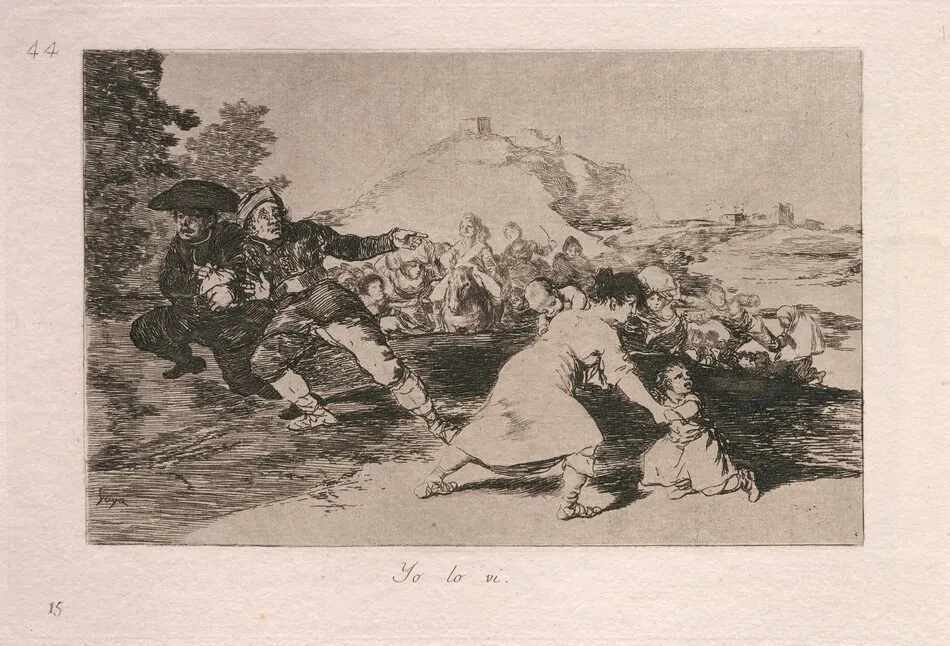
Los Desastres de la Guerra
19 worksGoya's response to the Peninsular War and the famine that followed: bodies in ditches, summary executions, and civilians starving in Madrid, recorded without a hero anywhere in the frame. He never published them. The plates were printed in 1863, thirty-five years after his death, and remain the reference point for war reportage in art.
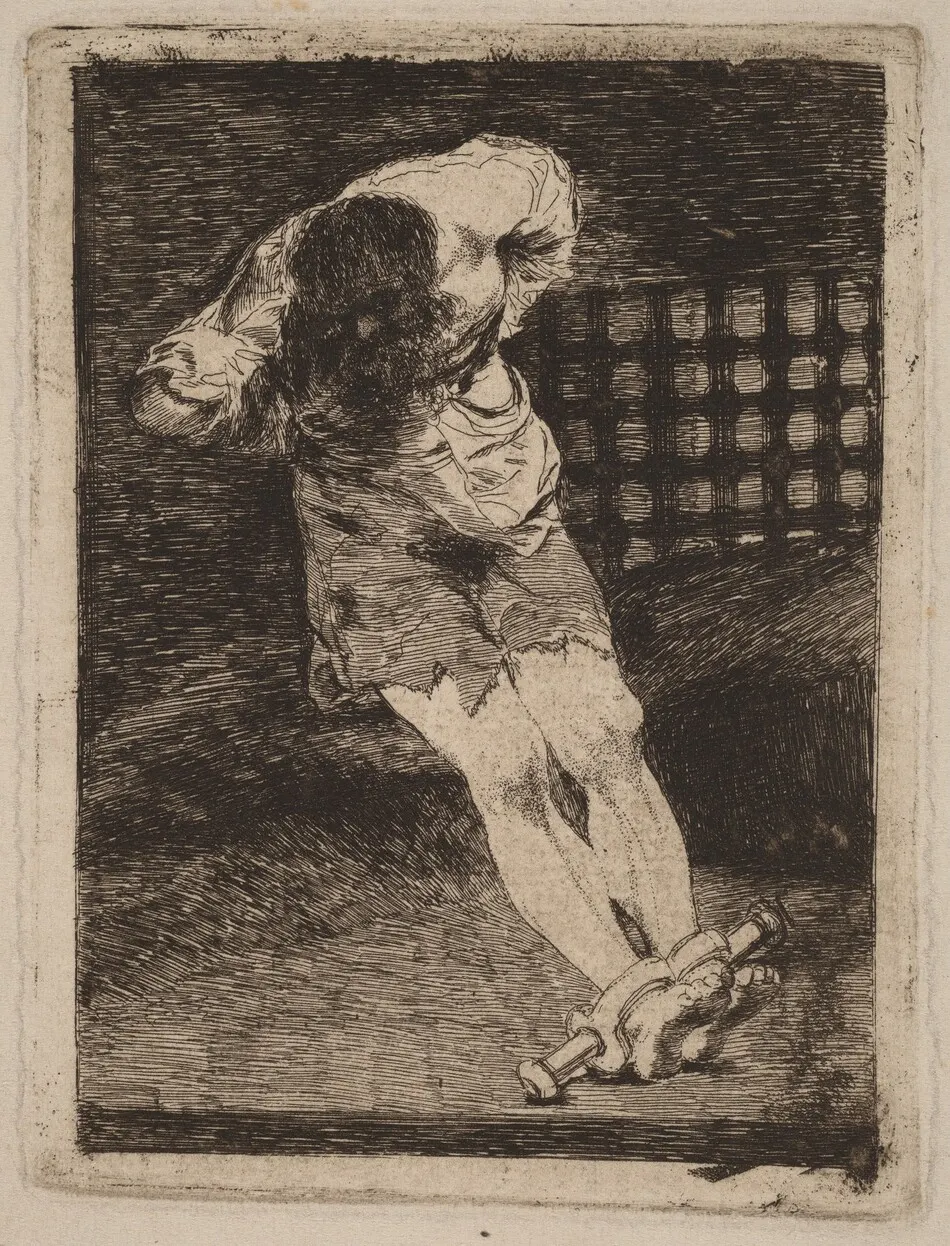
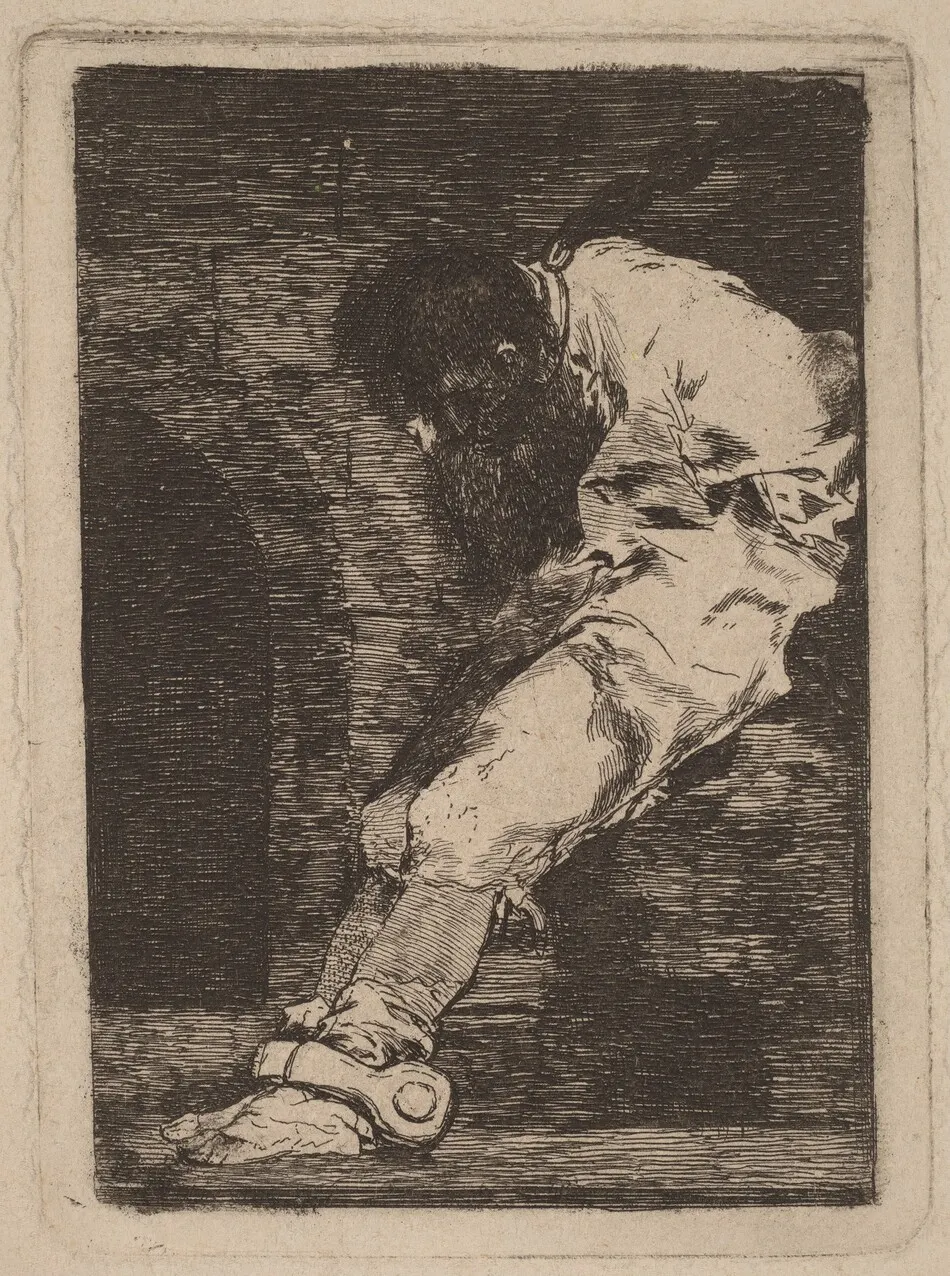
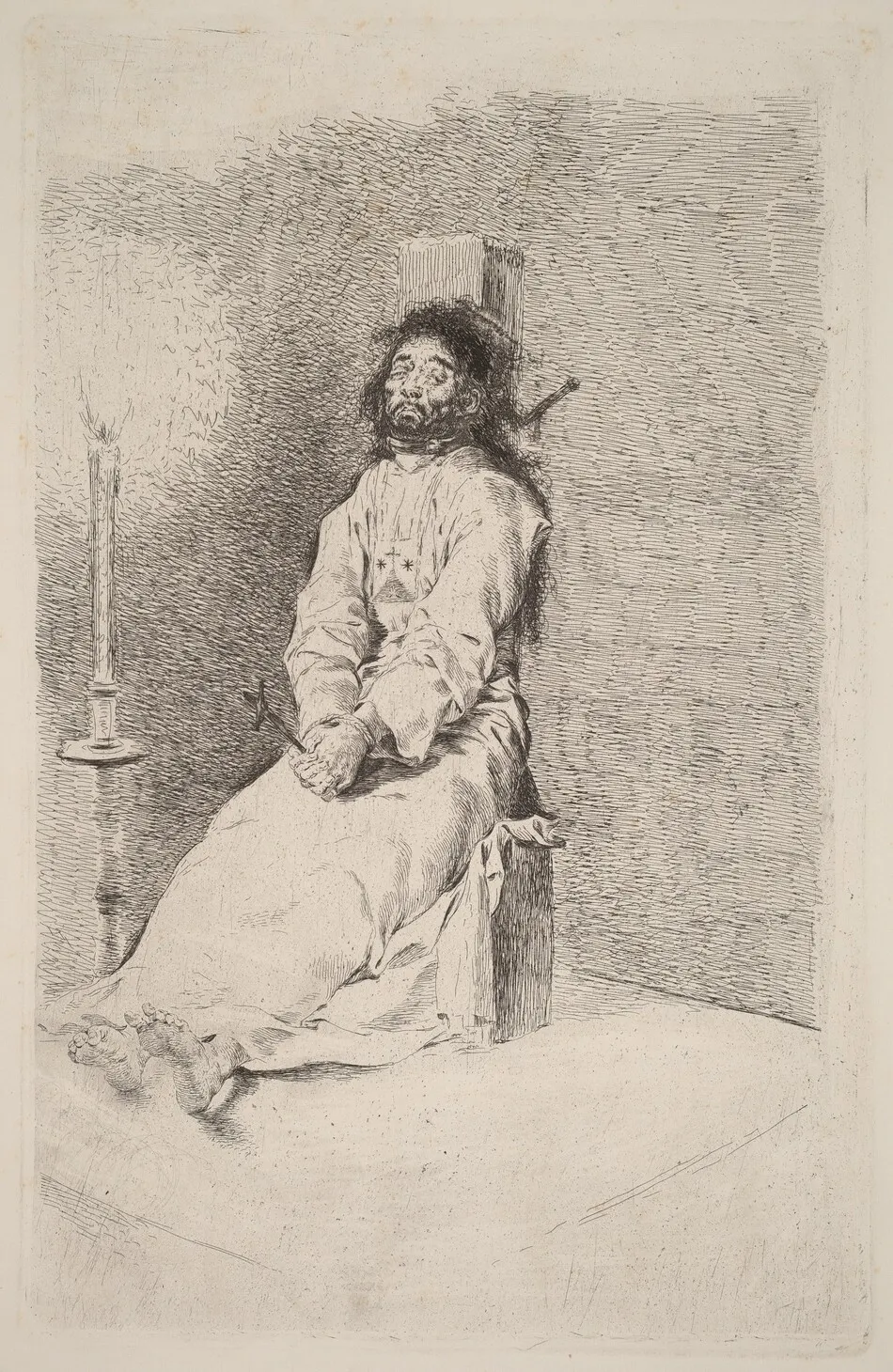
La seguridad de un reo no exige tormento (The Custody of a Criminal Does Not Call for Torture
c. 1810
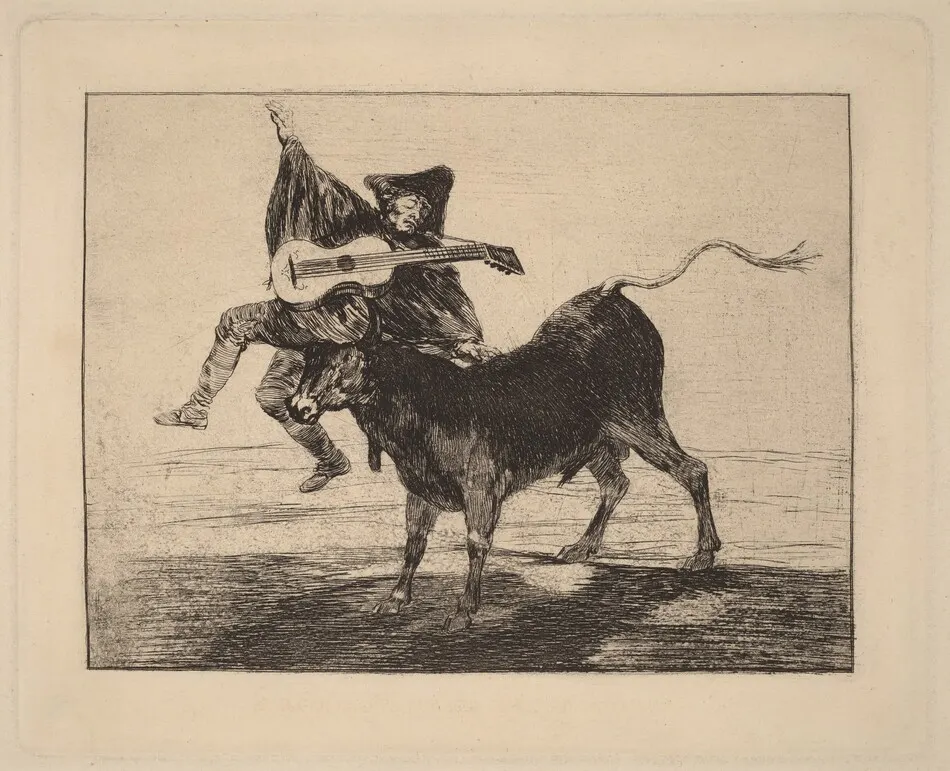
La Tauromaquia (1816)
33 worksThirty-three plates on the history and practice of bullfighting, the one major series Goya did publish in his lifetime, and the one that sold poorly. The early plates reconstruct a legendary Moorish origin for the sport; the later ones are eyewitness accounts of specific matadors, named in the titles, and of the moments when the bull won.
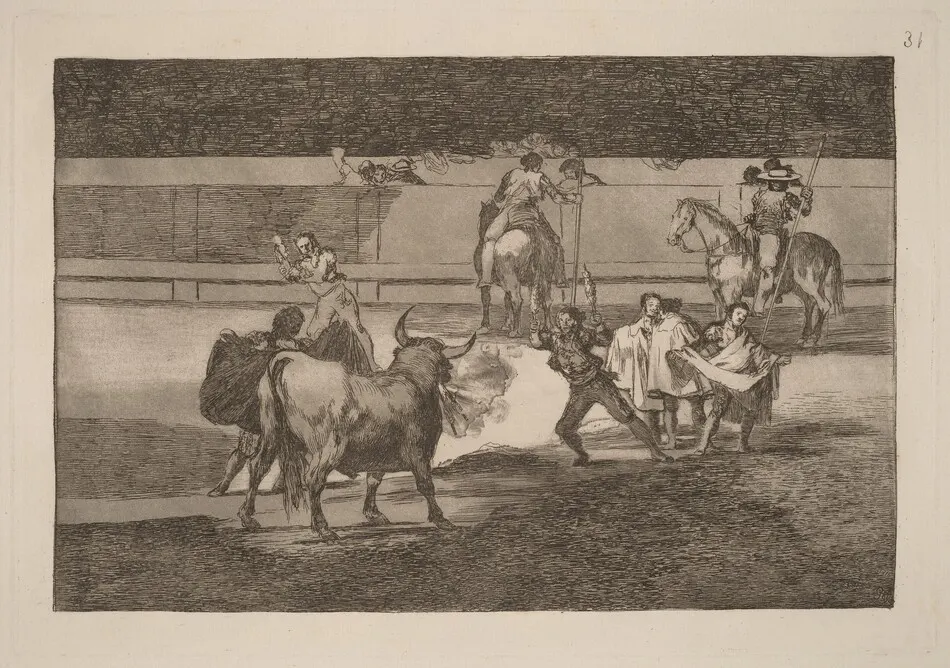
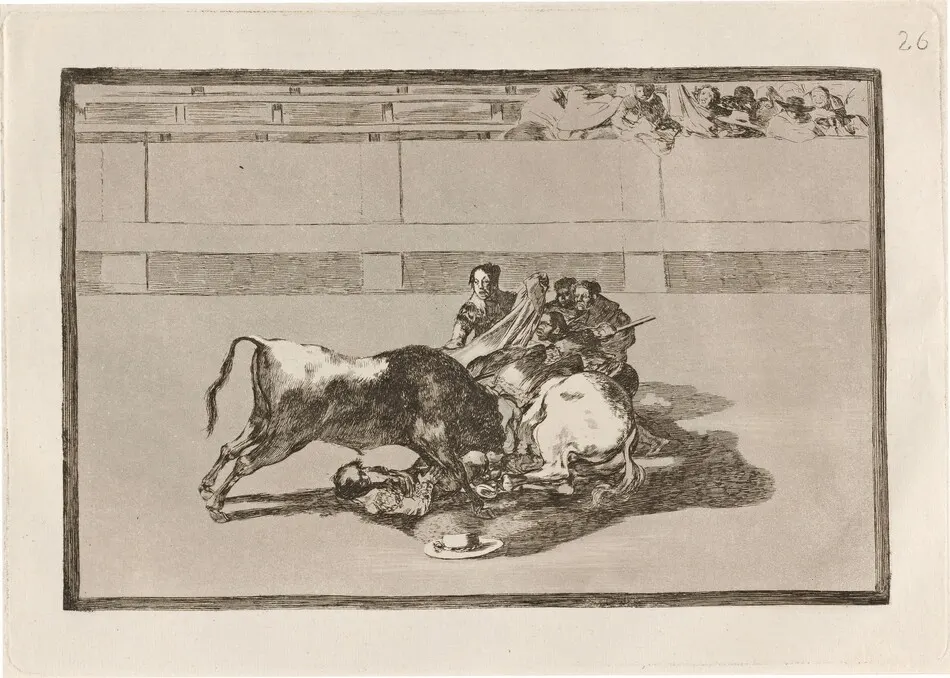
Caida de un picador de su caballo debajo del toro (A Picador is Unhorsed and Falls under the Bull)
in or before 1816
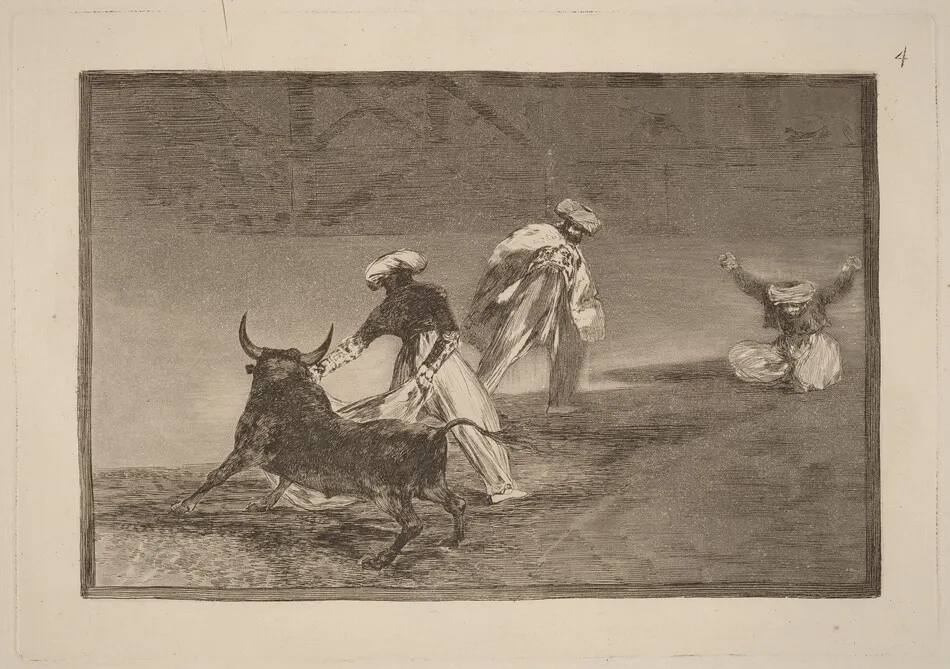
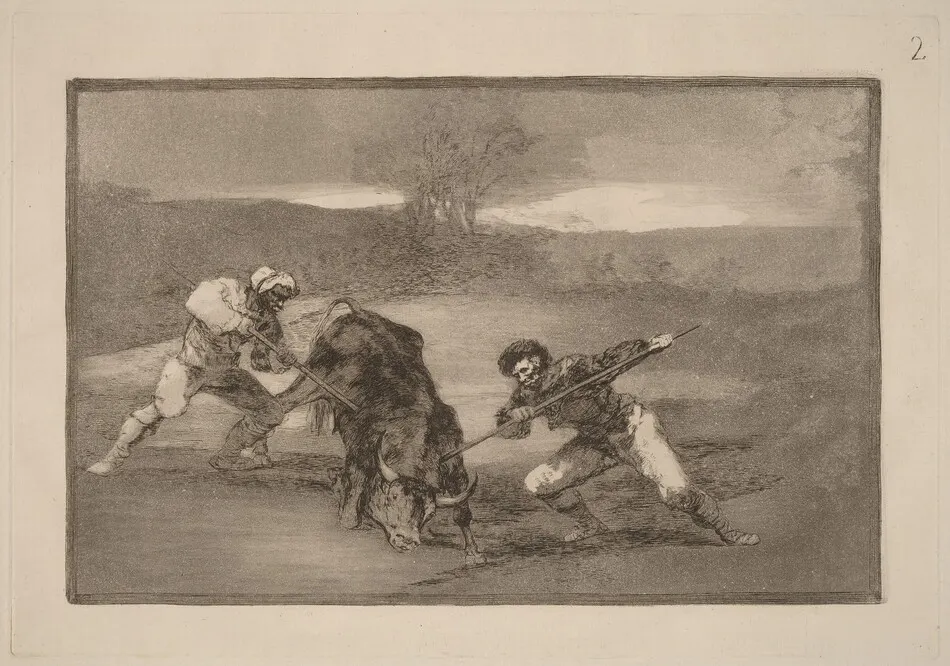
Capean otro encerrado (They Play Another with the Cape in an Enclosure)
in or before 1816
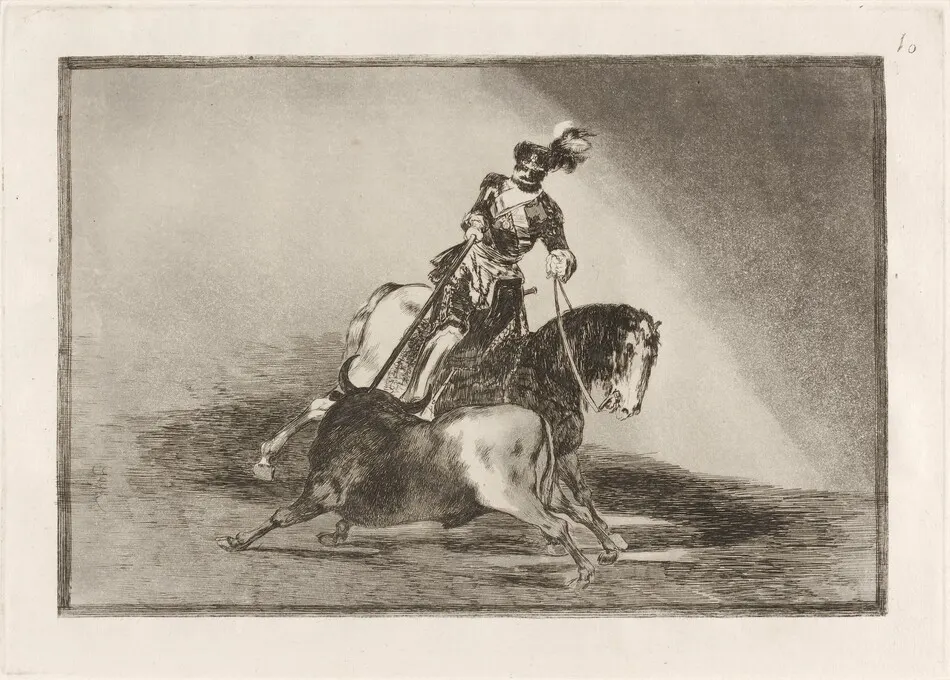
Carlos V. lanceando un toro en la plaza de Valladolid (Charles V Spearing a Bull in the Ring at Valladolid)
in or before 1816
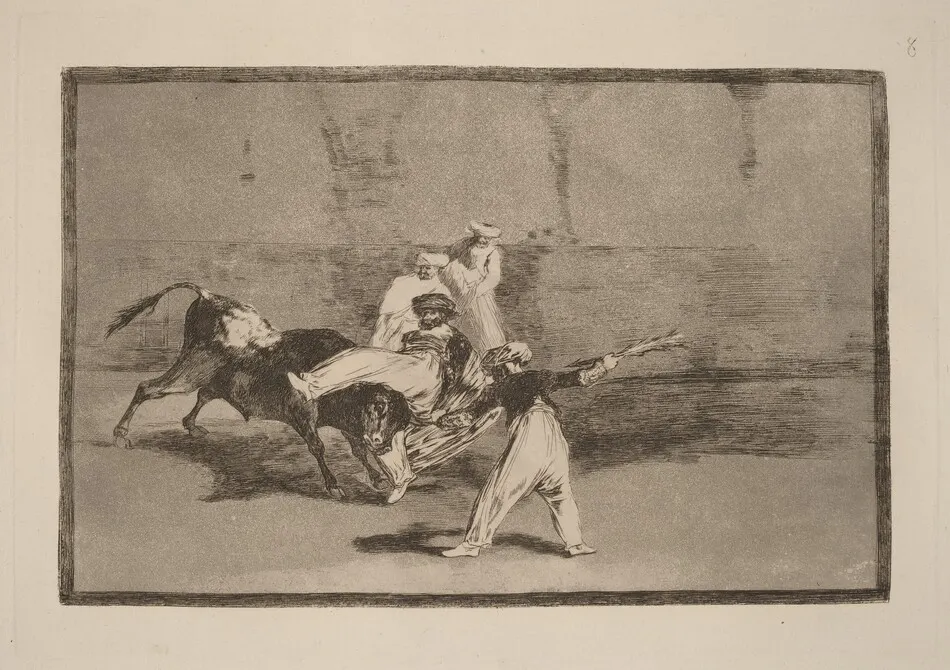
Cogida de un moro estando en la plaza (A Moor Caught by the Bull in the Ring)
in or before 1816
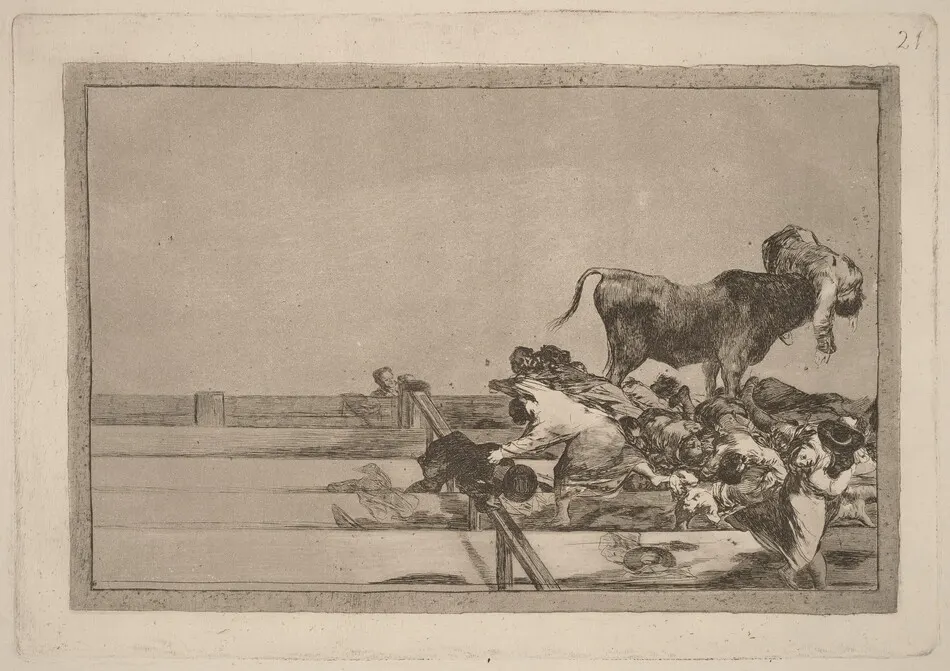
Desgracias acaecidas en el tendido de la plaza de Madrid, y muerte del alcalde de Tor rejon (Dreadful events in the Front Rows of the Ring at Madrid and Death of the Mayor of Torrejon)
in or before 1816
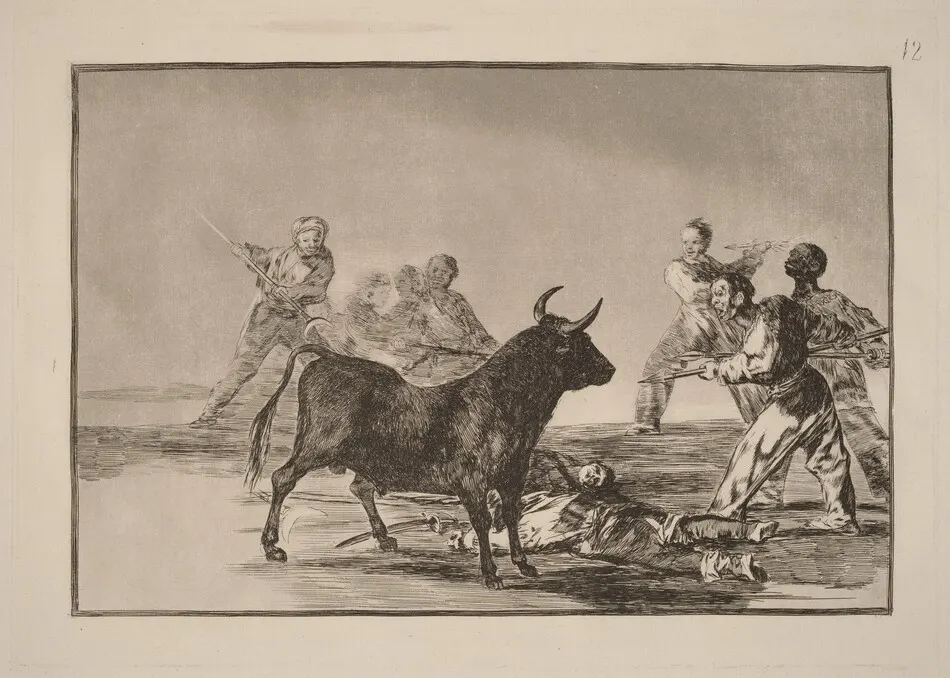
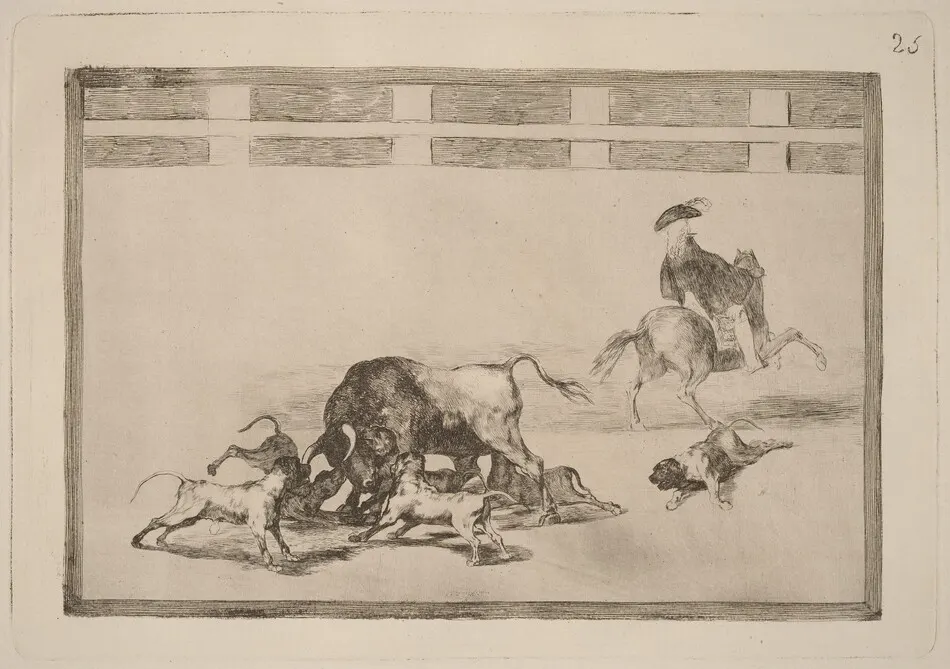
Desjarrete de la canalla con lanzas, medias-lunas, banderillas y otras armas (The Rabble Hamstring the Bull with Lances, Sickles, Banderillas and Other Arms)
in or before 1816
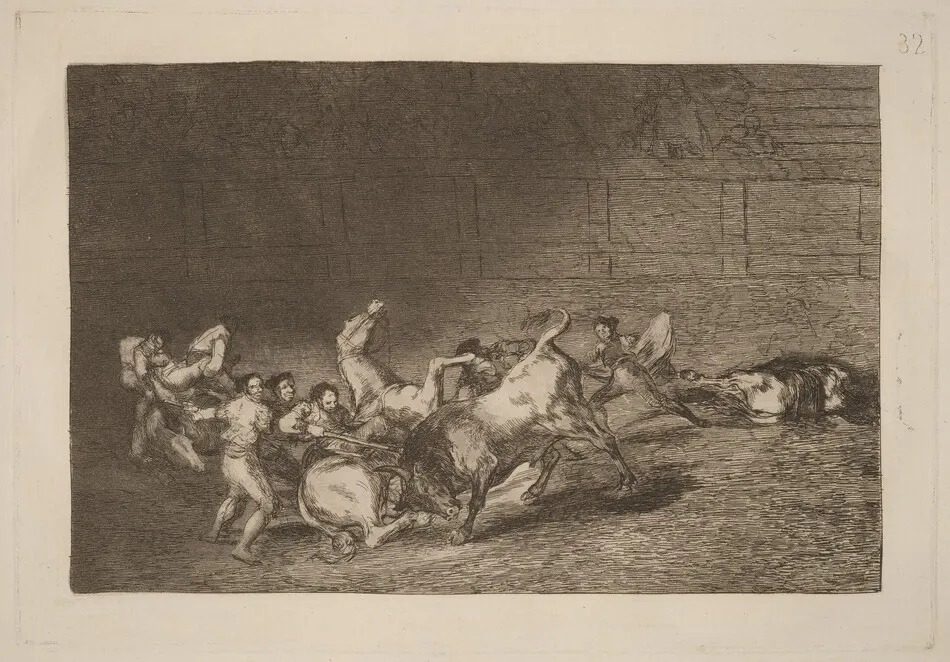
Dos grupos de picadores arrollados de seguida por un solo toro (Two Teams of Picadors Thrown One after the Other by a Single Bull)
in or before 1816
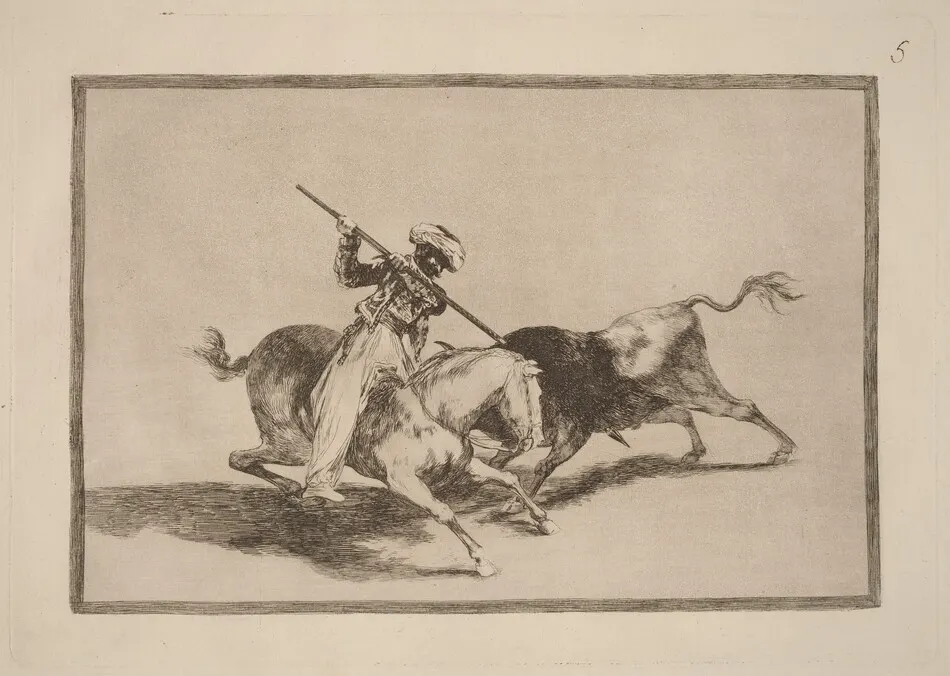
El animoso moro Gazul es el primero que lanceo toros en regla (The Spirited Moor Gazul is the First to Spear Bulls According to Rules)
in or before 1816
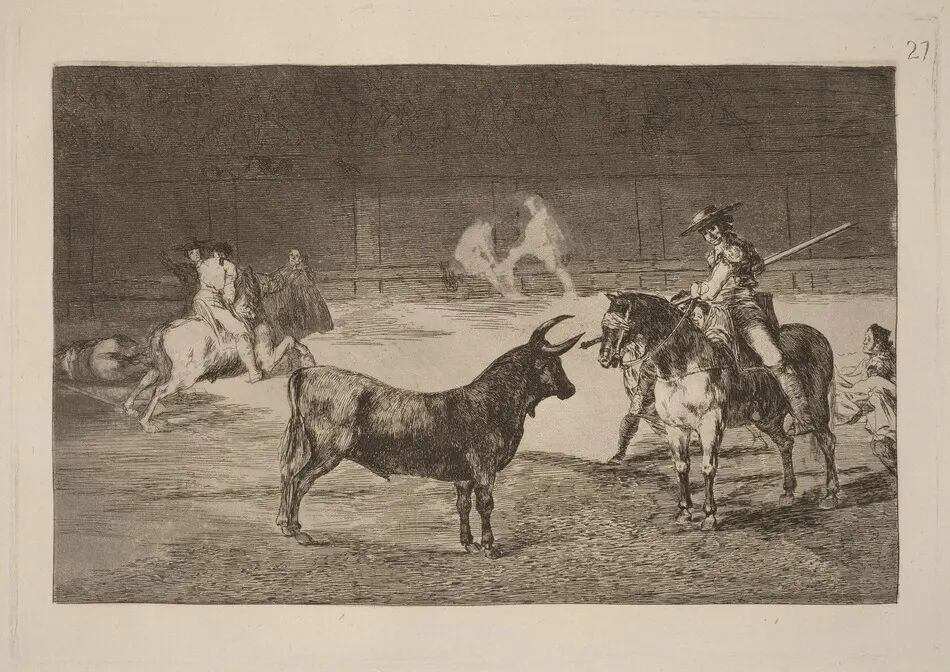
El celebre Fernando del Toro, barilarguero, obligando a la fiera con su garrocha (The celebrated Picador, Fernando del Toro, Draws the Fierce Beast on with His Pique)
in or before 1816
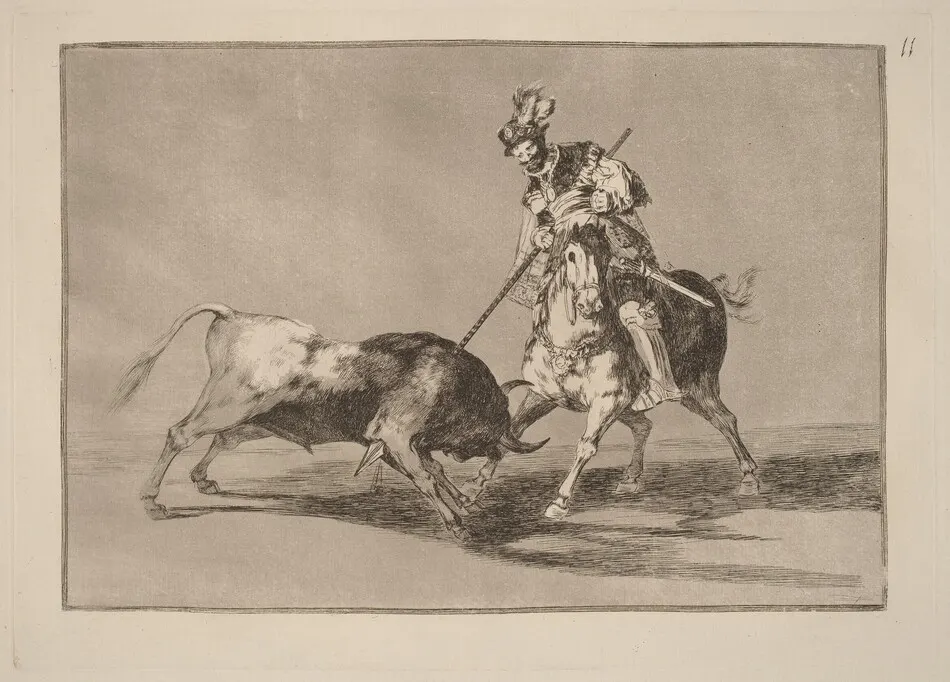
El Cid Campeador lanceando otro toro (The Cid Campeador Spearing Another Bull)
in or before 1816
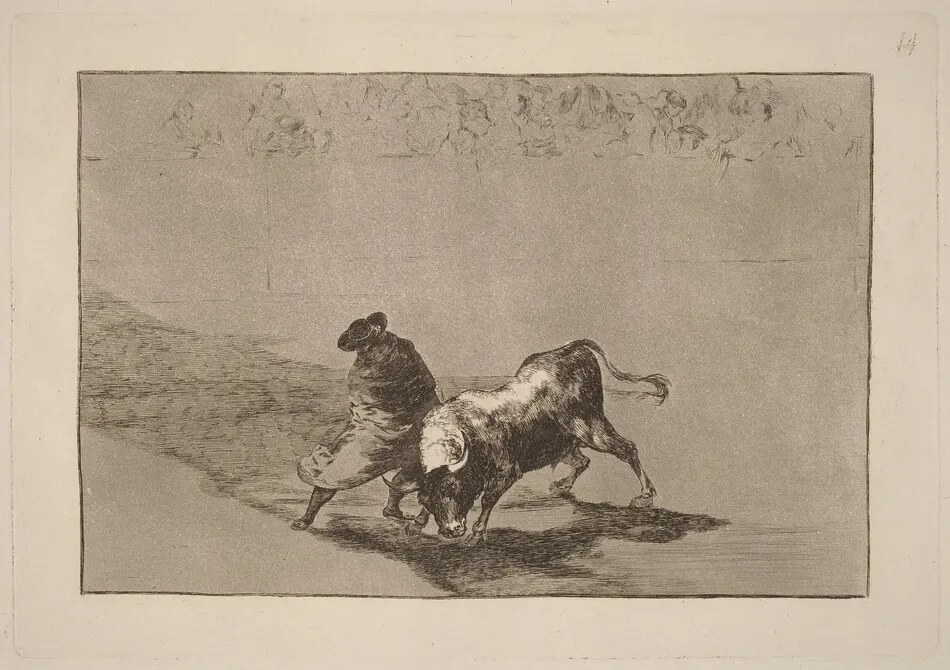
El diestrisimo estudiante de Falces, embozadoburla al toro con sus quiebros (The Very Skillful Student of Falces, Wrapped in His Cape, Tricks the Bull with the Play of His Body)
in or before 1816
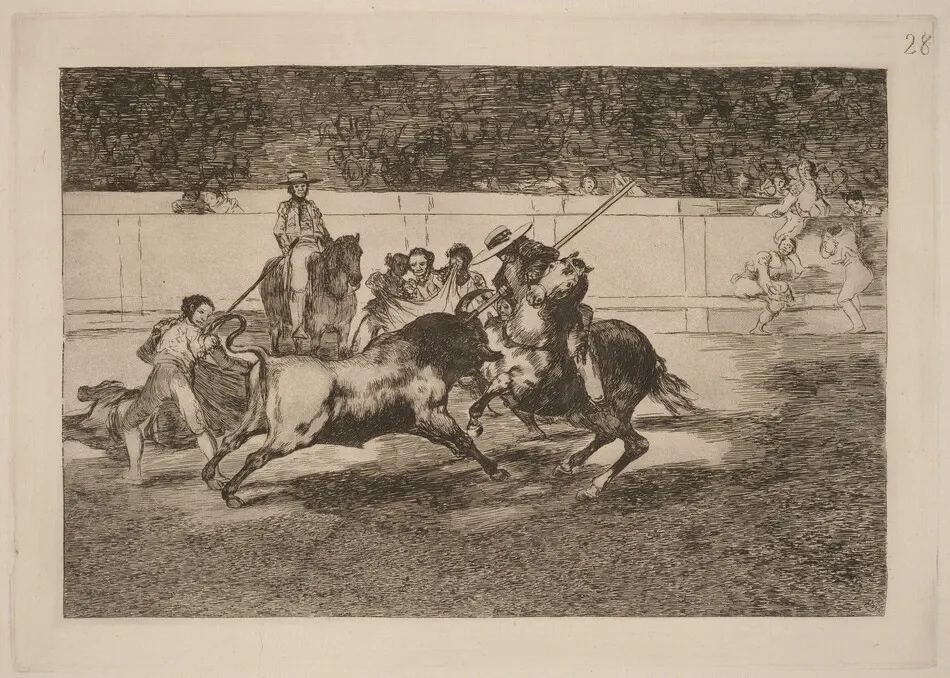
El esforzado Rendon picando un toro, de cuya suerte murio en plaza de Madrid (The Forceful Rendon Stabs a Bull with the Pique, from Which Pass He Died in the Ring at Madrid)
in or before 1816
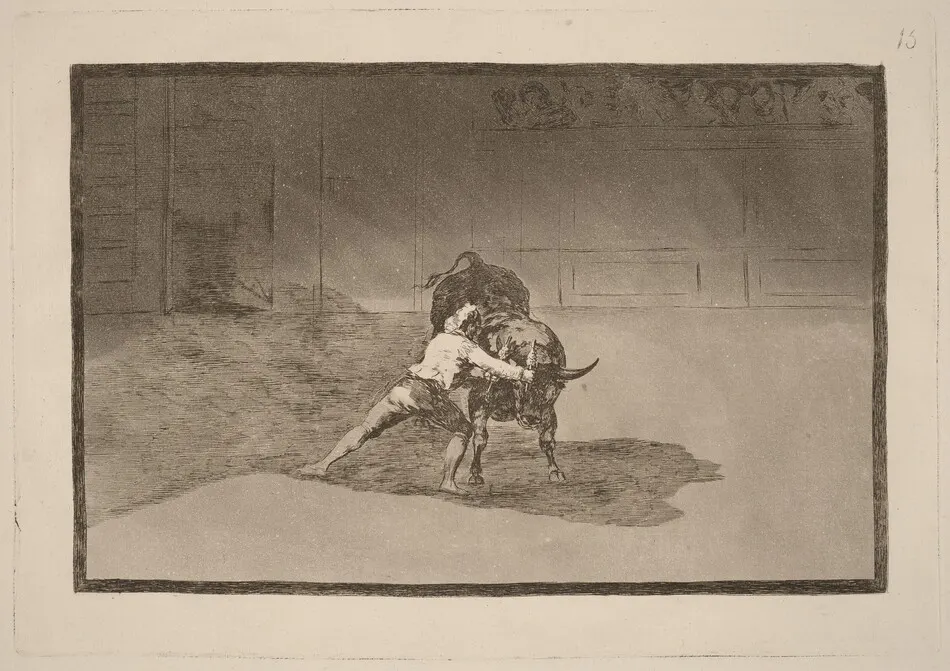
El famoso Martincho poniendo banderillas al quiebro (The Famous Martincho Places the Banderillas Playing the Bull with the Movement of His Body)
in or before 1816
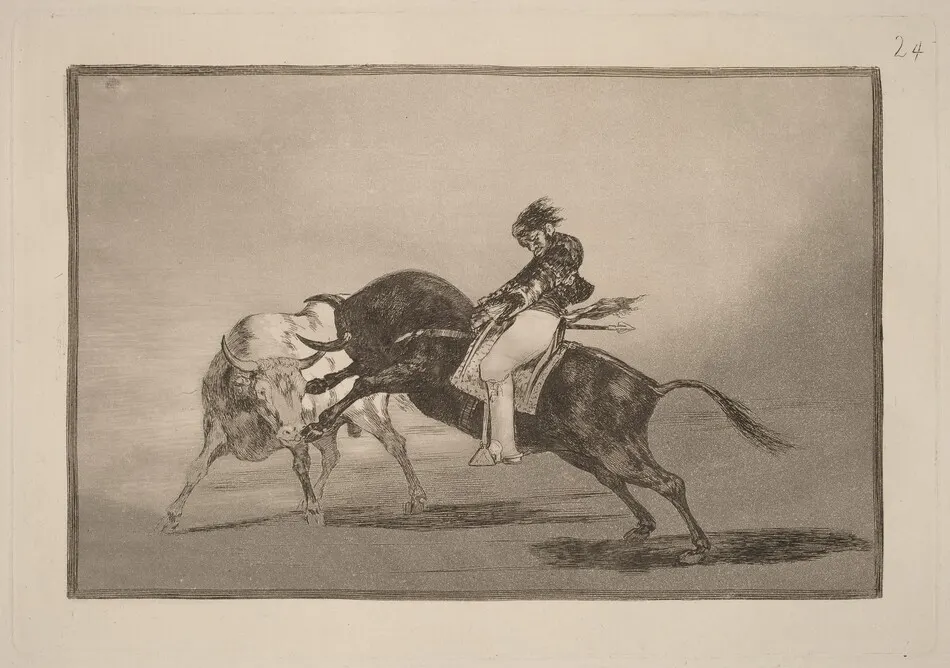
El mismo Ceballos montado sobre otro toro quiebra rejones en la plaza de Madrid (The Same Ceballos Mounted on Another Bull Breaks Short Spears in the Ring at Madrid)
in or before 1816
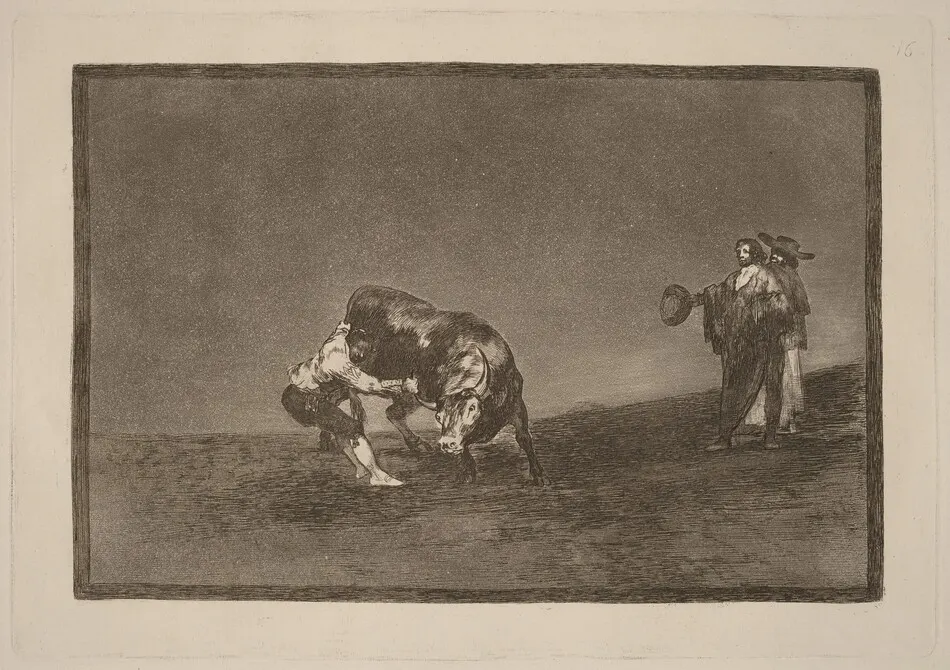
El mismo vuelca un toro en la plaza de Madrid (The Same Man Throws a Bull in the Ring at Madrid)
in or before 1816
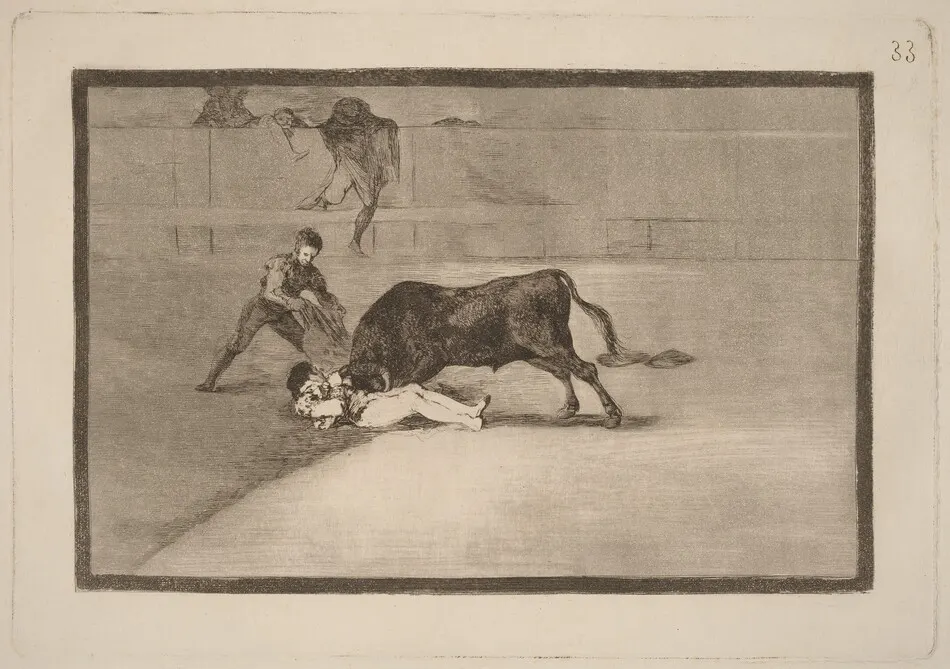
La desgraciada muerte de Pepe Illo en la plaza de Madrid (The Unlucky Death of Pepe Illo in the Ring at Madrid)
in or before 1816
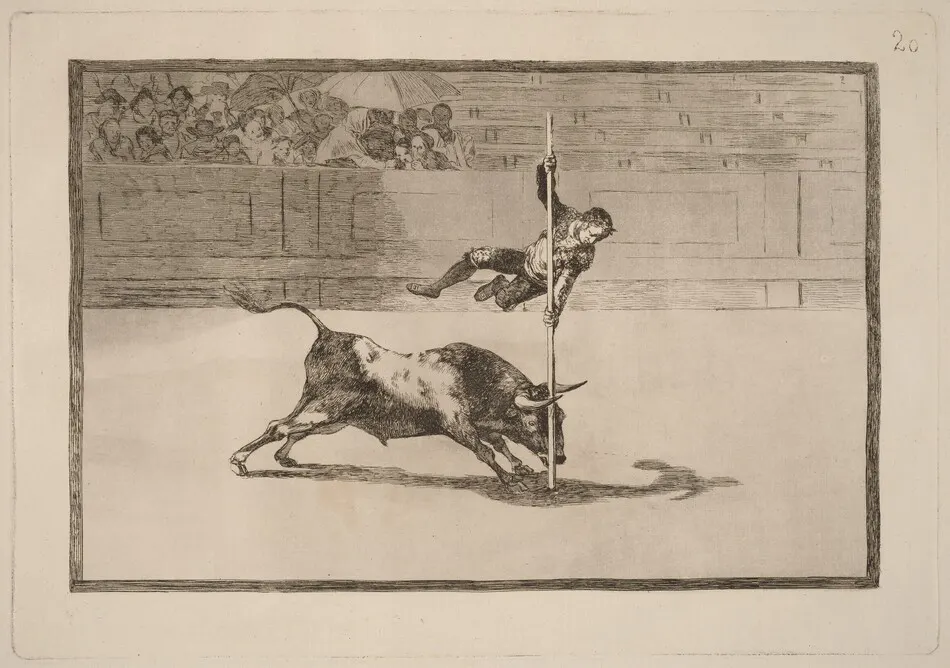
Ligereza y atrevimiento de Juanito Apinani en la de Madrid (The Agility and Audacityof Juanito Apinani in the Ring at Madrid)
in or before 1816
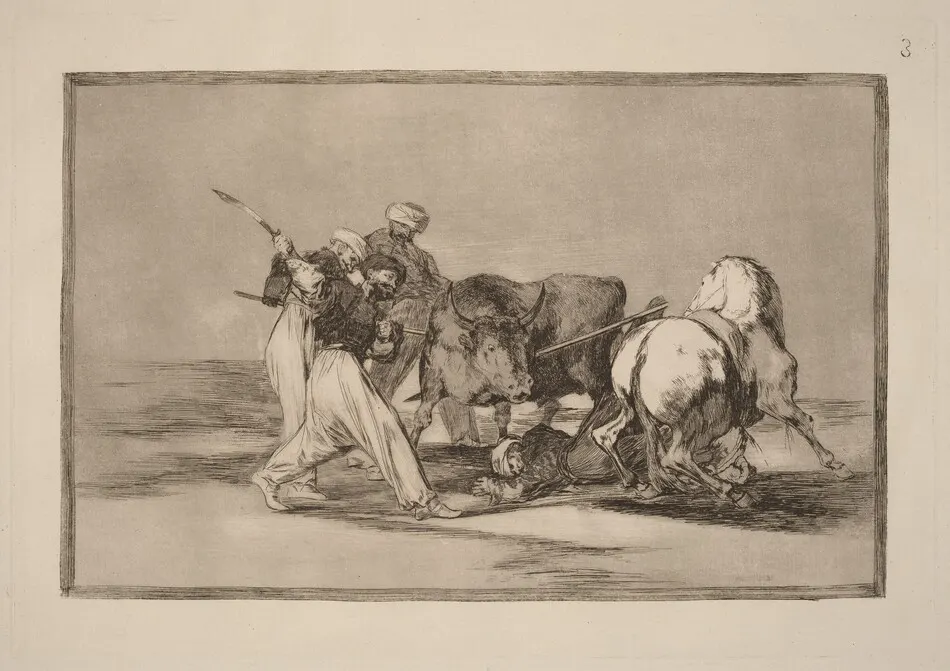
Los moros establecidos en Espana, prescindiendo de las supersticiones de su Alcoran, adoptaron esta caza y arte, y lancean un toro en el campo (The Moors Settled in Spain, Giving up the Superstitions of the Koran, Adopted This Art of Hunting, and Spear a Bull in the Open)
in or before 1816
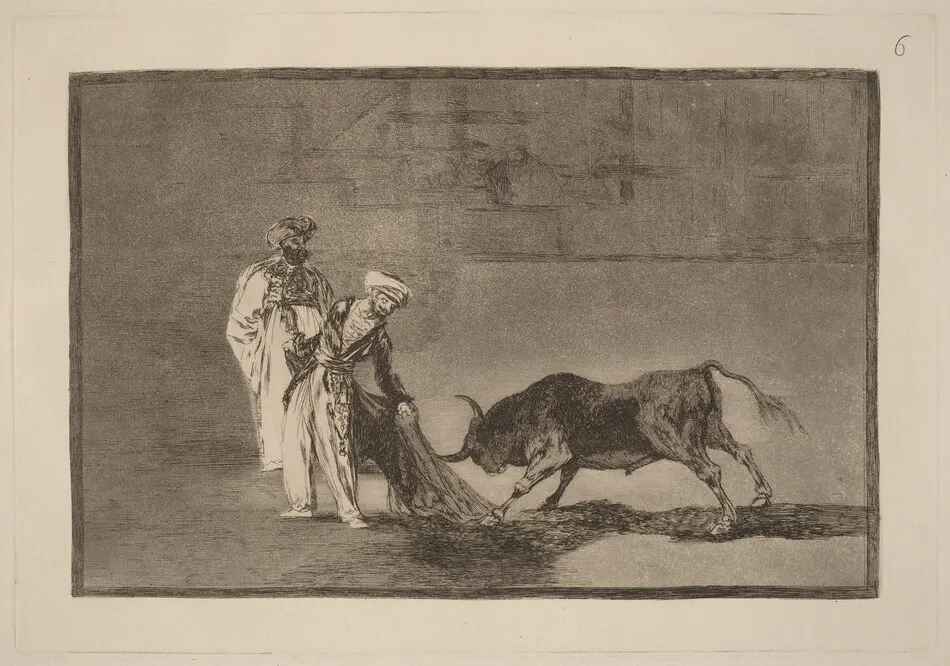
Los Moros hacen otro capeo en plaza con su albornoz (The Moors Make a Different Play in the Ring Calling the Bull with Their Burnous)
in or before 1816
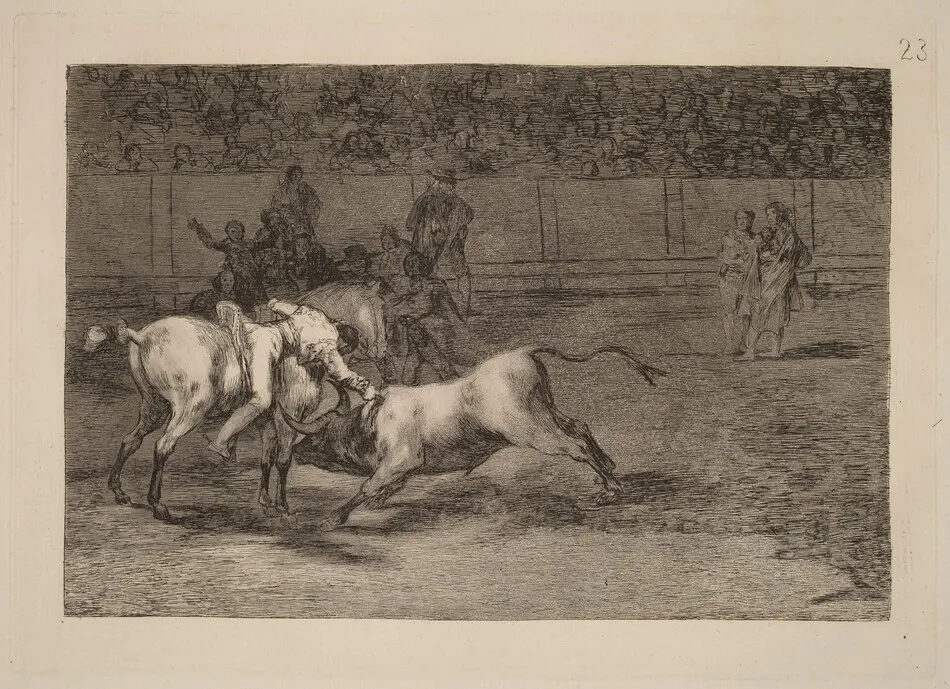
Mariano Ceballos, alias el Indio, mata el toro desde su caballo (Mariano Ceballos, Alias the Indian, Kills the Bull from His Horse)
in or before 1816
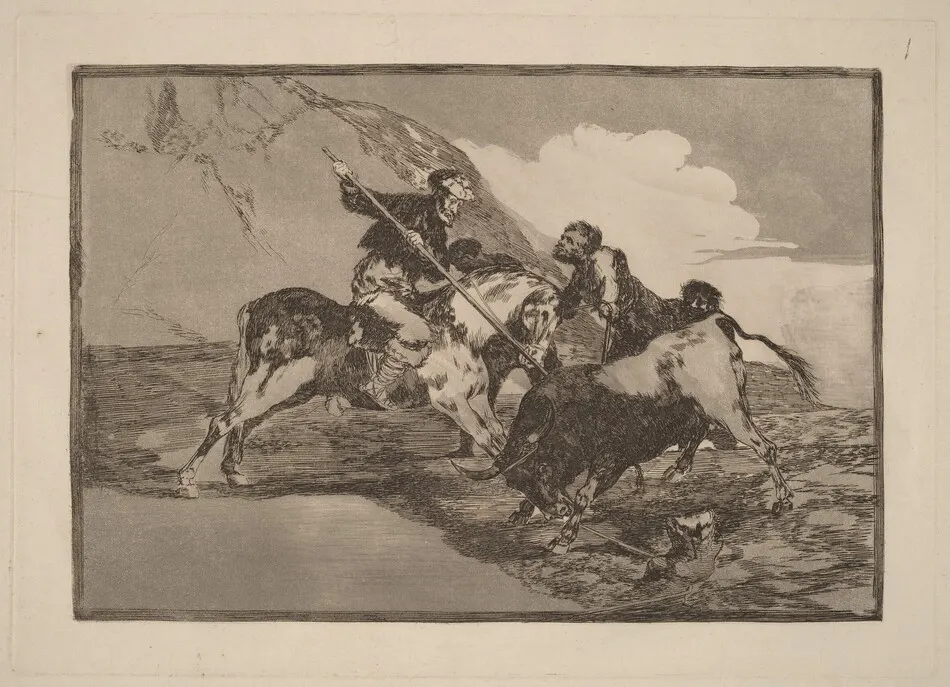
Modo con que los antiguos Espanoles cazaban los toros a caballo en el campo (The Way in which the Ancient Spaniards Hunted Bulls on Horseback in the Open Country)
in or before 1816
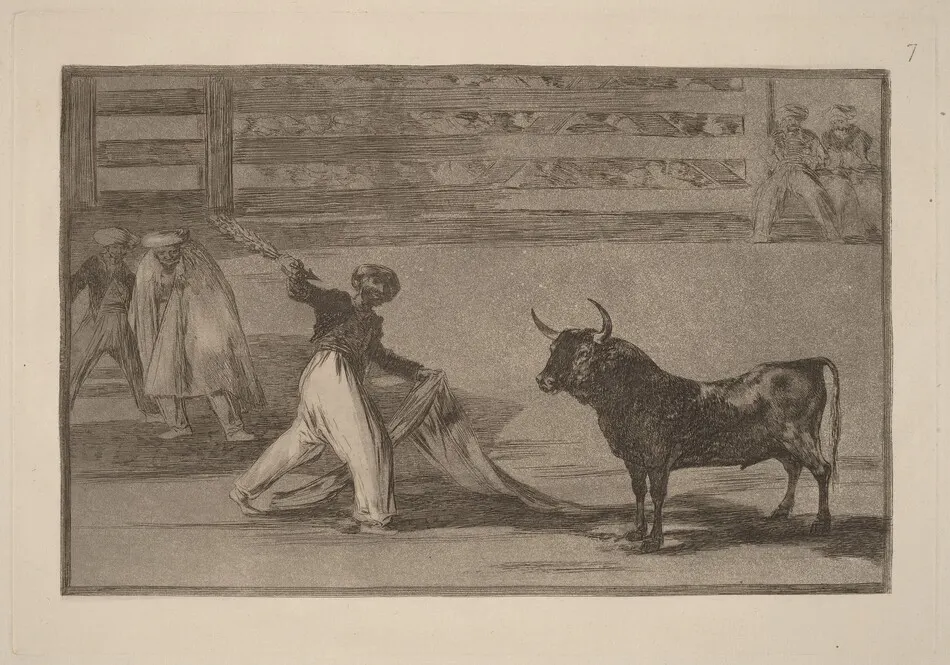
Origen de los arpones o banderillas (Origin of the Harpoons or Banderillas)
in or before 1816
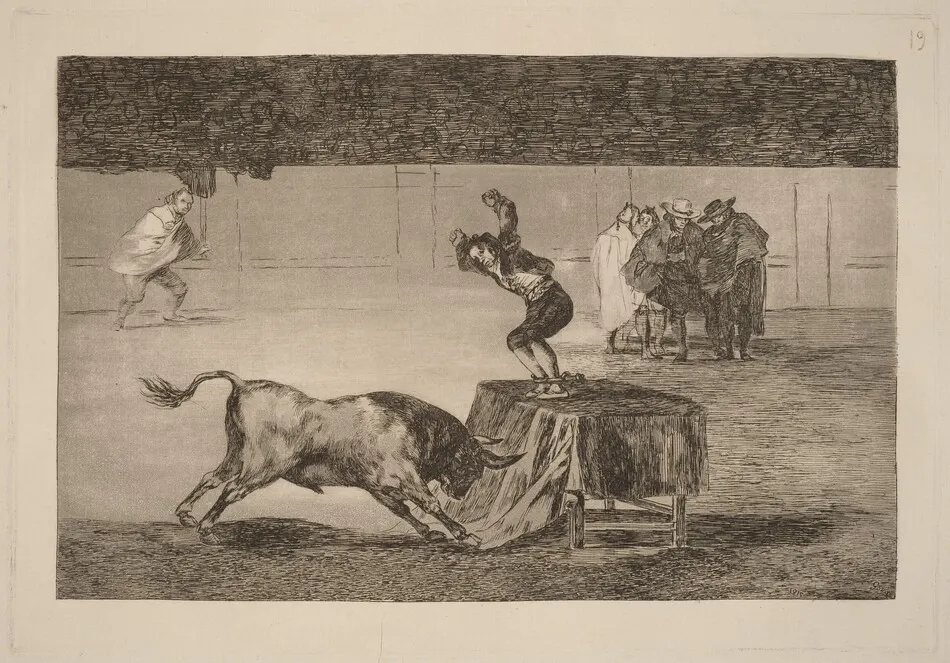
Otra locura suya en la misma plaza (Another Madness of His in the Same Ring)
in or before 1816
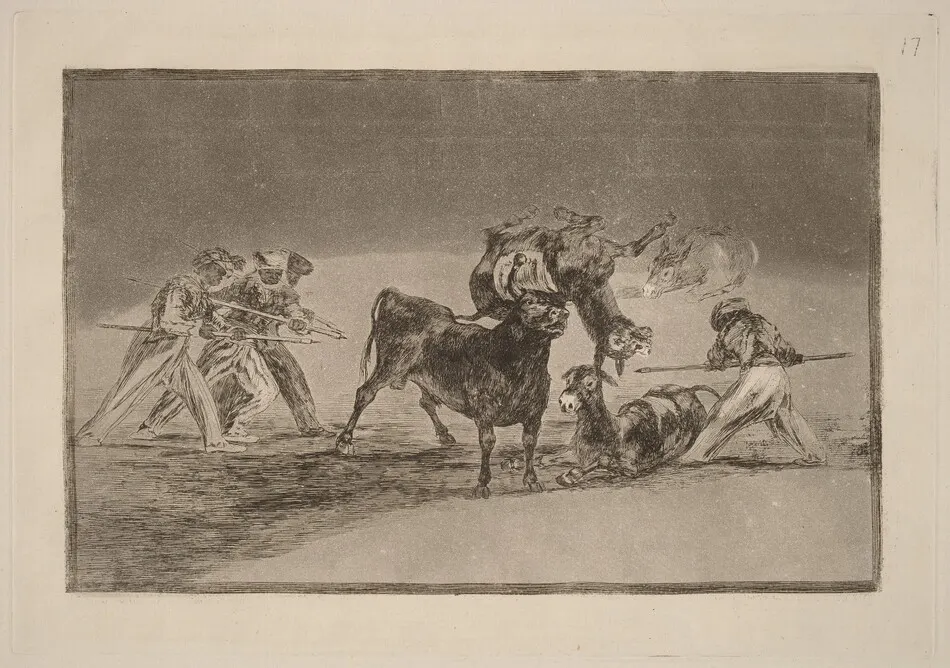
Palenque de los moros hecho con burros para defenderse del toro embolado (The Moors Use Donkeys as a Barrier to Defend Themselves against the Bull Whose Horns have been Tipped with Balls)
in or before 1816
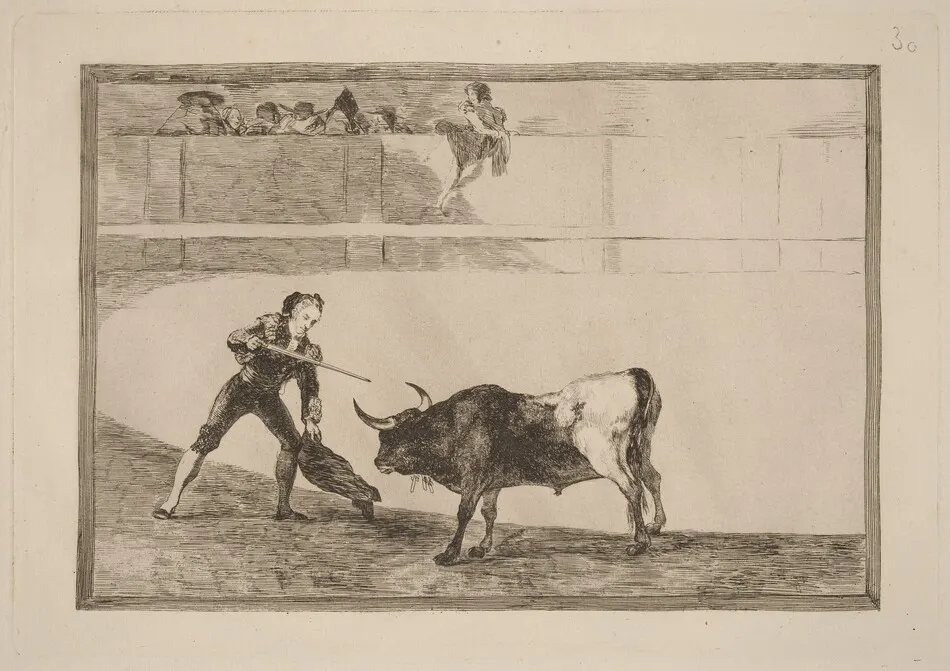
Pedro Romero matando a toro parado (Pedro Romero Killing the Halted Bull)
in or before 1816
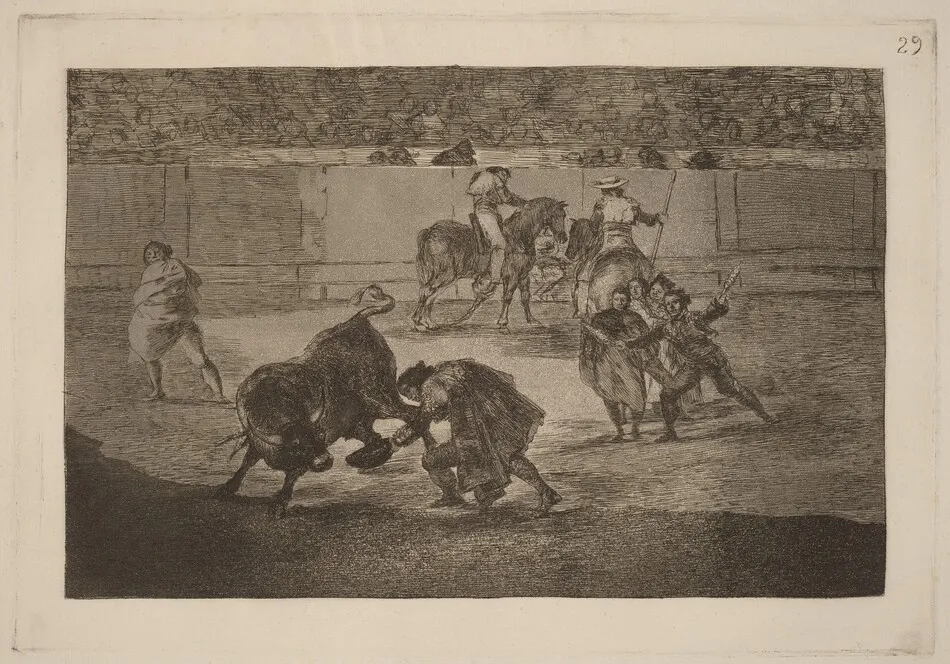
Pepe Illo haciendo el recorte al toro (Pepe Illo Making the Pass of the "Recorte")
in or before 1816
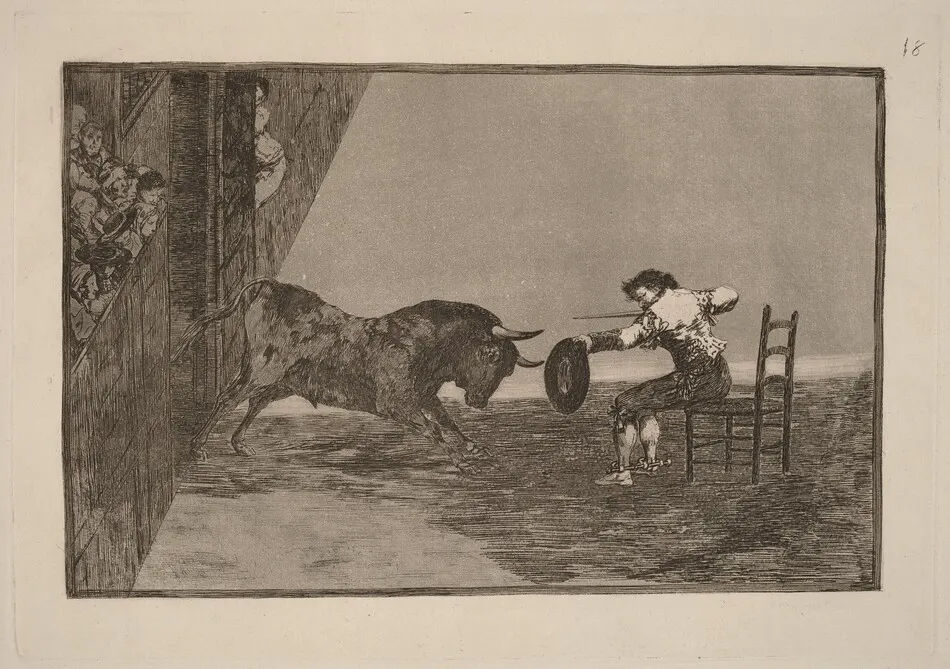
Temeridad de martincho en la plaza de Zaragoza (The Daring of Martincho in the Ring a t Saragossa)
in or before 1816
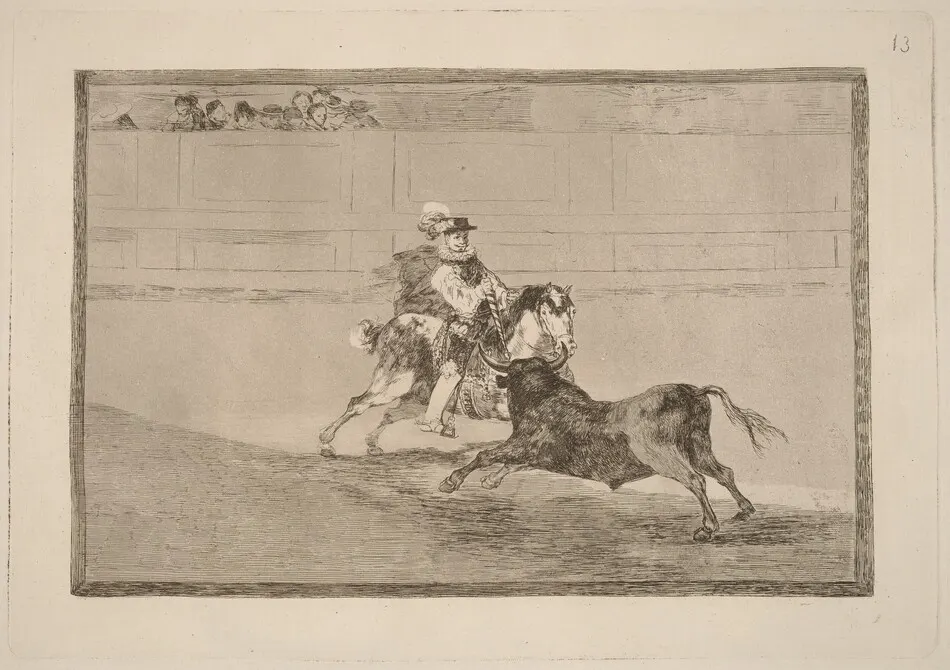
Un caballero espanol en plaza quebrando rejoncillos sin auxilio de los chulos (A Spanish Mounted Knight in the Ring Breaking Short Spears without the Help of Assistants)
in or before 1816
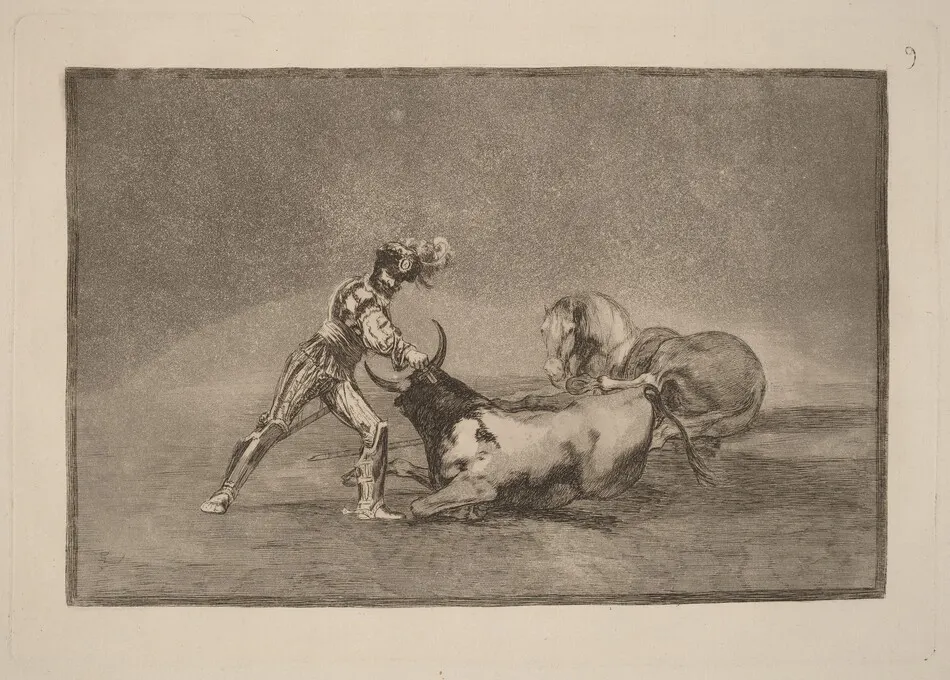
Un caballero espanol mata un toro despues de haber perdido el caballo (A Spanish Knight Kills the Bull after Having Lost His Horse)
in or before 1816
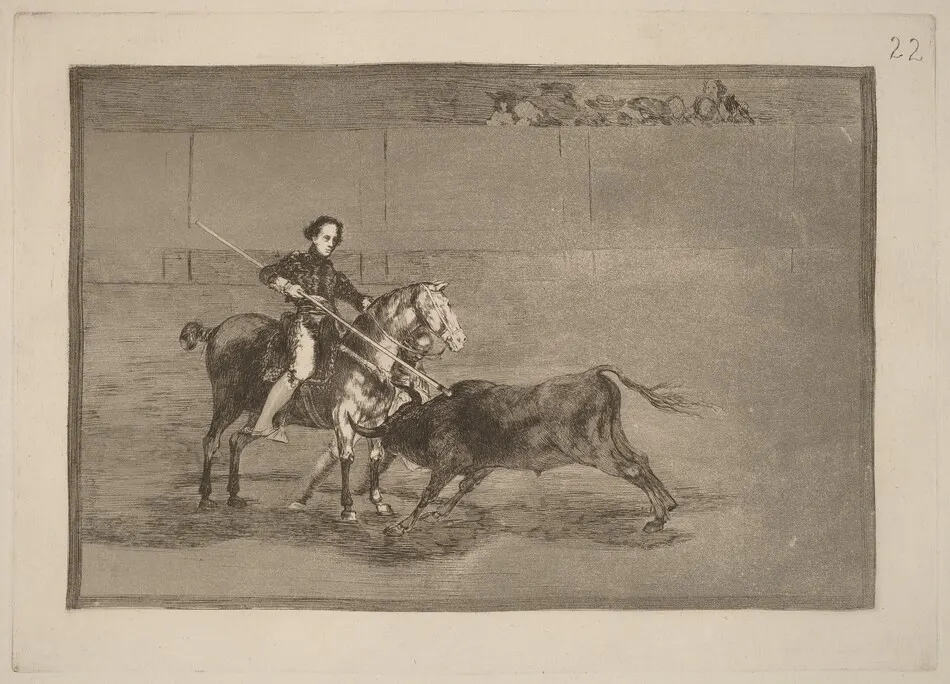
Valor varonil de la celebre Pajuelera en la de Zaragoza (Manly Courage of the Celebrated Pajuelera in the Ring at Saragossa)
in or before 1816
Los Disparates, or Proverbios
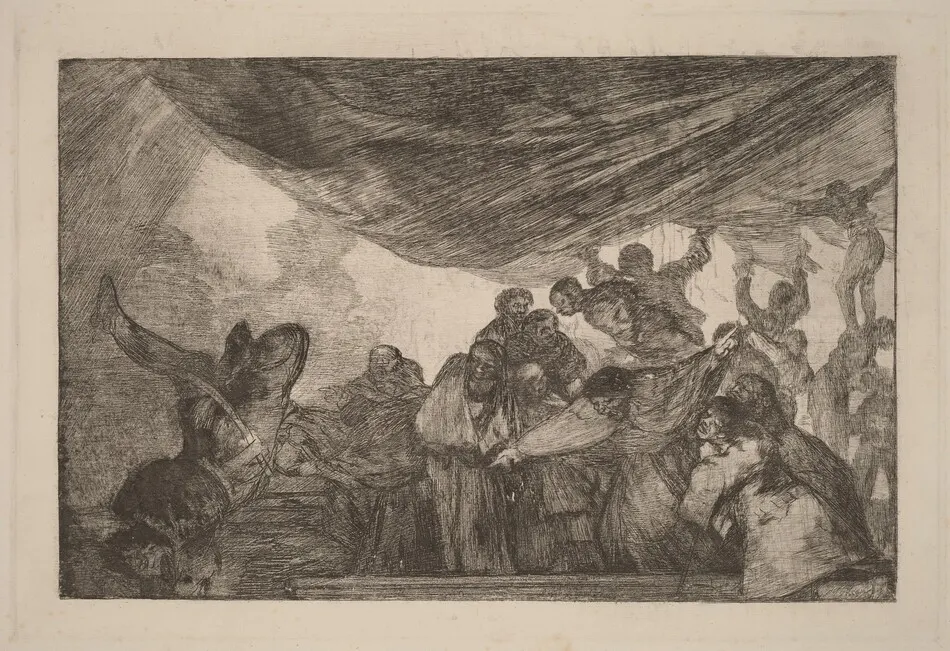
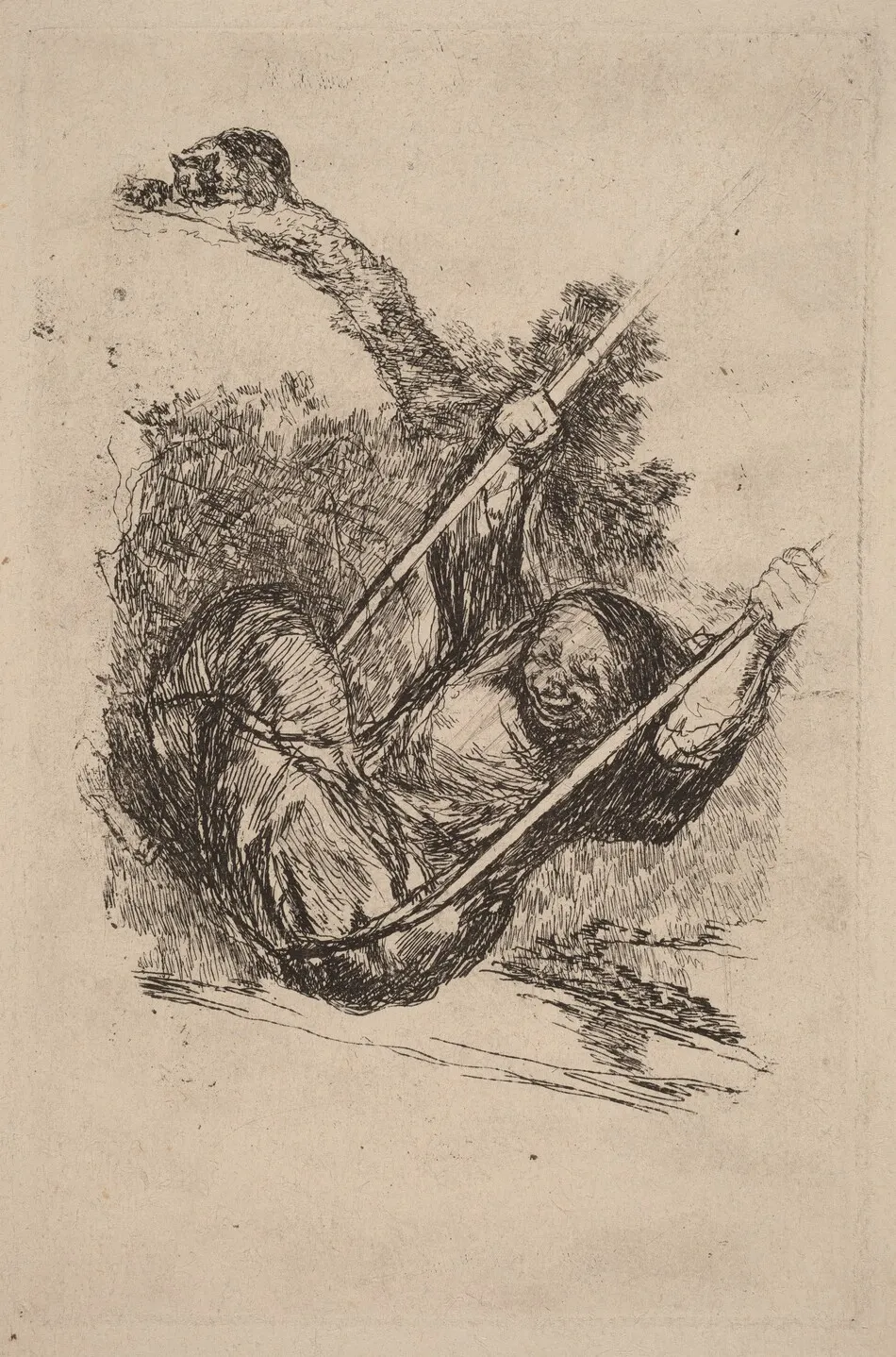
20 worksThe strangest and least explained of the series: figures on a collapsing branch, a horse carrying off a woman, men strapped to mechanical wings. Goya left them untitled and unpublished, and the two names they carry, Disparates (follies) and Proverbios, were both applied by other people after his death. Modo de volar, a way of flying, is the best known.
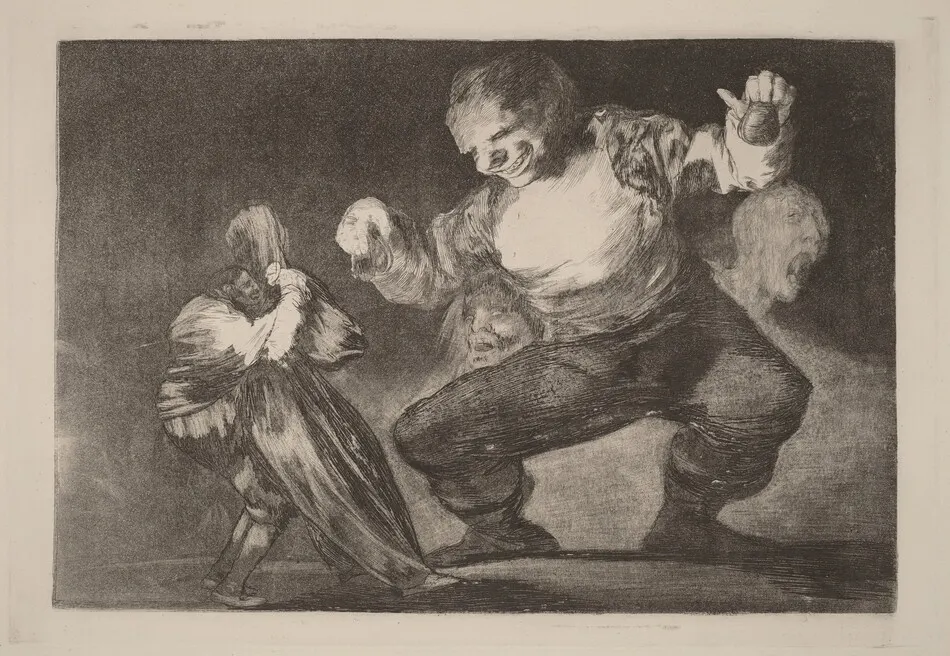
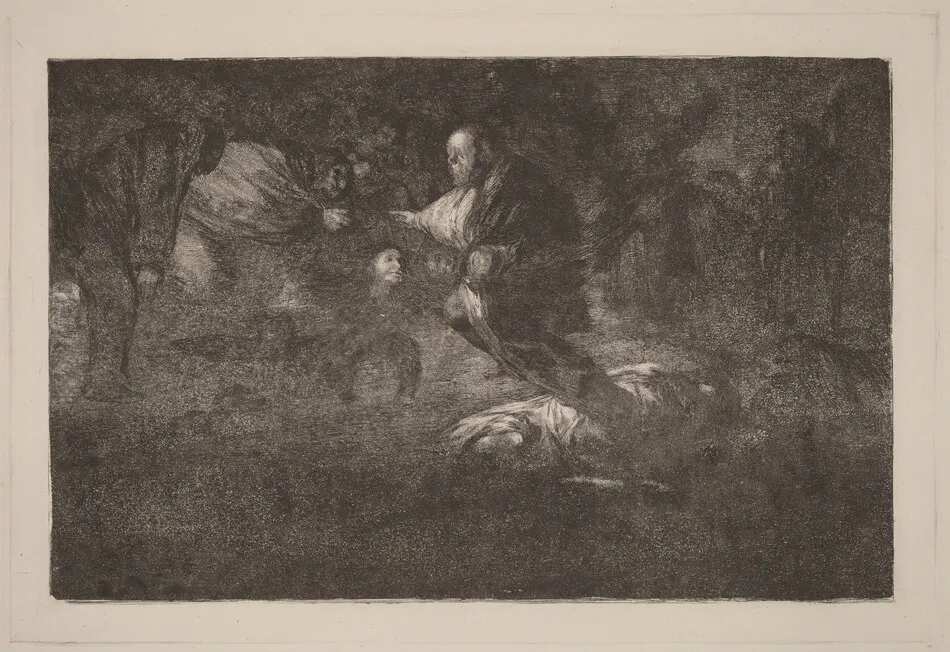
Dios los cria y ellos se juntan (God Creates Them and They Join Up Together)
in or after 1816
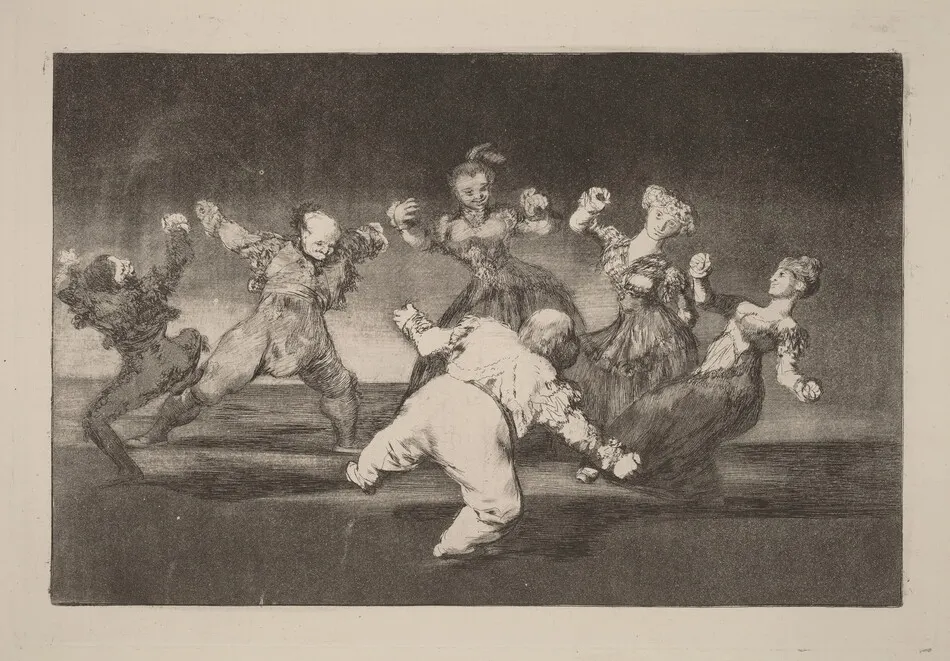
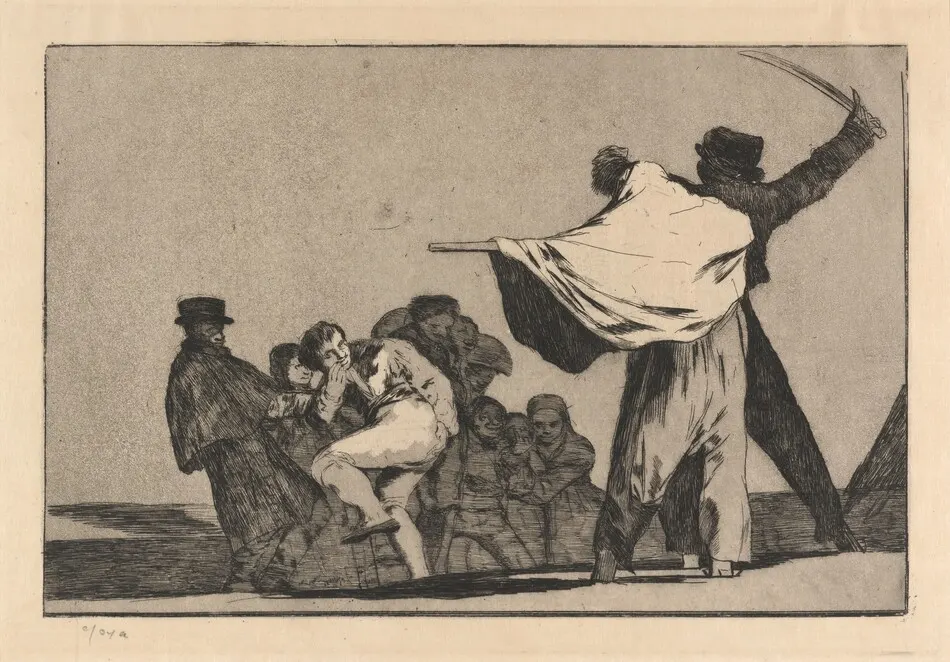
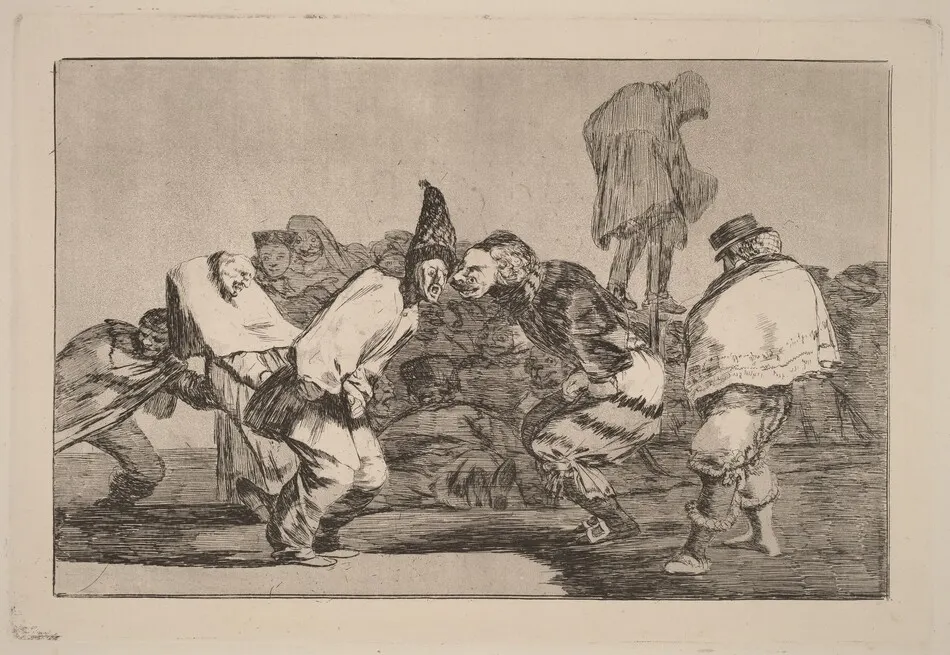
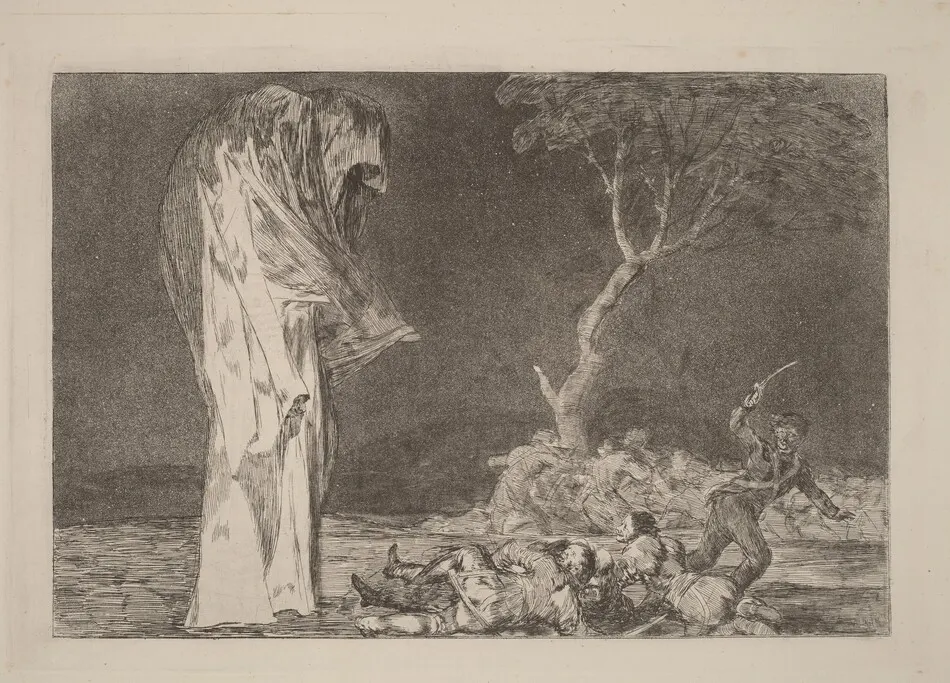
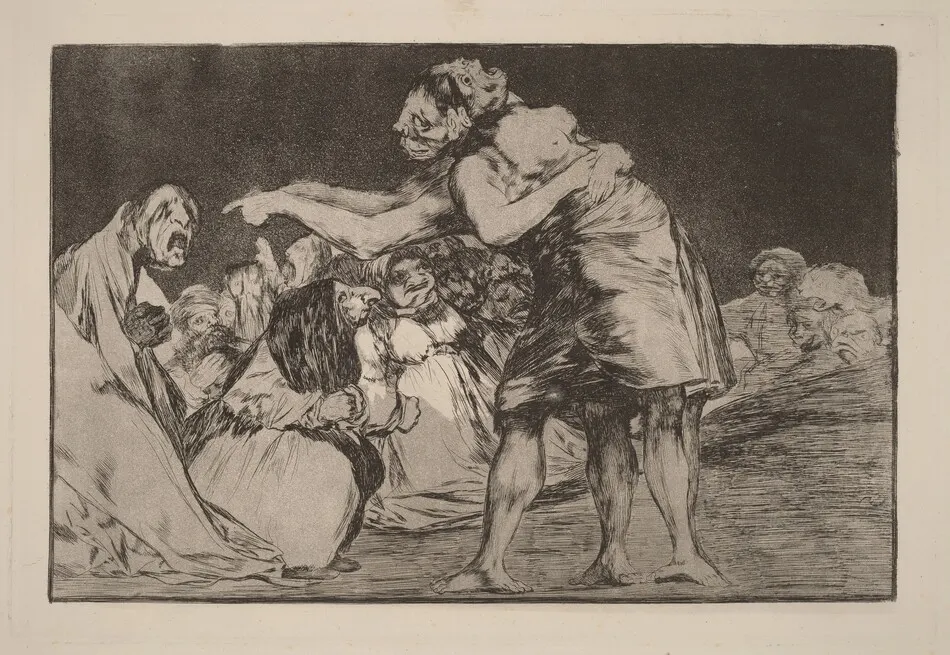
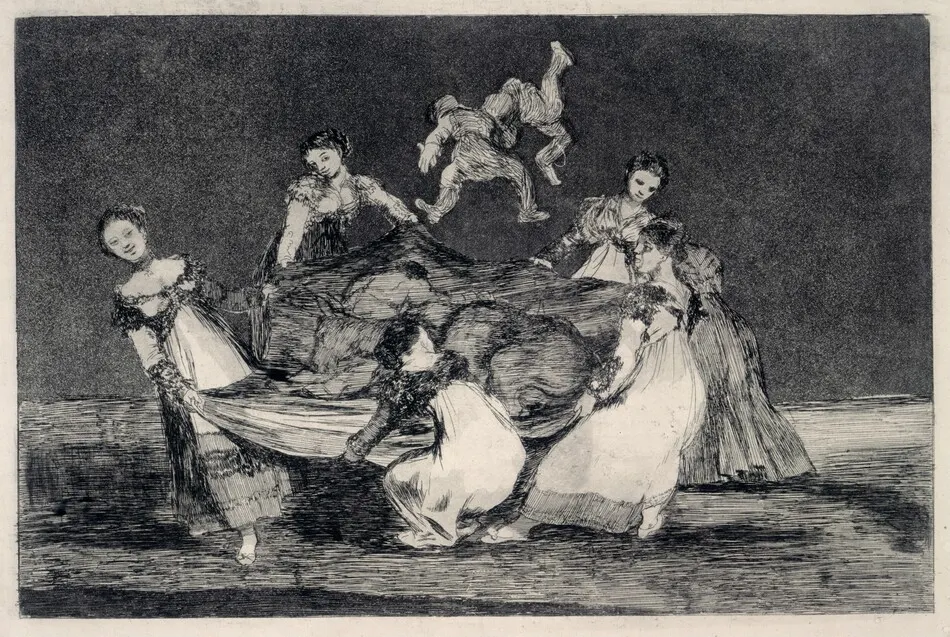
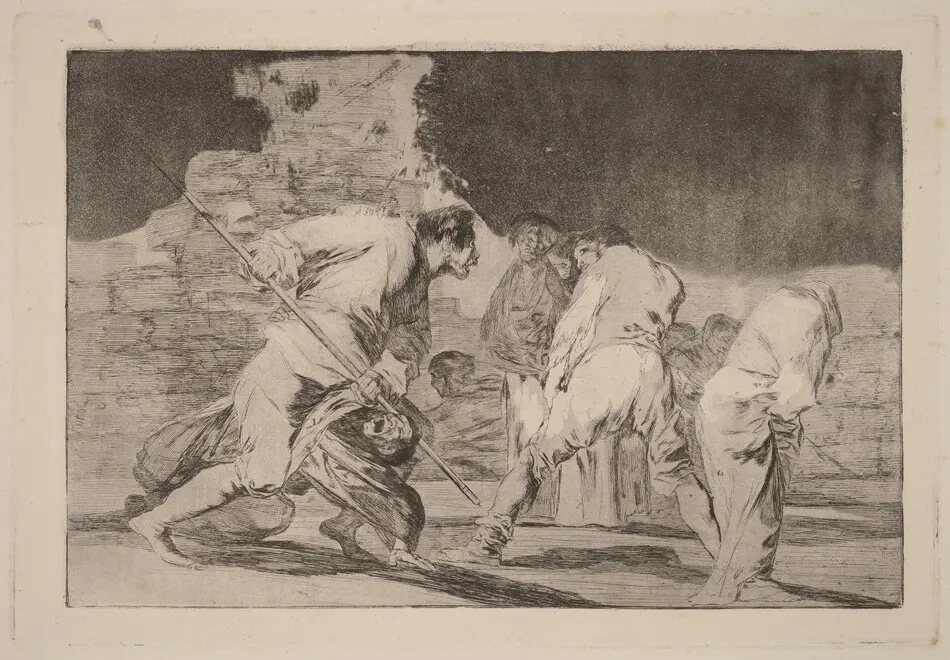
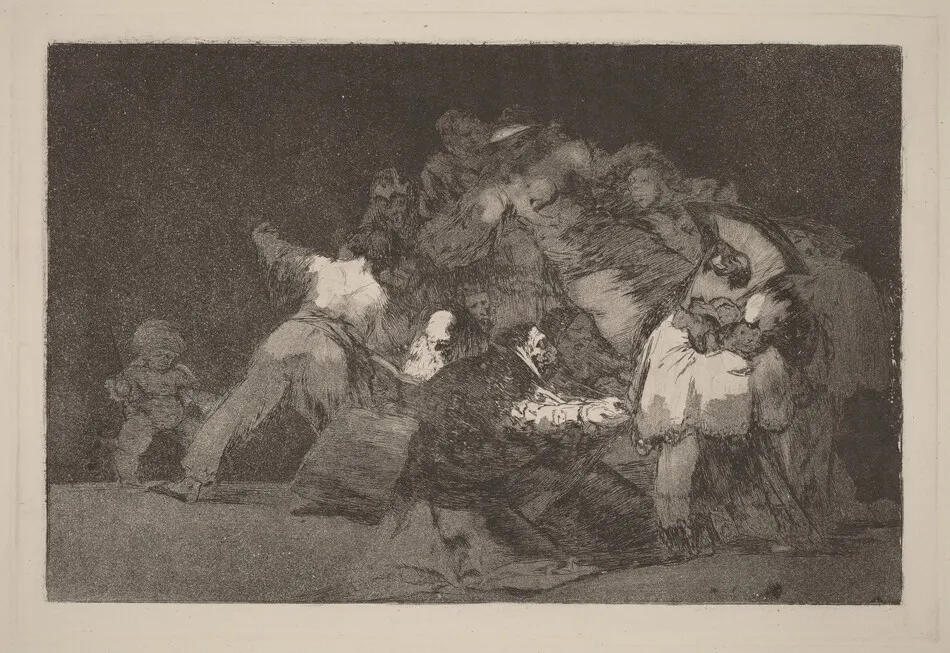
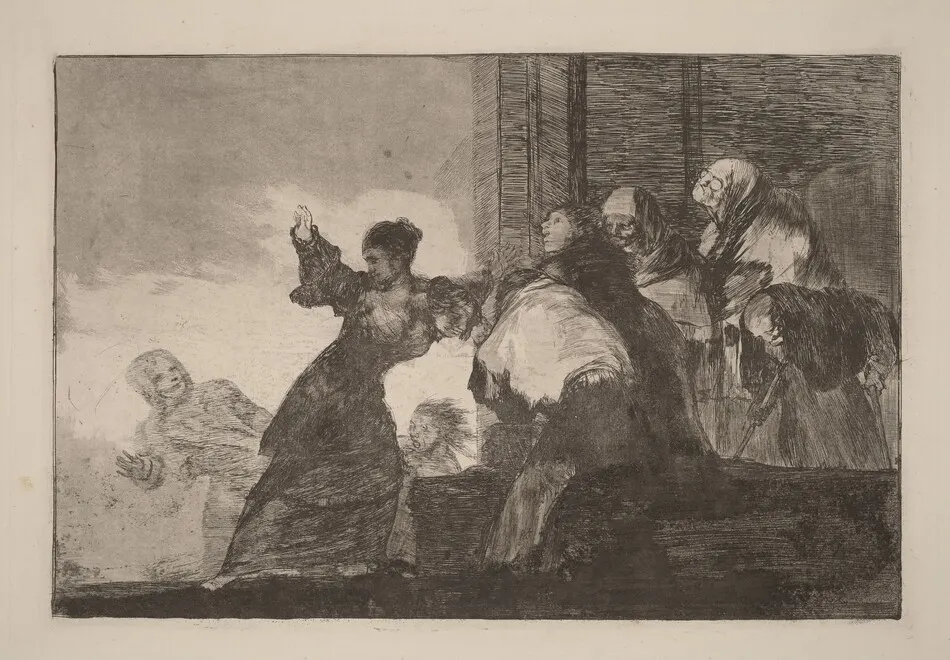
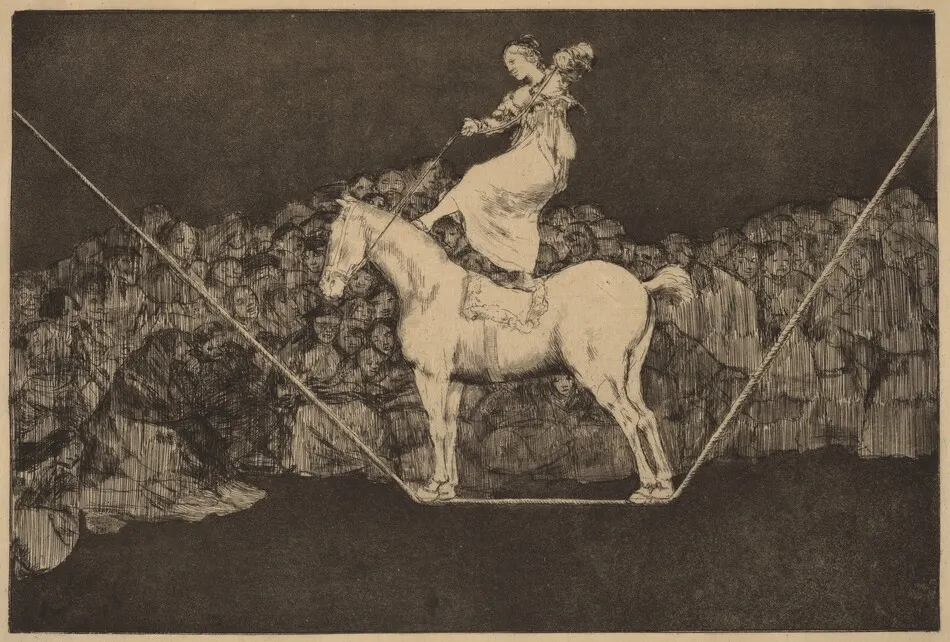
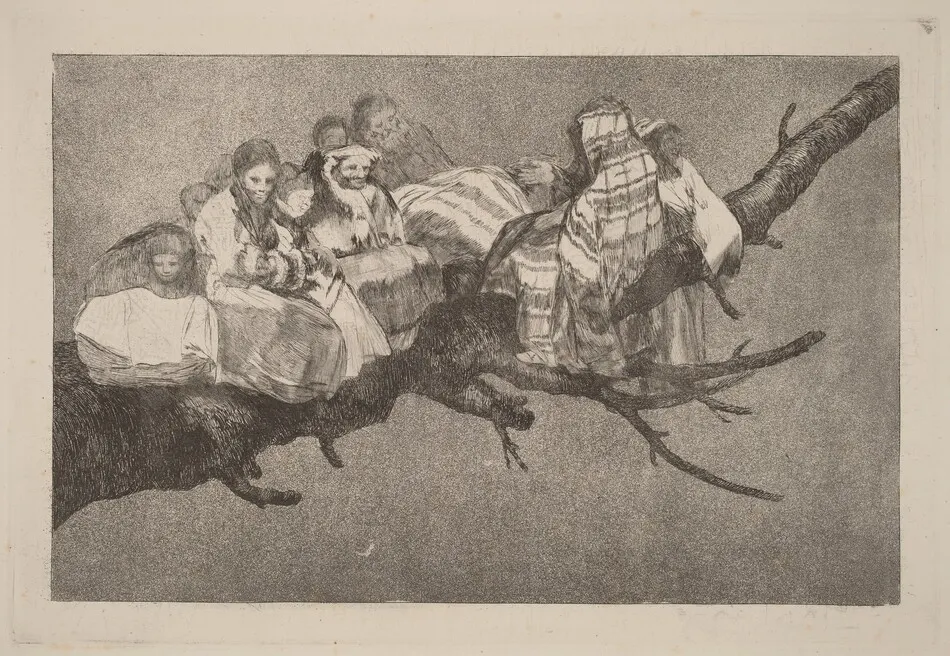
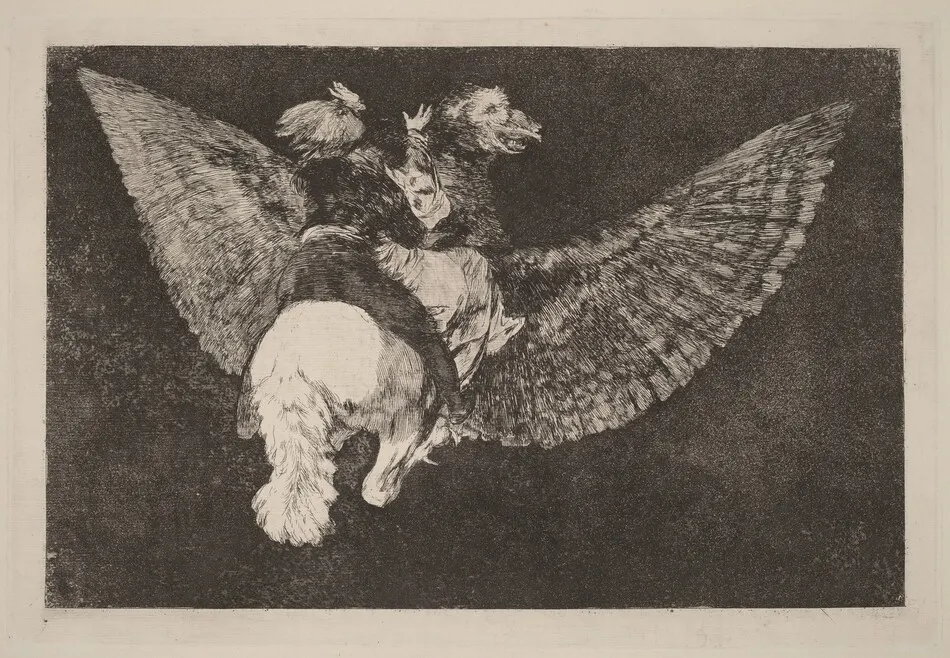
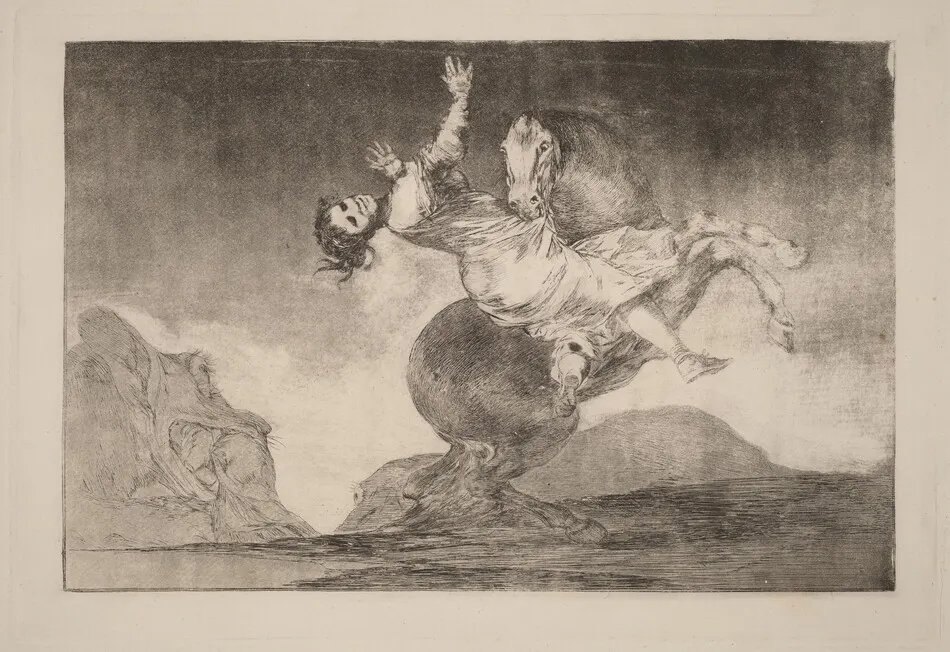
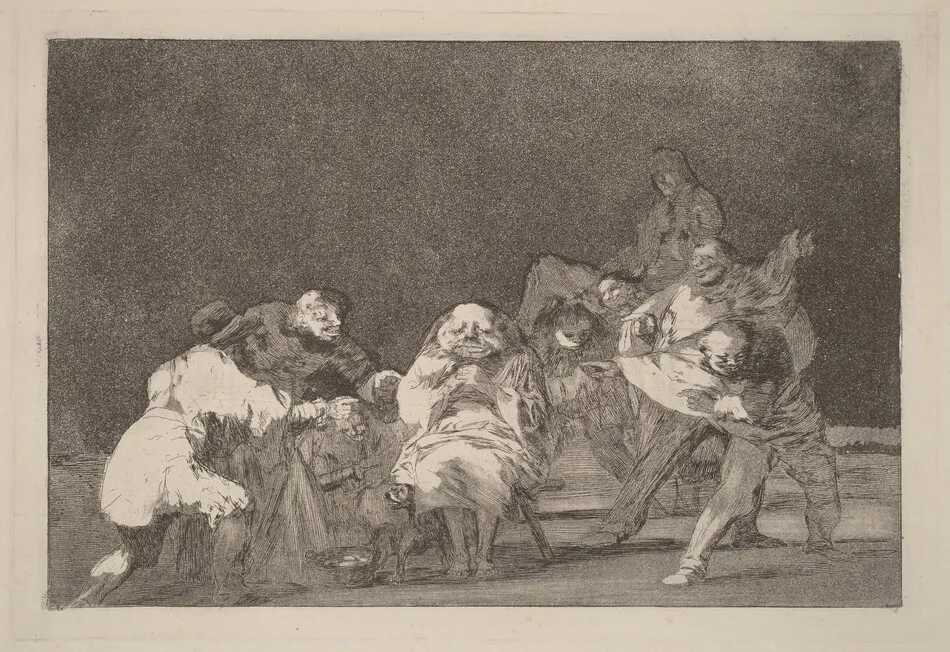
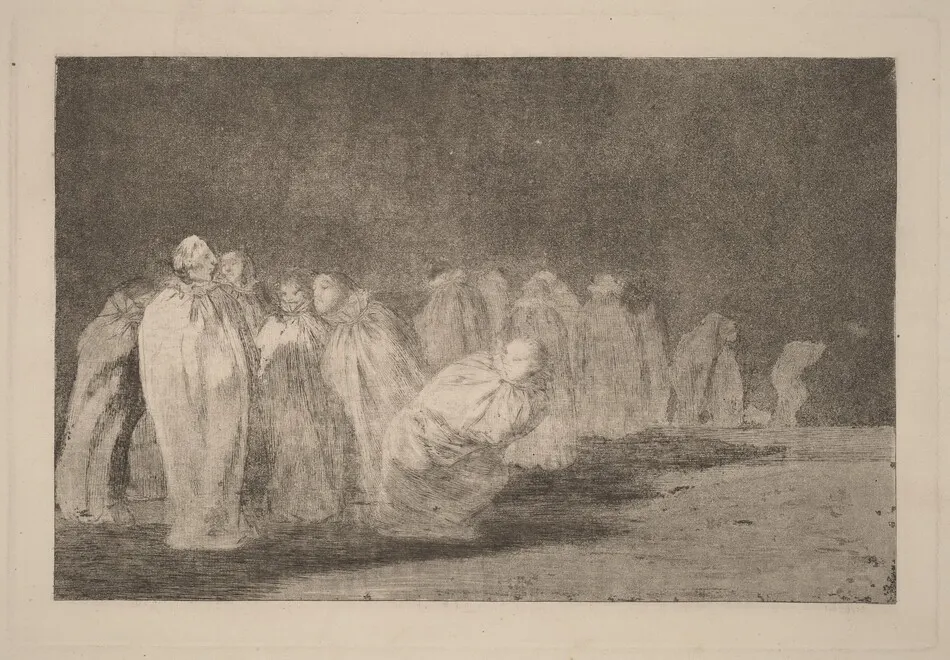
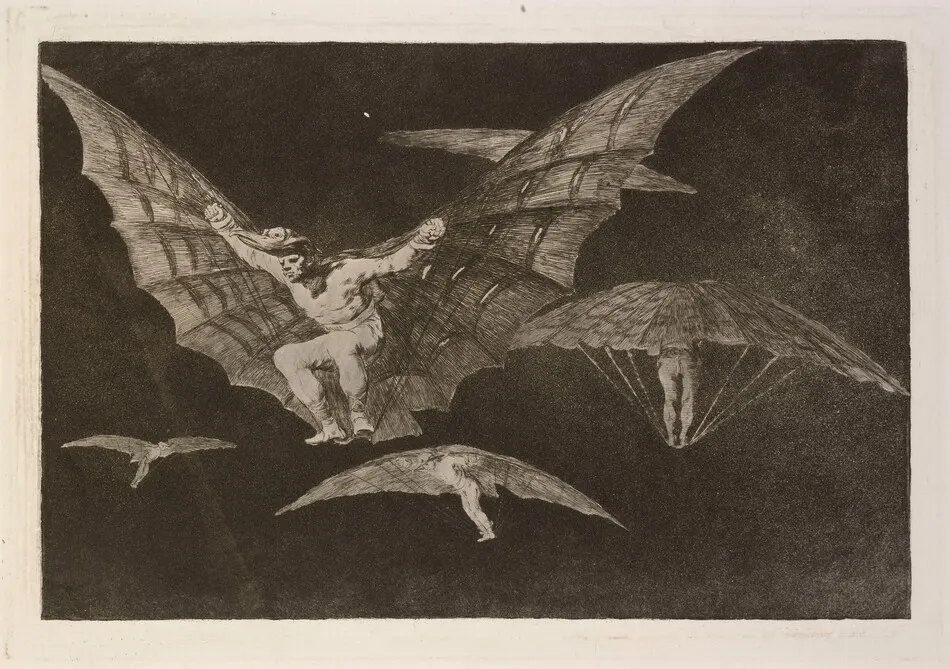
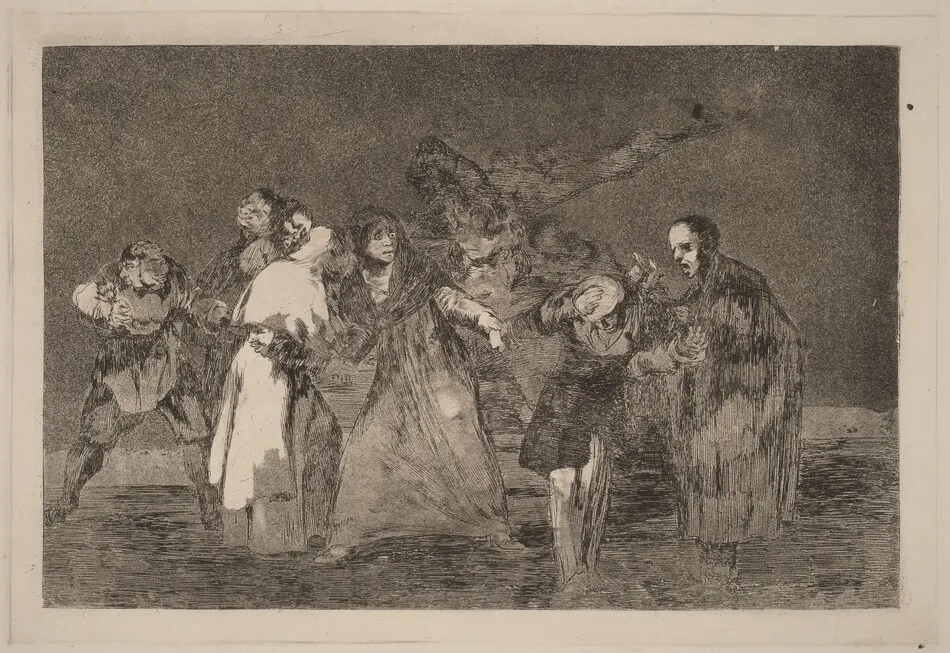
Sanan cuchilladas mas no malas palabras (Wounds Heal Quicker than Hasty Words)
in or after 1816
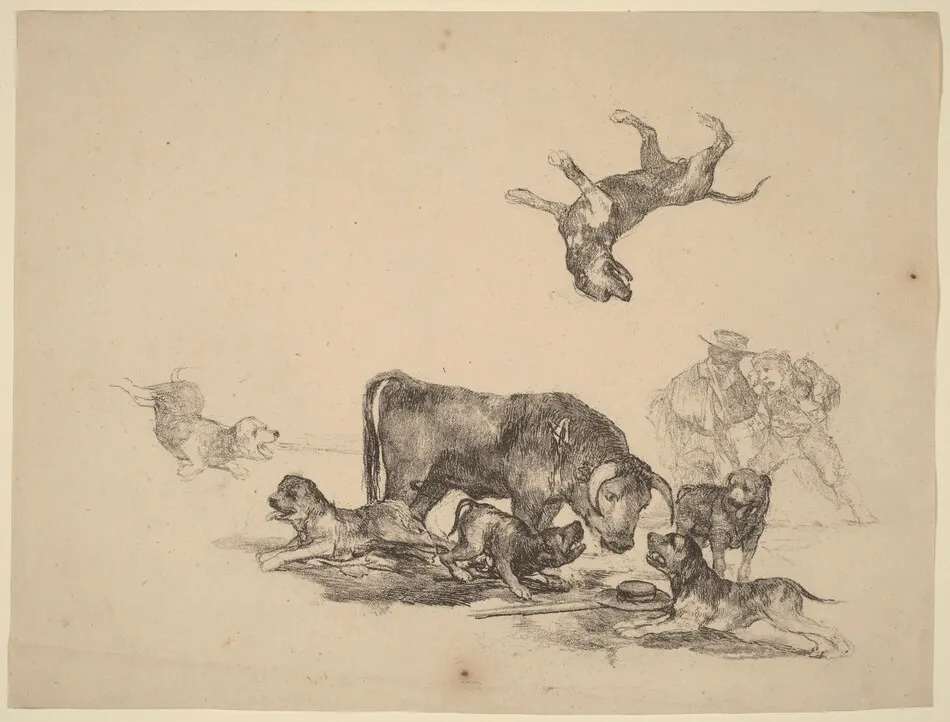
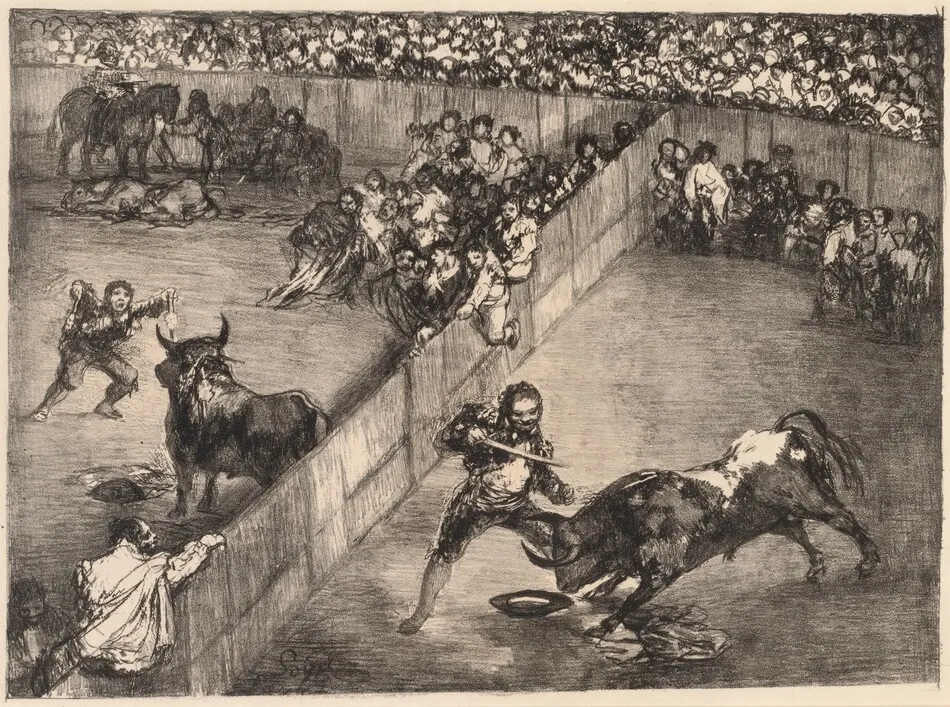
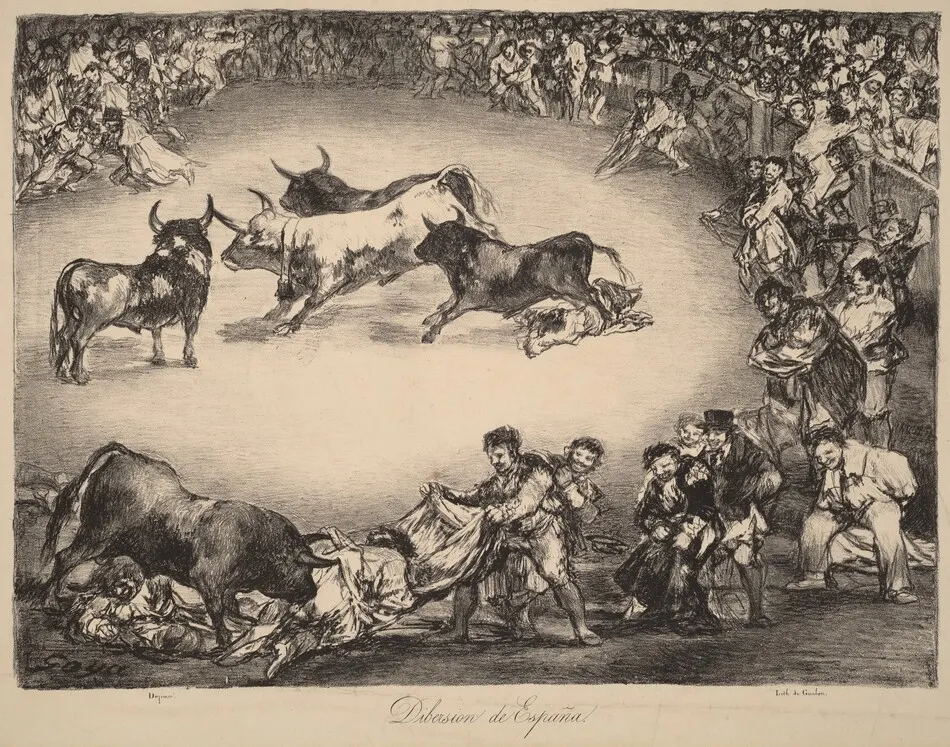
Los Toros de Burdeos (1825)
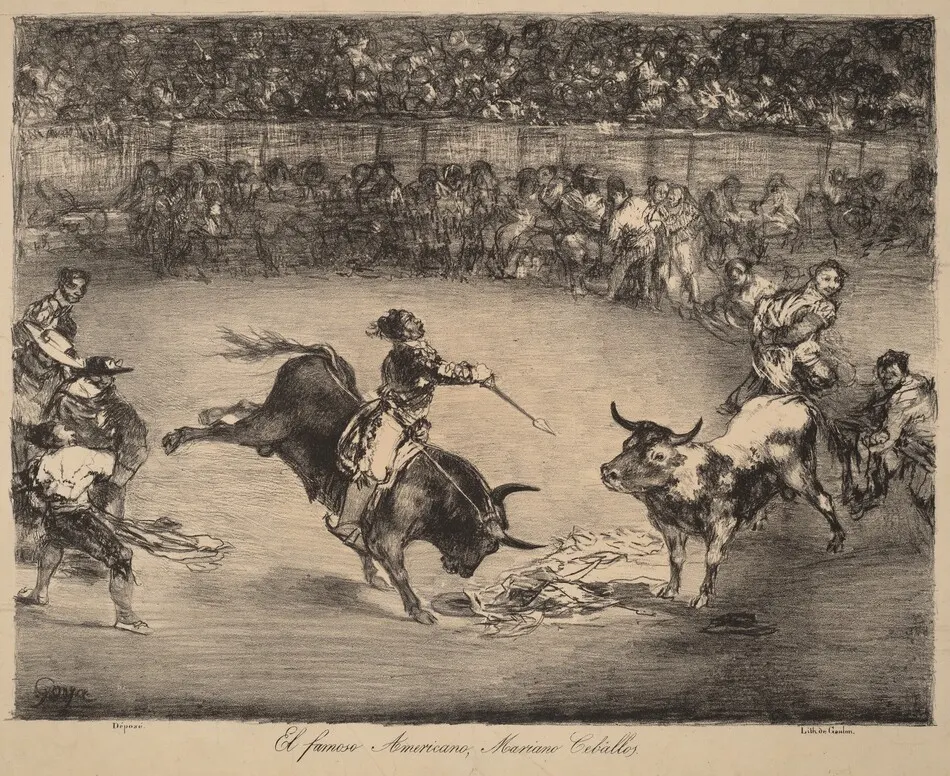
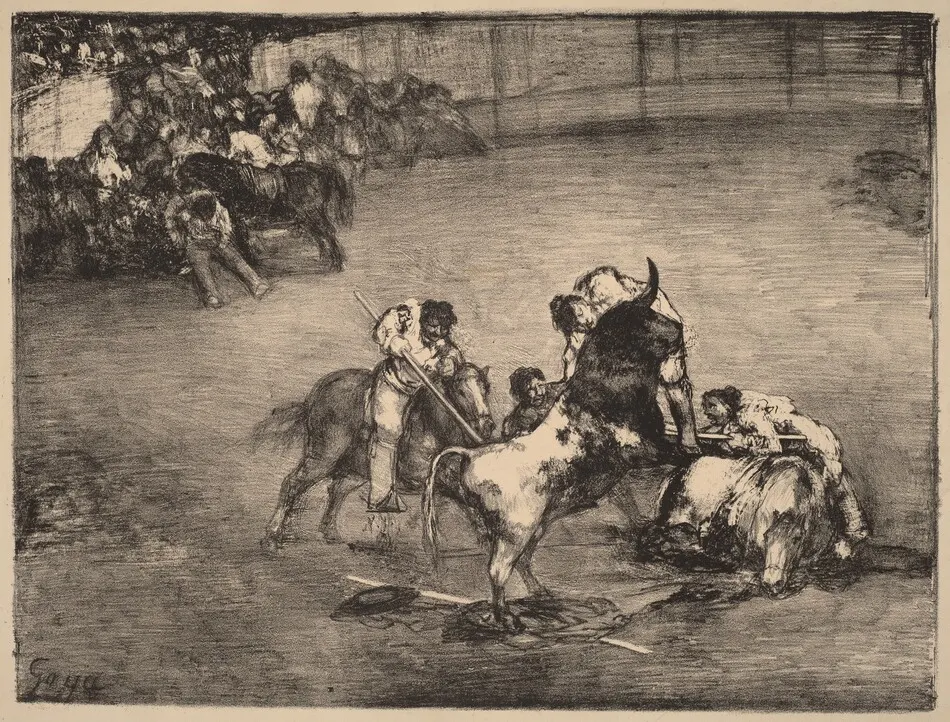
5 worksFour lithographs made in Bordeaux when Goya was almost eighty, deaf, and in self-imposed exile. He is said to have worked on the stones at an easel, drawing with a crayon like a painter rather than a printmaker, and the results are looser and dirtier than anything in the etched series.
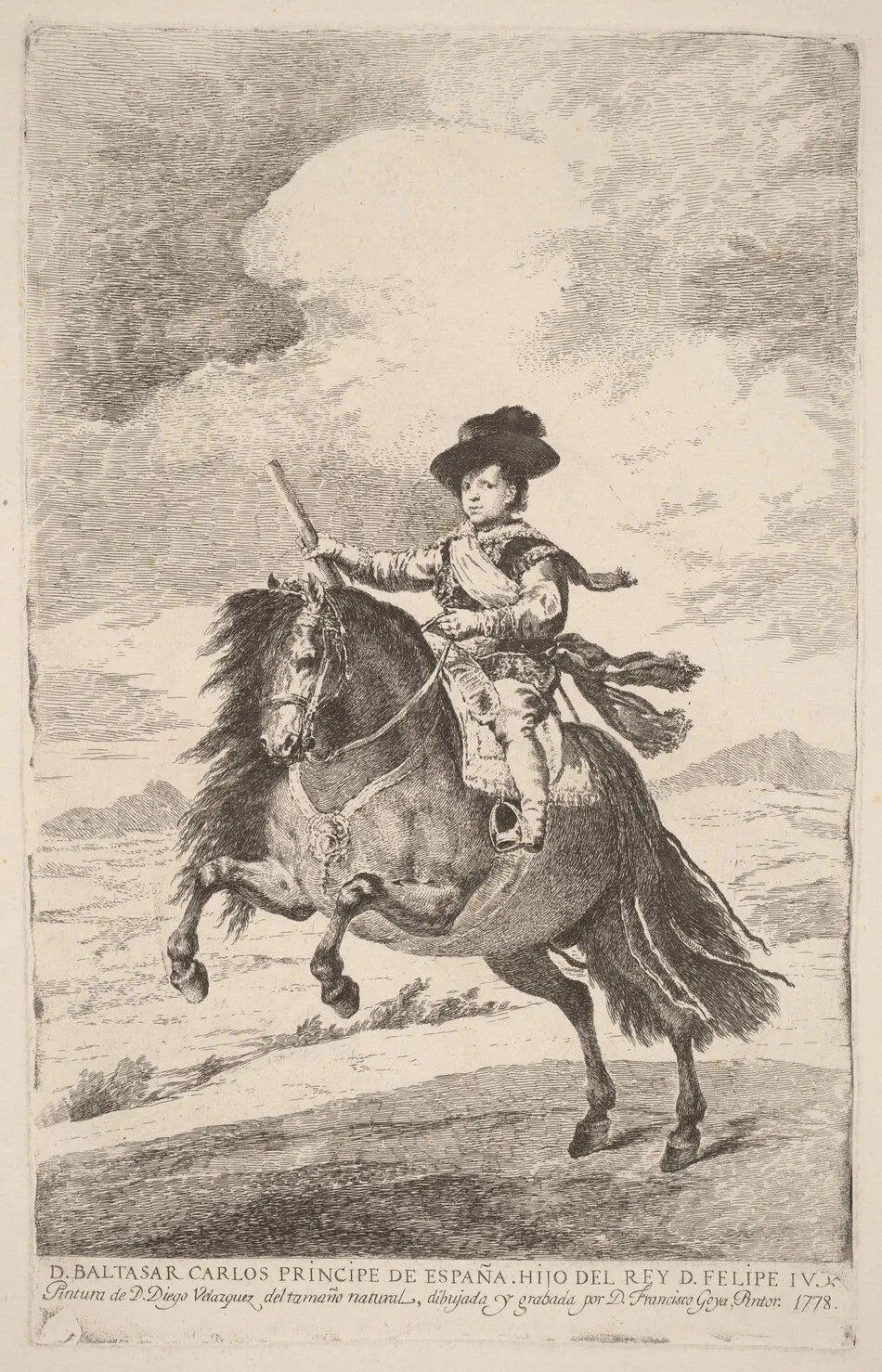
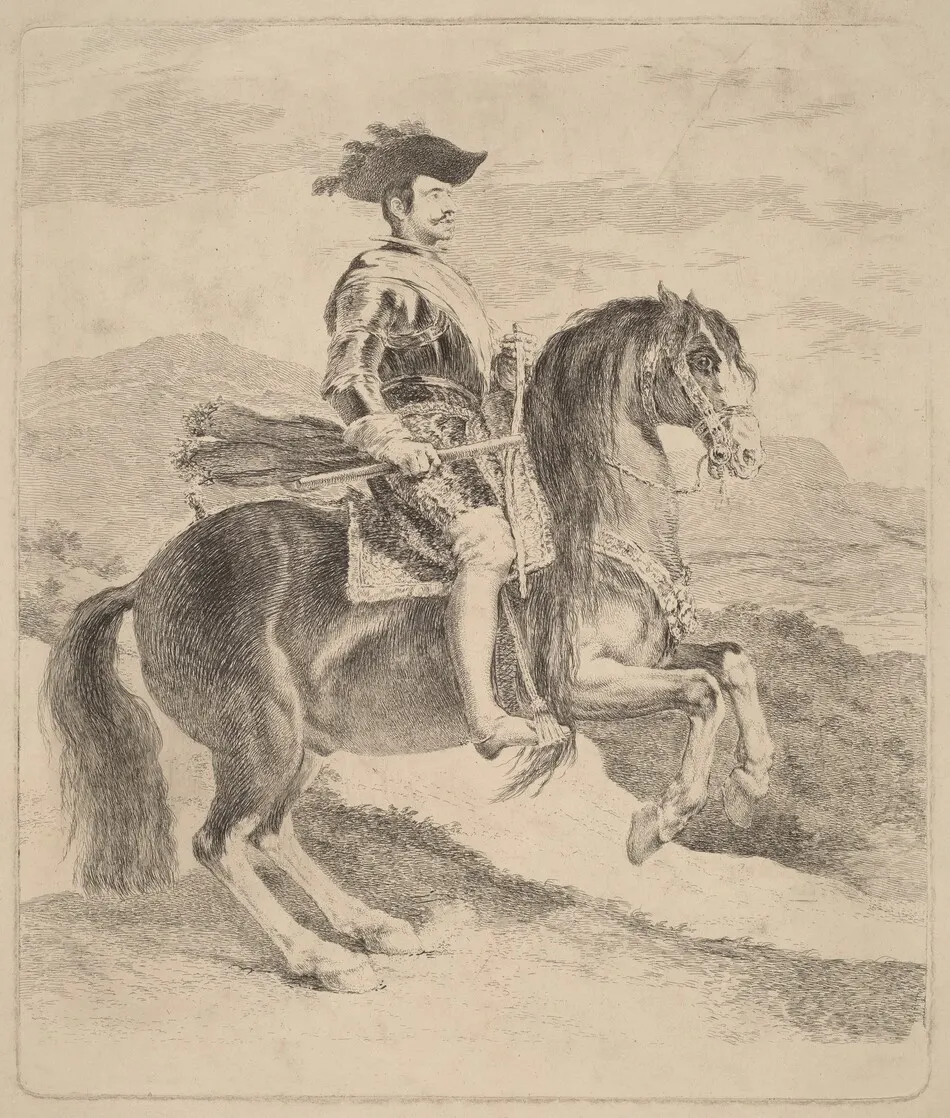
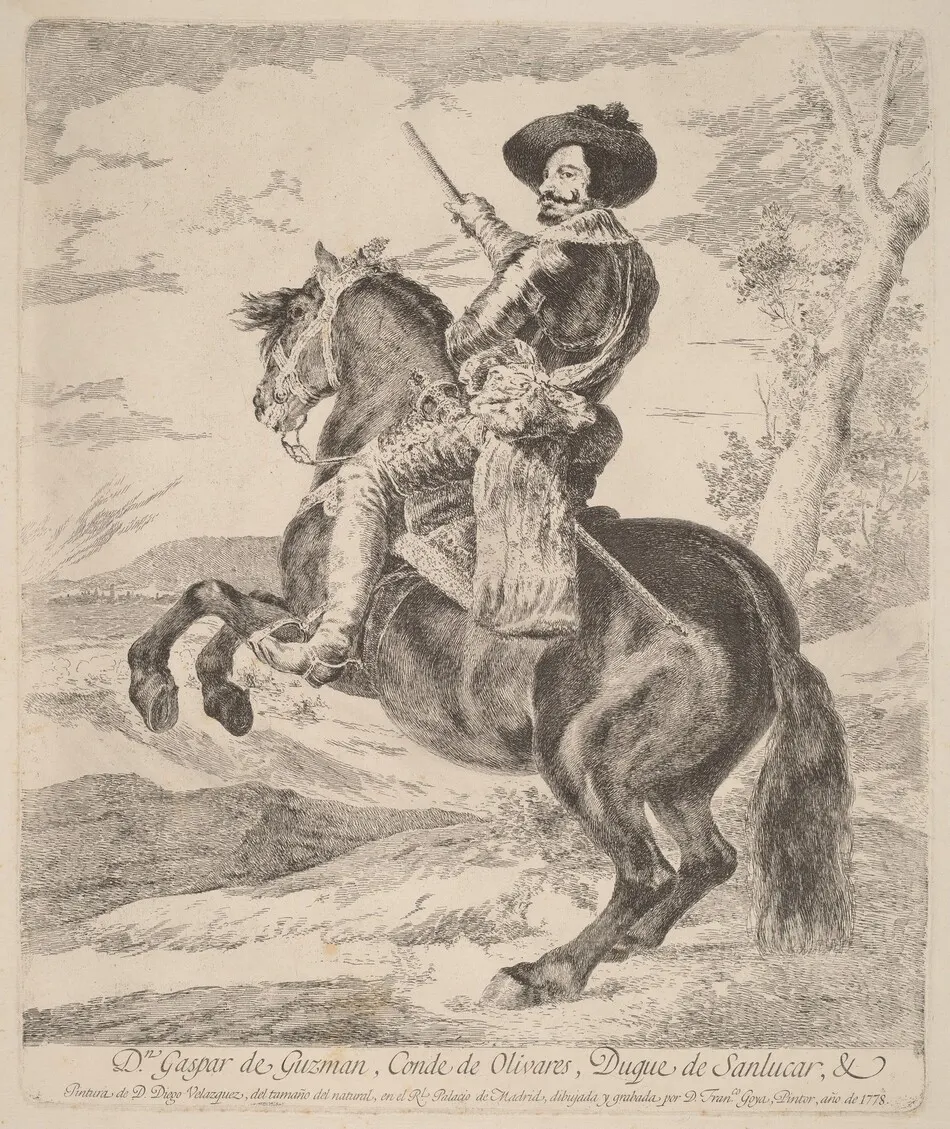
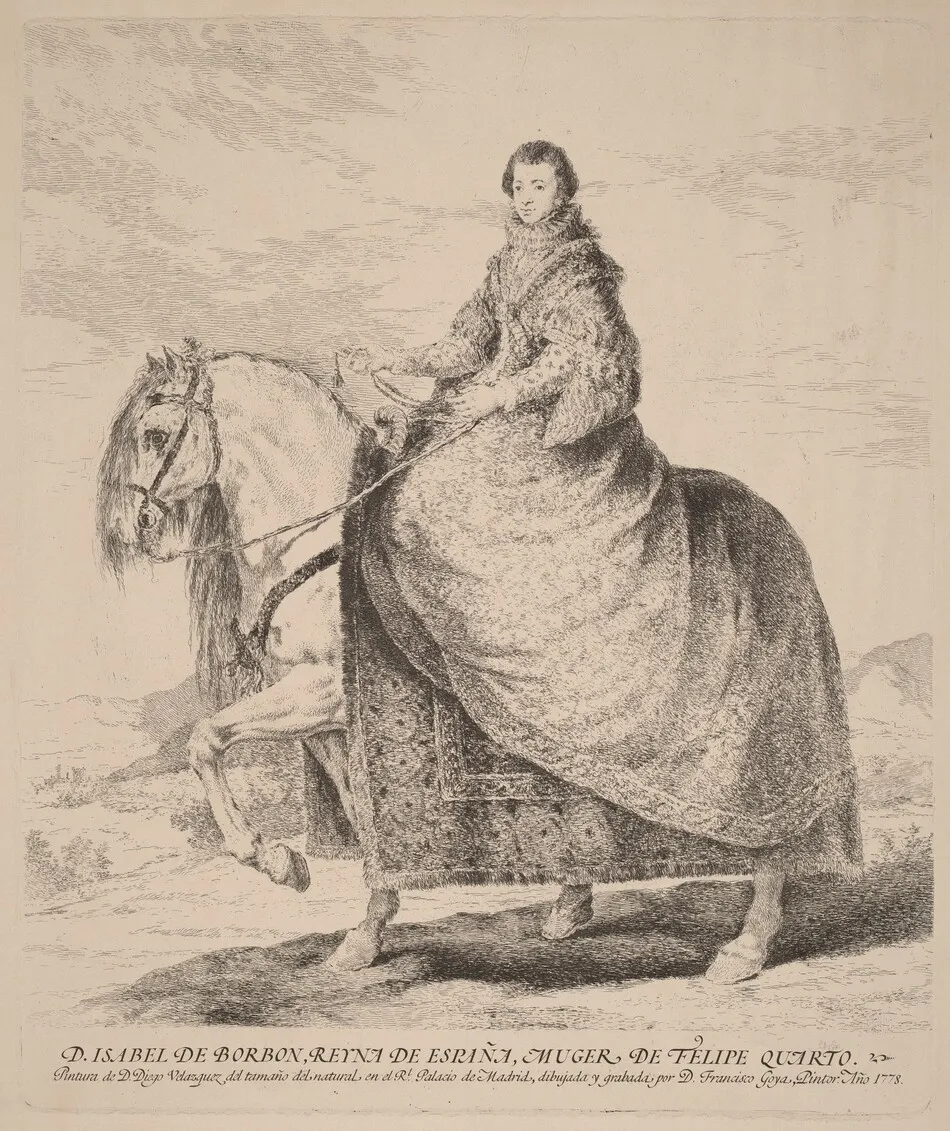
Etchings after Velázquez (1778)
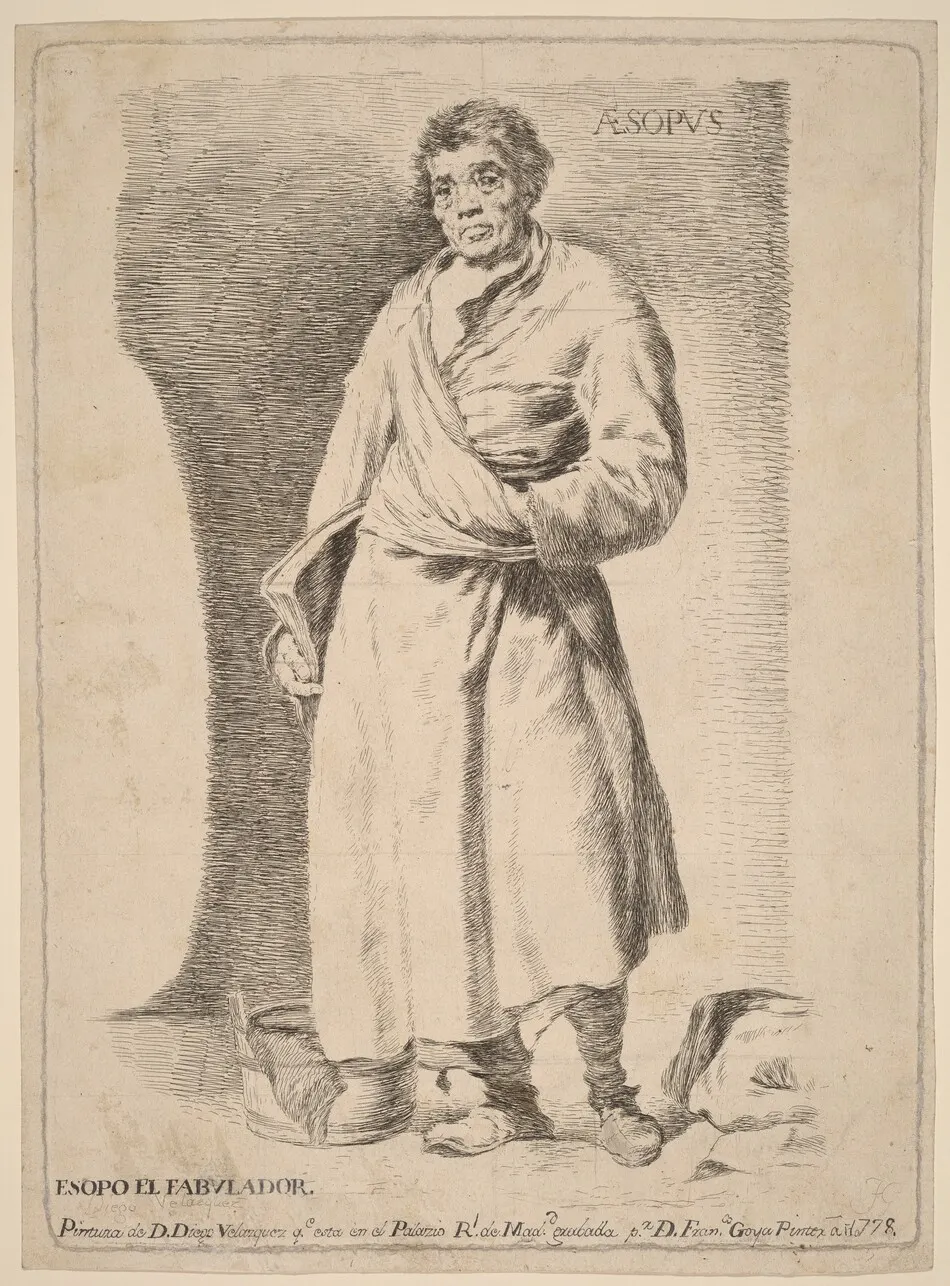
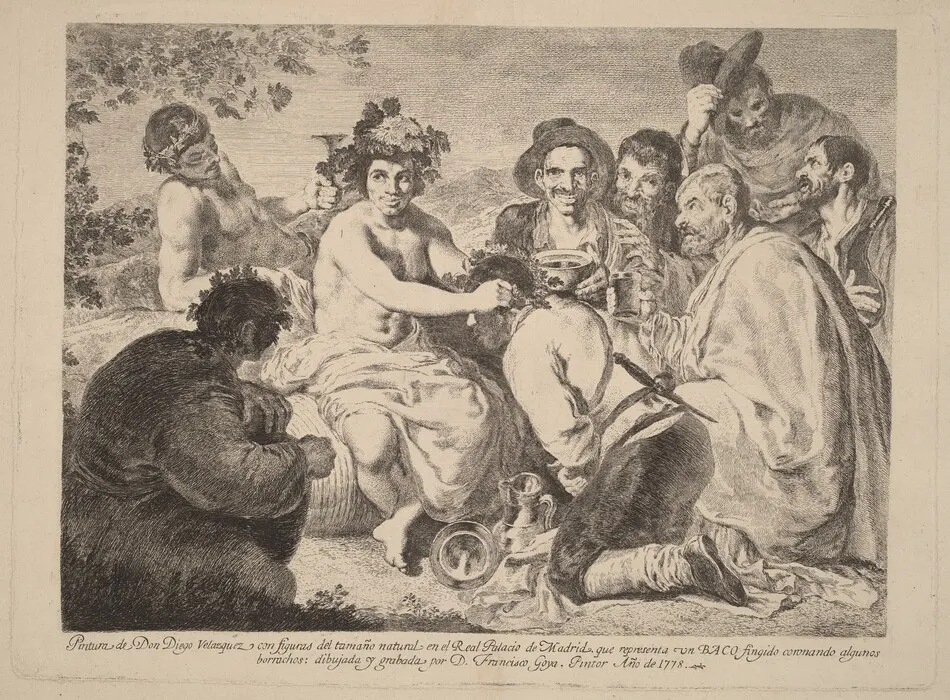
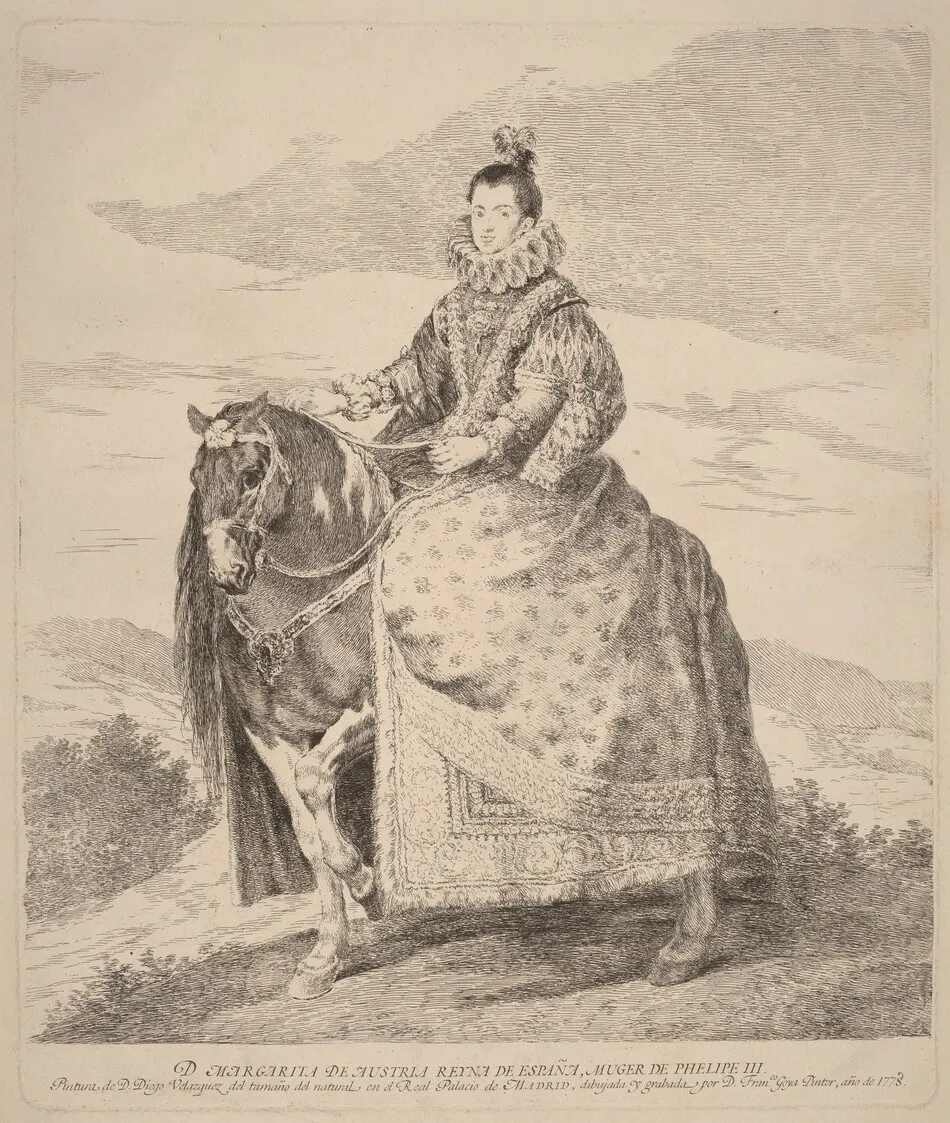
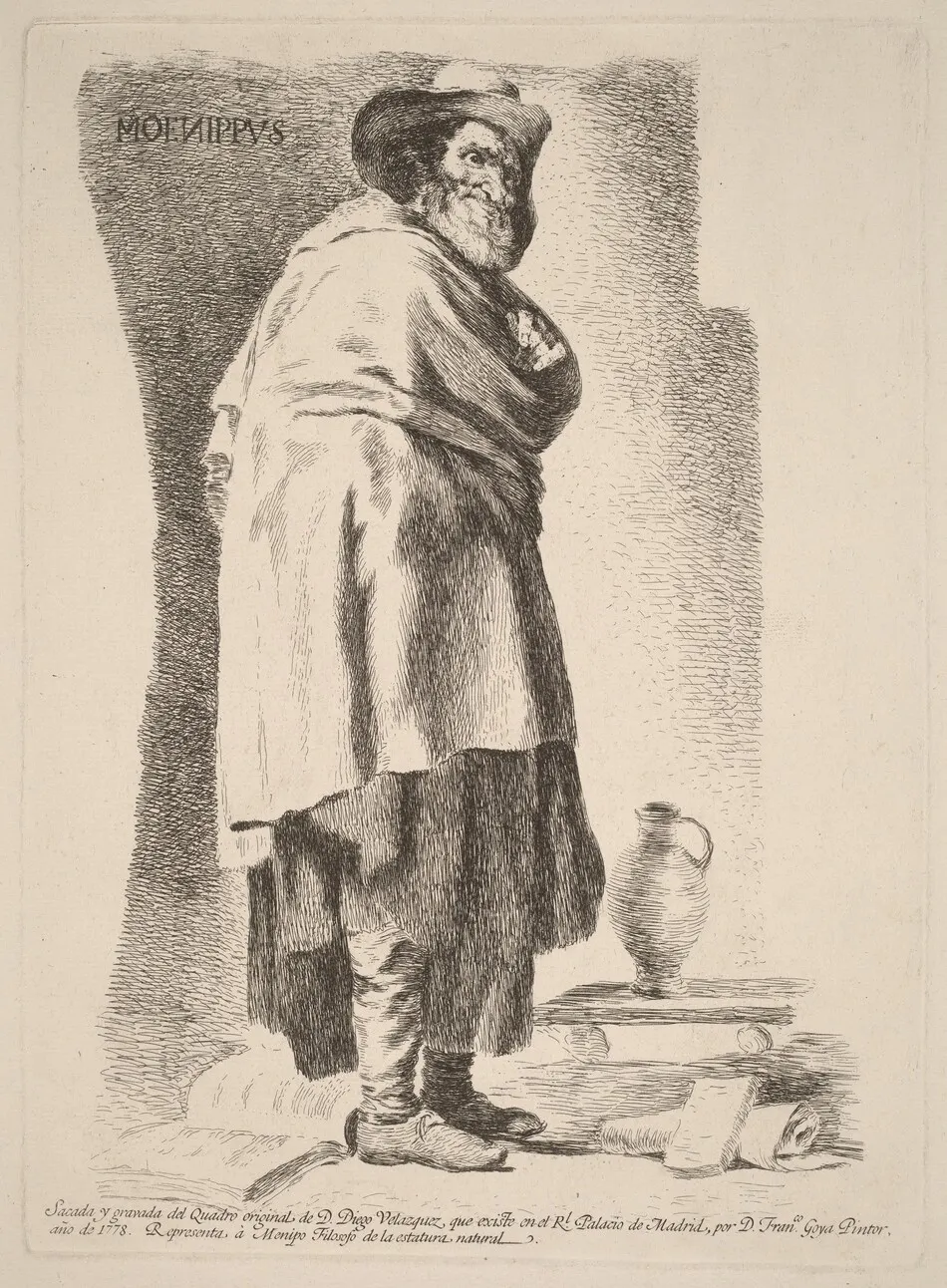
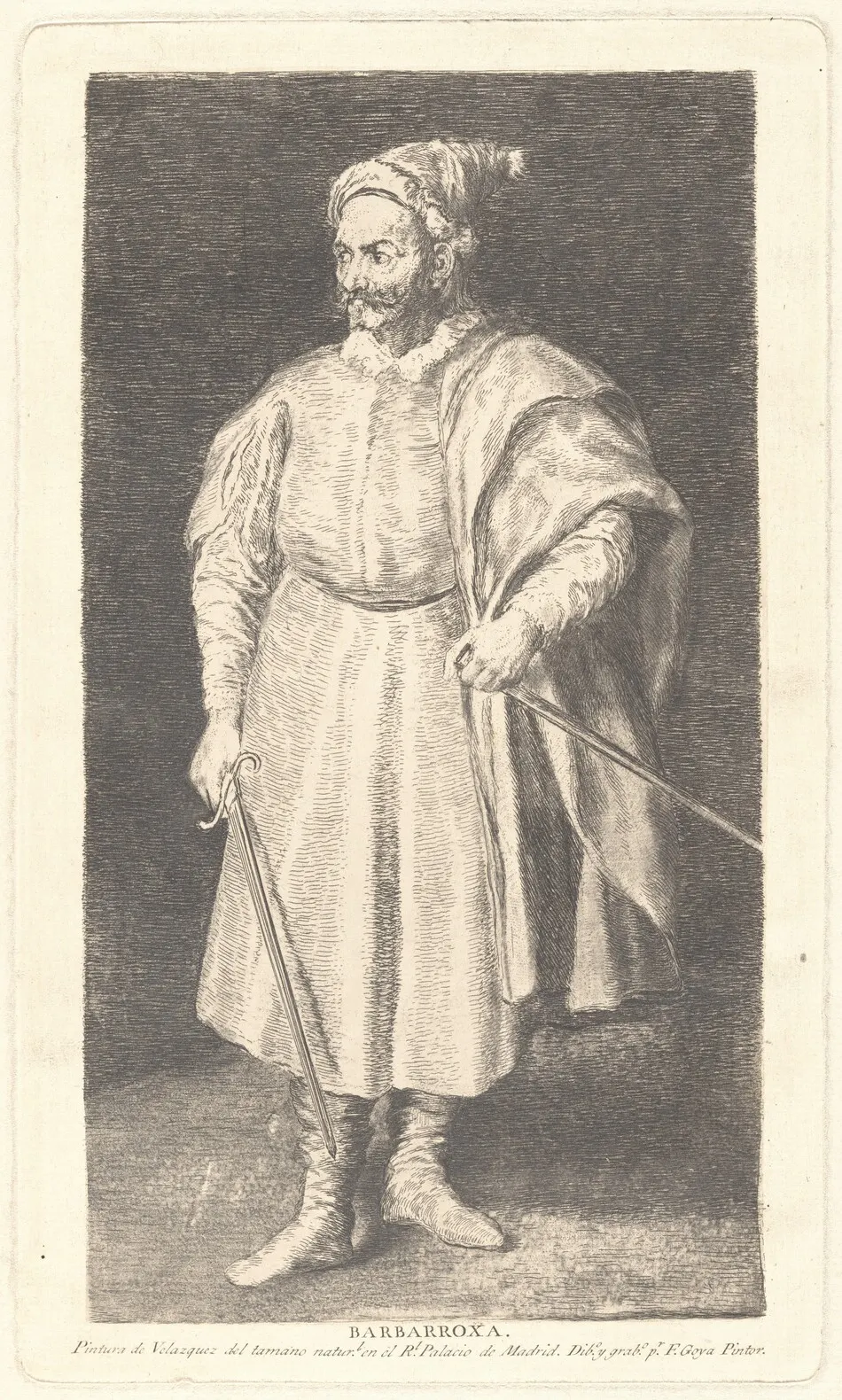
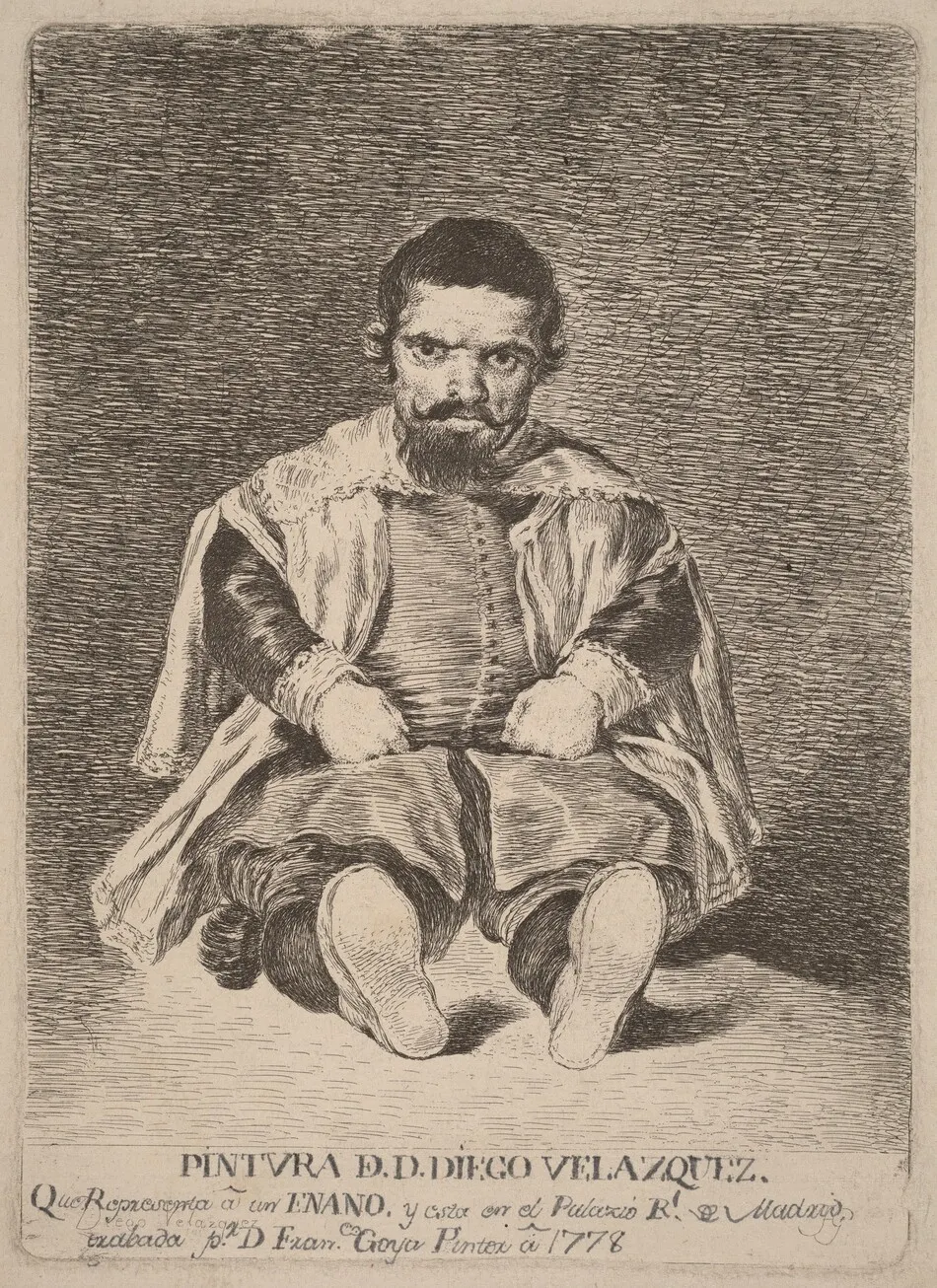
10 worksGoya's apprenticeship in printmaking, made by copying the Velázquez paintings then hanging in the royal collection. They are the least characteristic works here and the most revealing: the technique he spent the 1770s acquiring on someone else's compositions is the one he turned on his own subjects twenty years later.
Paintings and other works
![Brujas à volar (Witches Preparing to Fly) [verso] by Francisco Goya](https://pub-195741b7cda1474594e199ae97fdd720.r2.dev/thumbnails/73851.webp)
![Mascaras crueles (Cruel Masks) [recto] by Francisco Goya](https://pub-195741b7cda1474594e199ae97fdd720.r2.dev/thumbnails/73850.webp)
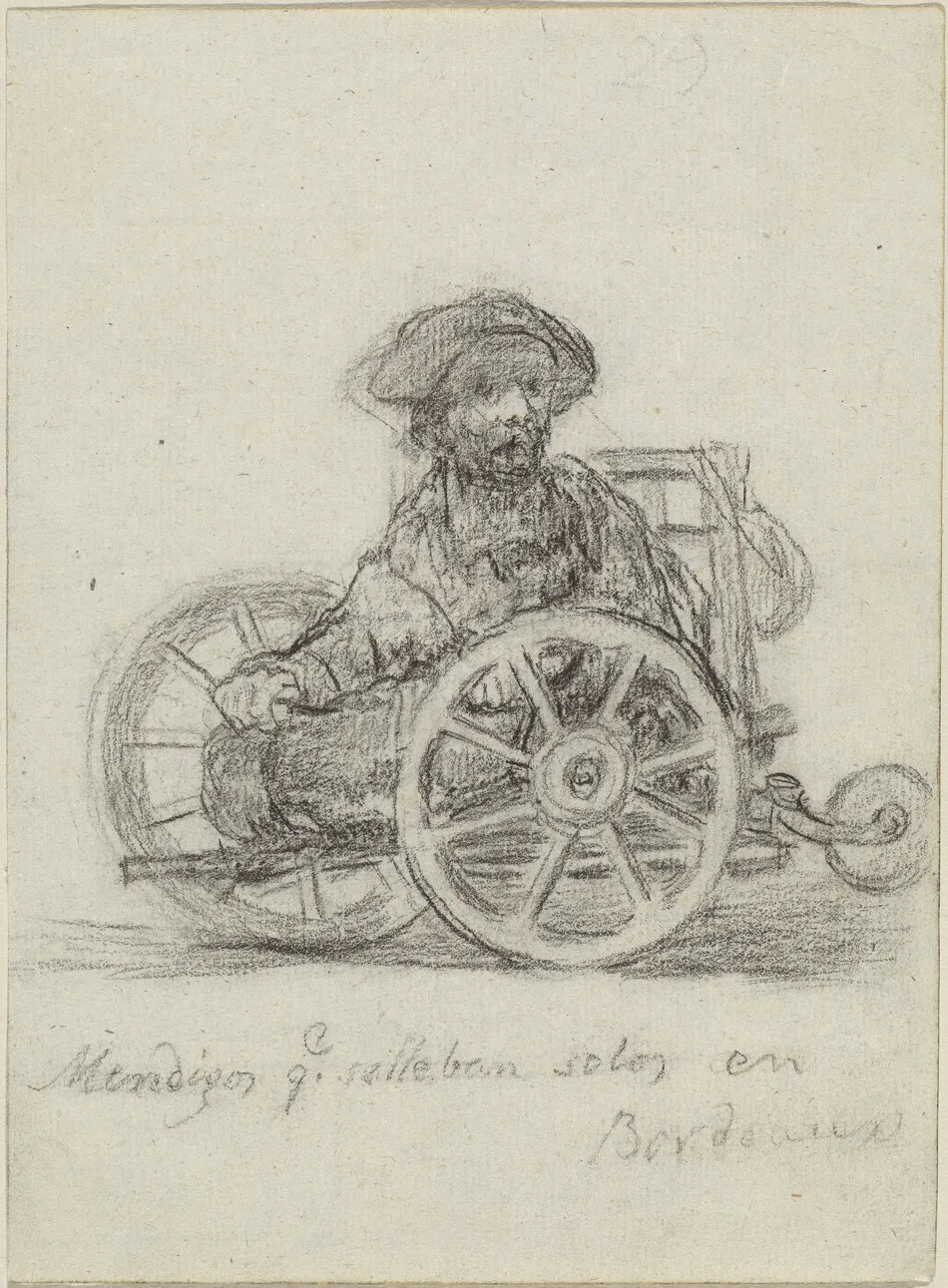
Mendigos que se llevan solos en Bordeaux (Beggars Who Get about on Their Own in Bordeaux)
1824/1827
Collection data via NGA Open Access (CC0)
Find visually similar works