
How to Search Art by Mood, Not Keywords
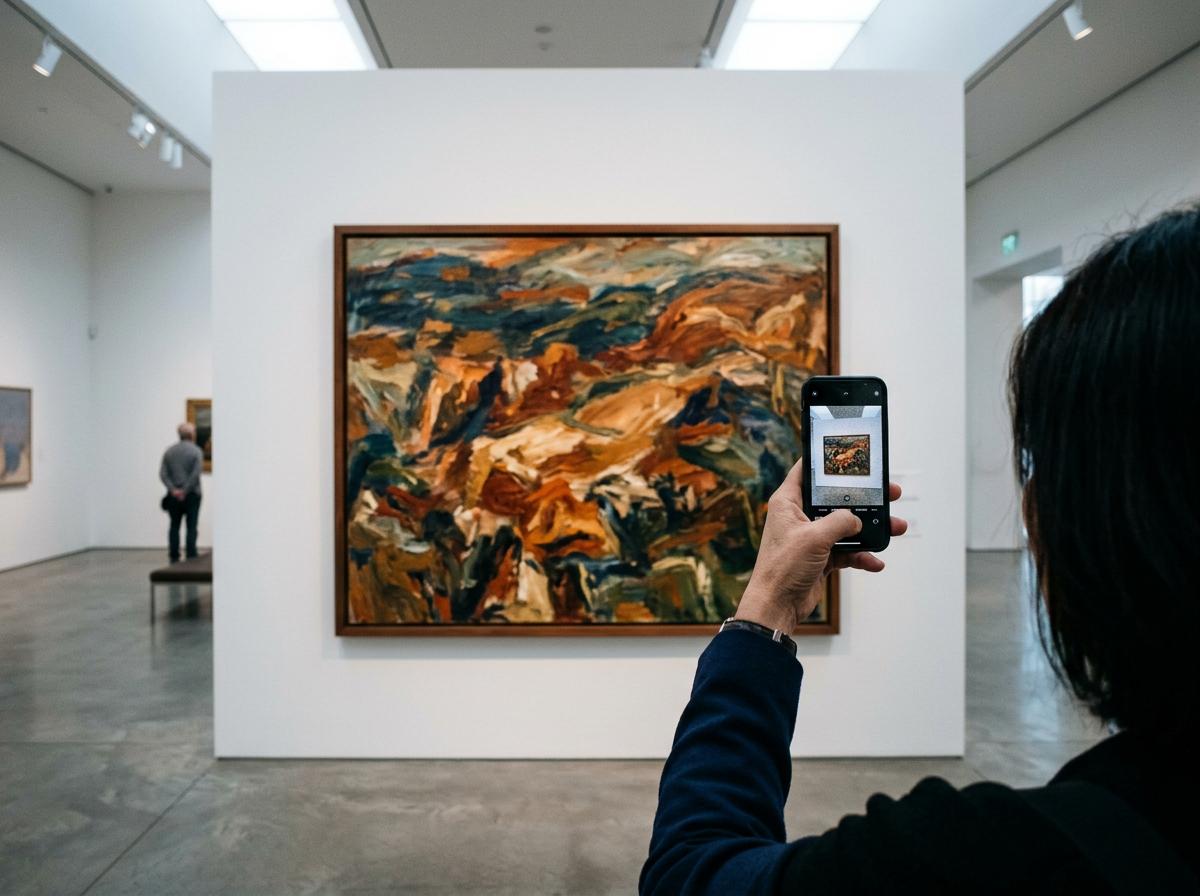
Melancholy, peaceful, eerie, sublime: mood is one of the strongest things people remember about a painting, and one of the hardest things to search for. Here's how to actually search a collection by feeling.
Loading editorial discovery…
No. 01, 2026
Published Journal
Reflections on system architecture, machine-learning data pipelines, and visual discovery in artwork collections.
No saints, no kings, no battles: a woman weighing pearls by a window. The 17th-century Dutch Republic produced the first art market aimed at ordinary buyers, and you can still read that market in what the pictures show.
Melancholy, peaceful, eerie, sublime: mood is one of the strongest things people remember about a painting, and one of the hardest things to search for. Here's how to actually search a collection by feeling.
No wall label, no photo of the caption, just a picture on your phone. Here's a realistic order of tools for identifying a painting from an image, and what to do when a tool only accepts text.
You remember the palette, not the title: a wash of ochre, a single red umbrella, a blue so deep it looked black. Here's how to search art collections by color and light instead of catalog metadata.
FAISS finds the neighborhood fast. The cross-encoder reranker finds the right result within it. Here's why two-stage retrieval produces better search quality than a single nearest-neighbor pass, and how Retrievals implements it.
The NGA holds one of the finest collections of Western art in the world: 68,000 public-domain objects spanning seven centuries. Here's what's in it, what it's best known for, and how to explore it by meaning rather than catalog.
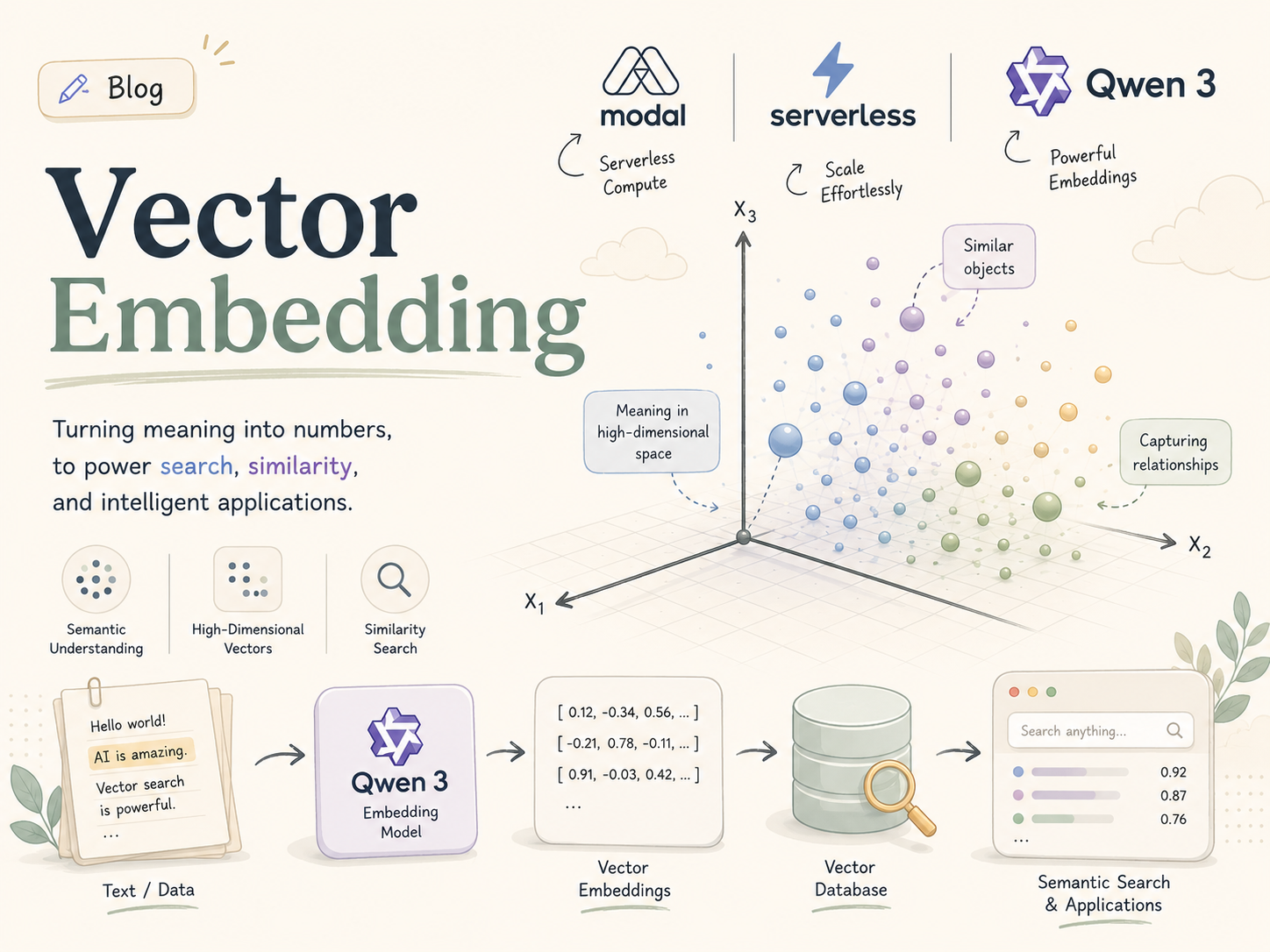
When you search for 'melancholy figure in candlelight,' Retrievals doesn't look for those words in a database. It maps your description into a geometric space where mood has coordinates, and finds the artworks that live nearest to them.
The National Gallery of Art released its entire collection as CC0: no rights reserved, machine-readable, free to use for any purpose. Here's what's actually in it, what makes it unusual, and why it's the right dataset to build semantic search on.
Museum search requires you to already know what you're looking for. Semantic search inverts that. You describe a memory, a mood, a visual impression, and the collection finds you.
How Retrievals turns the National Gallery of Art image collection into a searchable embedding index using Modal L40S GPUs, Qwen3-VL-Embedding-2B, and FAISS vector search.